

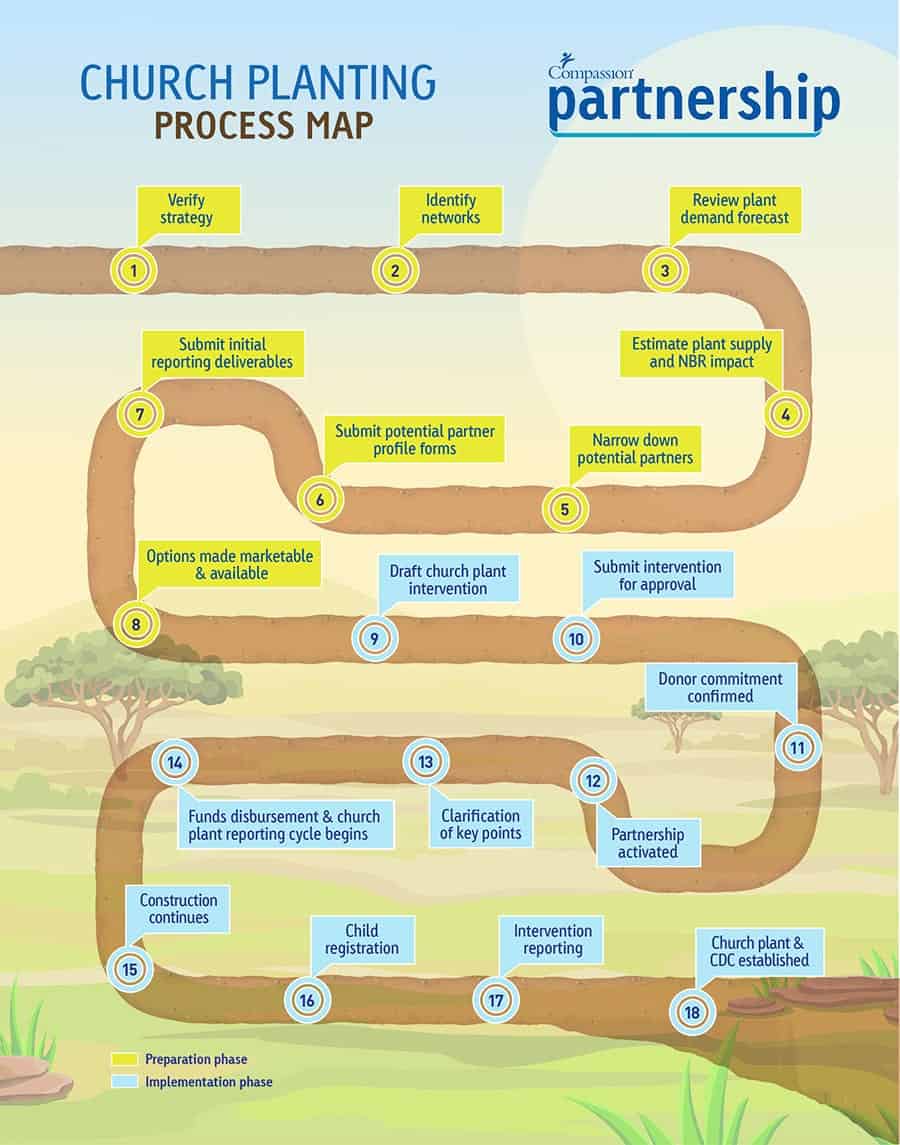
When a fresh expression of faith emerges in a community, the journey can feel both exhilarating and solitary. Yet, the most vibrant church plants are often those that do not attempt to carve out a niche in isolation, but instead weave themselves into a broader tapestry of sister congregations. Partnering with other churches for planting does not merely bring additional hands to the work—it ignites a shared sanctification, multiplies resources, and births a resilient network of witness. Below is a comprehensive guide that unpacks the essential steps, strategic considerations, and relational dynamics that make such collaboration thrive.
Discerning the Right Alliance
Before any formal handshake, prayerful discernment sets the tone. Identify churches whose theological ethos aligns with your core convictions, yet whose apostolic posture offers complementary strengths. Look beyond denominational labels; focus on shared values such as missional zeal, commitment to disciple-making, and openness to fresh expressions of worship. Conduct informal “vision weekends,” inviting leaders from potential partners to experience the local context, hear testimonies, and gauge mutual resonance. This season of exploration is not a mere checklist—it is an invitation to sense the Holy Spirit’s leading, ensuring that the partnership is rooted in authenticity rather than convenience.
Crafting a Joint Mission Statement
A succinct, unified mission statement serves as the north star for the partnership. It should articulate the shared purpose (“to establish a disciples-making community in the Riverside district”), the desired outcomes (“seeing 200 individuals baptized within three years”), and the core values that will guide decision‑making (“hospitality, radical generosity, and contextual fidelity”). Involve representatives from each congregation in a collaborative drafting process, allowing diverse voices to shape the language. When the statement is finalized, embed it in church bulletins, website headers, and leadership retreat materials, ensuring it remains a living reference point for all participants.
Establishing Clear Roles and Responsibilities
Ambiguity can erode trust faster than doctrinal disagreement. Define clear roles for each partner: who will provide senior leadership, who will supply administrative support, who will manage finances, and who will lead outreach initiatives. Use a RACI matrix—Responsible, Accountable, Consulted, Informed—to map out decision‑making pathways. For instance, the sending church might retain accountability for theological training, while the receiving church leads community engagement. Document these assignments in a partnership charter, and revisit the charter quarterly to adjust for growth, attrition, or shifting priorities.
Pooling Resources and Expertise
Collaboration unlocks a treasure trove of assets that no single congregation could muster alone. Financial contributions, whether in the form of seed funding, building use, or operational subsidies, provide the scaffolding for early-stage ministries. Beyond dollars, consider the gift of human capital: experienced pastors can mentor emerging leaders, worship teams can rotate through services, and administrative staff can share bookkeeping duties. Spiritual resources—such as joint prayer chains, fasting retreats, and shared small‑group curricula—strengthen the communal ethos. By systematically cataloguing each partner’s assets and needs, you create a dynamic exchange that maximizes impact while minimizing duplication.
Nurturing a Culture of Mutual Accountability
Accountability is the lifeblood of a sustainable partnership. Establish regular check‑in points—monthly video calls, quarterly in‑person gatherings, and annual retreats—to review progress toward the joint mission. Use transparent metrics (e.g., attendance growth, conversion numbers, community service hours) to gauge effectiveness, but balance quantitative indicators with qualitative anecdotes that capture transformation stories. Encourage an atmosphere where feedback is offered with grace, and where challenges are addressed proactively rather than defensively. When a partner encounters difficulties, rally the network for prayer, counsel, or resourcing, reinforcing that no congregation stands alone.
Celebrating Milestones and Navigating Challenges
Every victory—whether a new conversion, the dedication of a worship space, or the launch of a youth program—deserves public acknowledgment. Coordinate joint celebrations that include testimonies from both sending and receiving churches, highlighting the synergy that made the accomplishment possible. Conversely, when friction arises—be it misaligned expectations, cultural misunderstandings, or resource constraints—approach it with a posture of humility. Invoke a “conflict resolution protocol” that includes prayerful mediation, facilitated dialogue, and, if necessary, the involvement of a neutral elder board. By treating setbacks as opportunities for refinement, the partnership matures into a resilient, mission‑focused organism.
Sustaining the Partnership for Long‑Term Impact
The ultimate aim is not a fleeting collaboration but a enduring covenant that outlives the initial planting phase. Develop a succession plan that identifies emerging leaders within the new congregation who can eventually assume full stewardship, ensuring that the partnership’s legacy persists without perpetual dependence on external support. Invest in ongoing training modules that equip the plant to become a sending community itself, thereby proliferating the network of collaborative ministry. Periodically revisit the partnership charter, the mission statement, and the accountability structures to adapt to evolving contexts, ensuring that the alliance remains vibrant, relevant, and mission‑driven.

