

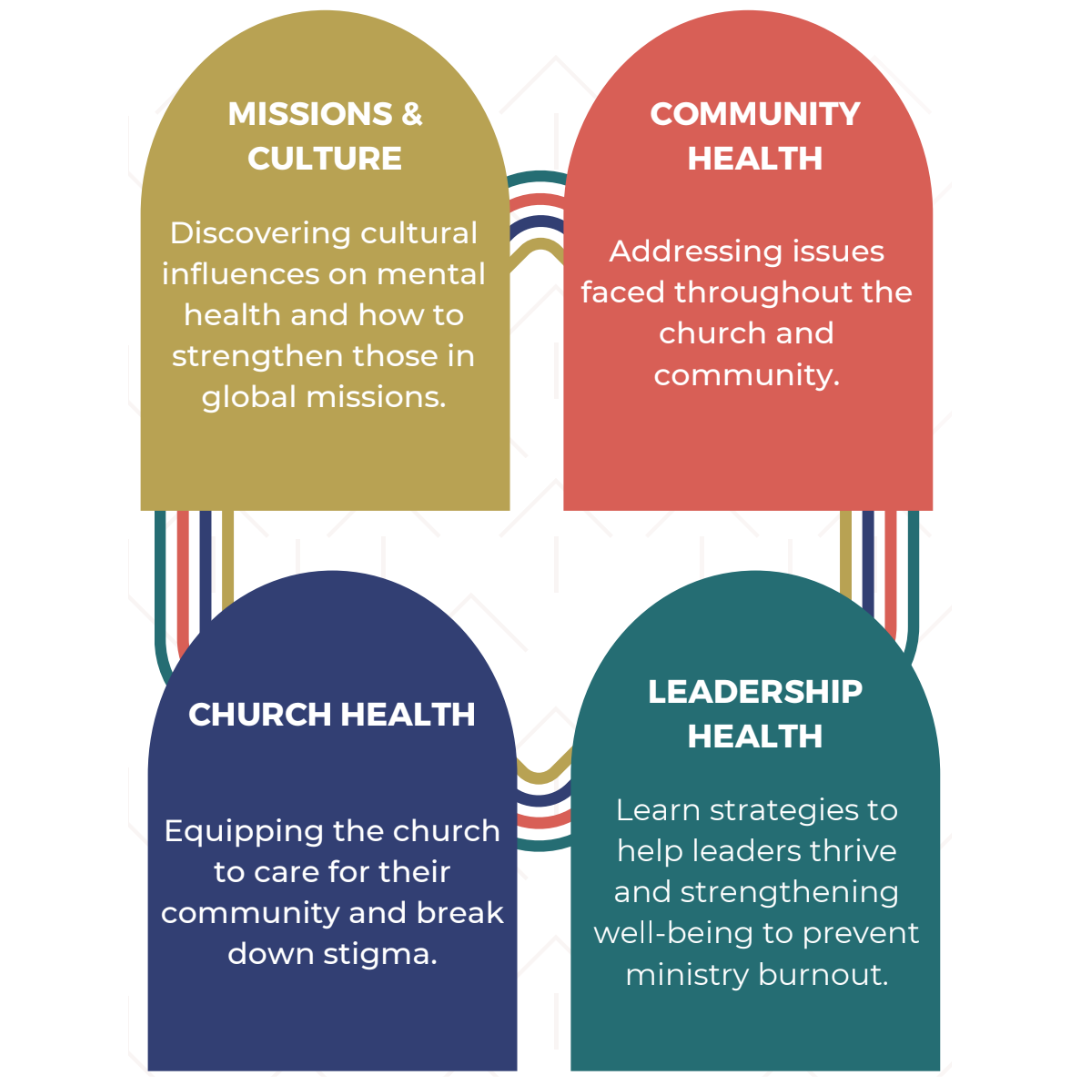
In an era where the weight of the world feels heavier than ever, the intersection of faith and mental wellness has become a sanctuary for countless souls seeking solace. The modern church is no longer just a place of spiritual nourishment; it has evolved into a beacon of holistic care, where the mind, body, and spirit are tended to with equal reverence. Trends in mental health support within faith communities are not merely trends—they are lifelines, bridging the sacred and the scientific to foster healing in ways that resonate deeply with believers and seekers alike.
The Rise of Mental Health Ministries: A Sacred Shift
The church’s embrace of mental health is not a fleeting trend but a profound transformation, one that challenges centuries-old stigmas and replaces them with compassionate understanding. Mental health ministries are sprouting in congregations of all sizes, from bustling urban churches to quiet rural chapels, each recognizing that emotional well-being is not separate from spiritual vitality but intricately woven into it. These ministries often take the form of support groups, where individuals share their struggles in safe, judgment-free spaces, or counseling services that integrate faith-based principles with evidence-based therapy. The shift is palpable: pastors are no longer just shepherds of souls but also guardians of mental wellness, equipped with resources to guide their flocks through the darkest valleys of anxiety, depression, and trauma.
What makes these ministries particularly powerful is their ability to destigmatize mental health challenges within the church. By openly addressing topics like burnout, grief, and emotional exhaustion from the pulpit, leaders are dismantling the myth that faith alone should suffice in times of distress. Instead, they are fostering a culture where seeking help is not a sign of weakness but an act of courage—and one that aligns with the biblical call to “bear one another’s burdens.” This sacred shift is not just about adding another program to the church calendar; it’s about redefining what it means to be a community of healing.
Integrating Therapy and Theology: A Harmonious Approach
The fusion of therapy and theology is perhaps one of the most transformative trends in church-led mental health care. Clergy and mental health professionals are increasingly collaborating to create hybrid models of support, where spiritual wisdom and psychological expertise coexist in harmony. This approach recognizes that healing is multifaceted—it requires both the balm of Scripture and the tools of modern psychology. Churches are hosting workshops led by licensed therapists who specialize in faith-integrated therapy, offering individuals a chance to explore their struggles through the lens of both science and spirituality.
Consider the story of a young woman grappling with crippling anxiety, who finds solace in a church that pairs cognitive-behavioral therapy techniques with prayer and meditation. Or the man who, after years of silent suffering, finally attends a men’s group where vulnerability is not only encouraged but celebrated. These are not isolated anecdotes but testaments to the power of integrated care. The church is no longer a place where mental health is sidelined in favor of quick spiritual fixes; it is becoming a hub where individuals can receive holistic support, tailored to their unique needs. This harmonious approach is not about diluting the gospel but about enriching it with the full spectrum of human experience.
Digital Discipleship: Online Communities for Mental Wellness
The digital age has democratized access to mental health resources, and the church has seized this opportunity with remarkable ingenuity. Online communities, virtual support groups, and faith-based mental health apps are flourishing, offering connection and care to those who might otherwise feel isolated. These platforms provide a lifeline for individuals in remote areas, those with mobility challenges, or anyone who hesitates to seek help in traditional settings. Webinars on topics like “Overcoming Loneliness in a Hyperconnected World” or “Finding Peace in the Storm: A Christian Guide to Anxiety” draw thousands of participants, proving that the church’s reach extends far beyond its physical walls.
What sets these digital spaces apart is their ability to foster intimacy at scale. Unlike impersonal online forums, faith-based digital communities are designed to cultivate deep, meaningful relationships. They offer prayer chains, anonymous confessionals, and live Q&A sessions with mental health professionals—all within a framework that honors the sacredness of each individual’s journey. The rise of these platforms also reflects a broader cultural shift: the recognition that mental health care is not a luxury but a necessity, and that the church has a vital role to play in providing it.
Trauma-Informed Ministry: Healing the Hidden Wounds
Trauma is the silent epidemic of our time, and the church is increasingly stepping into the role of a trauma-informed sanctuary. This approach goes beyond surface-level support; it involves training clergy and lay leaders to recognize the signs of trauma, respond with empathy, and create environments where survivors feel safe to heal. Churches are incorporating trauma-sensitive worship services, where sensory triggers are minimized, and liturgy is designed to foster a sense of safety and control. They are also partnering with organizations that specialize in trauma recovery, offering workshops on topics like “The Church’s Role in Healing from Abuse” or “Navigating Grief After Loss.”
The impact of trauma-informed ministry is profound. For survivors of abuse, domestic violence, or childhood trauma, the church can become a place of restoration rather than re-traumatization. It’s a space where their pain is acknowledged, their stories are heard, and their healing is nurtured. This trend is not just about adding another layer to the church’s mission; it’s about reclaiming the church’s original purpose as a place of refuge for the brokenhearted.
Youth and Mental Health: Equipping the Next Generation
The mental health crisis among young people is one of the most pressing challenges of our time, and the church is rising to meet it with urgency and creativity. Youth ministries are reimagining their approaches, moving beyond traditional Bible studies to incorporate mental health education, peer support networks, and creative outlets like art therapy and music. Churches are hosting “mental health Sundays,” where pastors address topics like social media anxiety, identity struggles, and the pressure to perform, all through the lens of faith. They are also training youth leaders to recognize the signs of distress and intervene with compassion.
Perhaps most importantly, the church is fostering a culture where young people feel seen and valued for who they are, not just for what they achieve. This is a radical departure from the performance-driven narratives that often dominate youth culture. Instead, churches are creating spaces where vulnerability is celebrated, where questions are welcomed, and where mental health is discussed with the same urgency as spiritual growth. The goal is not to shield young people from the realities of life but to equip them with the tools to navigate its challenges with resilience and faith.
The Future of Church-Led Mental Health Care: A Vision of Wholeness
The trends in church and mental health support are not just fleeting movements; they are the seeds of a future where holistic care is the norm, not the exception. The church of tomorrow will be one where mental health is woven into the fabric of its mission, where pastors are trained in psychological first aid, and where communities are designed to foster healing in every sense of the word. This future is not a distant dream but a tangible reality, built on the foundation of compassion, innovation, and unwavering faith.
As we look ahead, the question is not whether the church will continue to evolve in its approach to mental health but how far it will go. Will it become a leader in destigmatizing mental illness? Will it pioneer new models of care that integrate faith and science seamlessly? The answers lie in the hands of those who dare to dream of a church that is not just a place of worship but a sanctuary of healing—a place where every soul, regardless of their struggles, can find rest for their weary hearts.

