

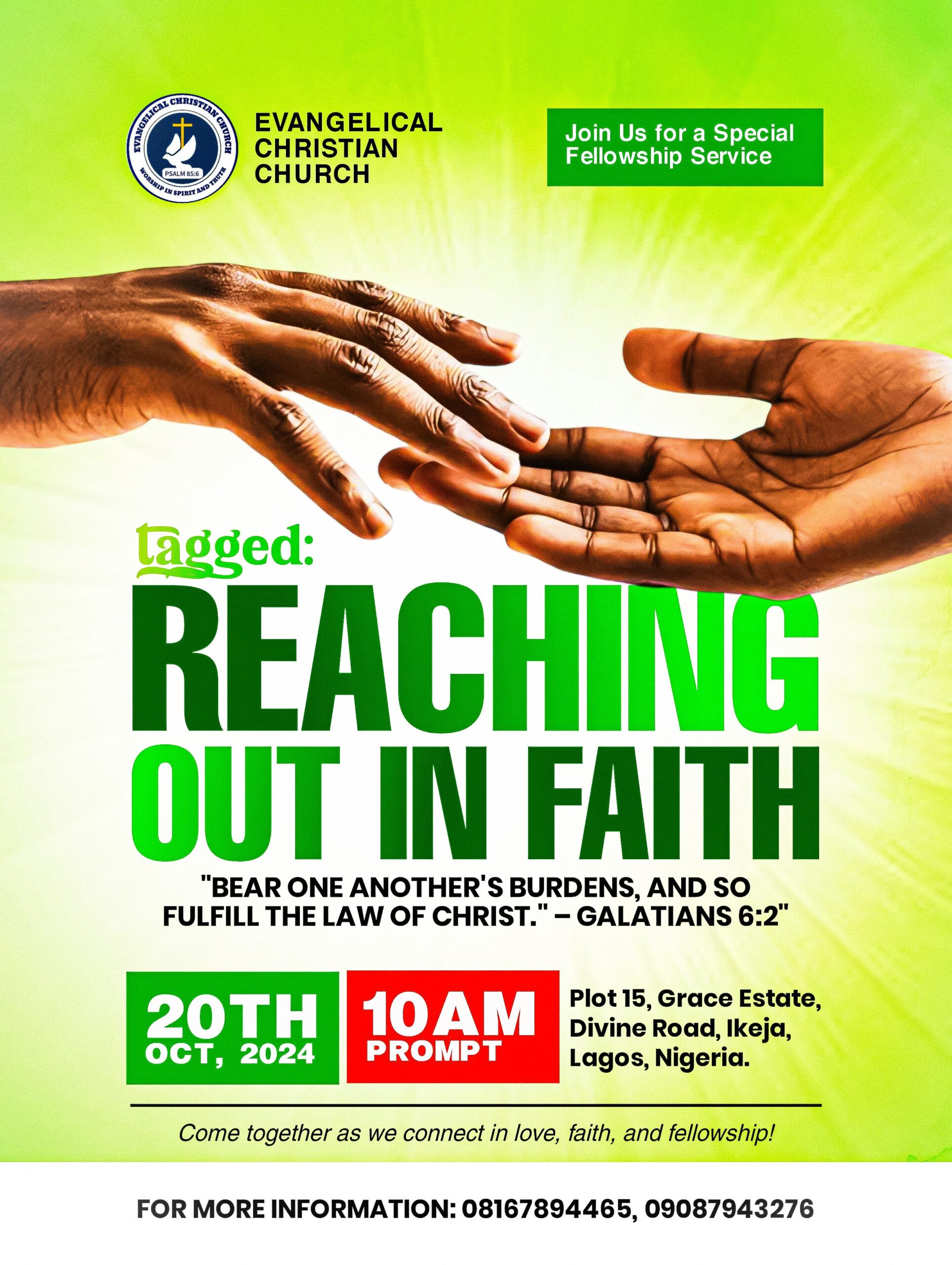
In an era where digital noise drowns out even the most urgent messages, churches and outreach campaigns face a daunting challenge: how to cut through the static and ensure their voices aren’t just heard—but remembered. The solution isn’t just about broadcasting information; it’s about crafting a narrative that resonates, engages, and mobilizes. Communication in these contexts must transcend mere announcements—it must become a bridge between intention and action, between isolation and community. This isn’t just about keeping people informed; it’s about transforming how they engage with faith, purpose, and each other.
The Art of Sacred Storytelling: Why Narrative Outshines Announcements
Consider the last time a sermon or outreach message truly lingered in your mind. Chances are, it wasn’t a bullet-pointed list of events or a dry recitation of dates. It was a story—a moment where theology met emotion, where doctrine became personal. Sacred storytelling isn’t just a tool; it’s the heartbeat of effective communication. When churches frame their outreach campaigns through narrative, they do more than inform; they invite participation. A well-told story doesn’t just relay facts—it evokes empathy, stirs curiosity, and compels action. The parables of Jesus weren’t lectures; they were windows into divine truth, designed to shift perspectives in an instant.
To harness this power, outreach communications must move beyond transactional messaging. Instead of asking, “Who’s coming to our event?” reframe the question: “What story are we inviting people into?” Whether it’s a community service project, a mission trip, or a seasonal gathering, the narrative should answer the unspoken question every attendee carries: “Why does this matter to me?” When people see themselves as characters in a larger story—one that includes their struggles, hopes, and contributions—they’re far more likely to engage.
From Pulpit to Podcast: Diversifying Communication Channels
The days of relying solely on Sunday announcements or printed bulletins are fading. Today’s congregations and outreach audiences are scattered across digital landscapes, each with their preferred medium. A one-size-fits-all approach is a recipe for obscurity. The most effective campaigns leverage a mosaic of channels, each tailored to its audience’s rhythms. Social media isn’t just an add-on; it’s a pulpit for the digital age. Short-form videos can distill complex ideas into digestible moments. Podcasts offer depth for those who crave reflection. Even email newsletters, when crafted with intentionality, can feel like a personal invitation rather than a mass broadcast.
Yet, diversification isn’t just about presence—it’s about presence with purpose. A TikTok clip might tease an upcoming outreach event, but the follow-up must deliver substance. A live-streamed service can reach the homebound, but it should also foster real-time interaction. The key is to design each channel as a thread in a larger tapestry, where every piece reinforces the central message. When churches treat these platforms as complementary rather than competing, they create a symphony of engagement rather than a cacophony of noise.
The Psychology of Curiosity: Designing Campaigns That Intrigue
Human curiosity is a powerful force—one that, when harnessed, can turn passive observers into active participants. The most compelling outreach campaigns don’t just present information; they create intrigue. They pose questions that linger. They offer glimpses of transformation without revealing the full picture. Consider the allure of a mystery novel: the reader is drawn in because they *need* to know what happens next. Outreach campaigns can employ the same principle by teasing future events with cryptic teasers, sharing testimonials that hint at deeper stories, or posing provocative questions that challenge assumptions.
This approach requires a shift from “telling” to “inviting.” Instead of declaring, “Join us for our annual food drive,” try, “What if this year’s food drive could feed 100 more families than last year’s?” The latter doesn’t just state a fact; it plants a seed of possibility. It makes the audience part of the solution before they even arrive. Curiosity thrives in the gaps between what’s known and what’s unknown. When churches design their communications to leave just enough unsaid—just enough to spark a “tell me more”—they transform outreach from obligation to opportunity.
Community as the Ultimate Communication Tool
No amount of polished messaging can replace the raw power of word-of-mouth. When a church’s outreach efforts are truly alive, its members become the most persuasive communicators. The most effective campaigns don’t just broadcast; they empower. They give people stories to share, experiences to recount, and lives to point to. This is where the magic of community intersects with the mechanics of communication. A volunteer’s recounting of a mission trip can move hearts in ways a brochure never could. A small group’s discussion about a service project can inspire others to join far more effectively than a formal invitation.
To cultivate this organic communication, churches must create spaces where stories can flourish. This might mean hosting storytelling nights where volunteers share their experiences, or encouraging members to post about their outreach involvement on social media. It might involve training small group leaders to facilitate discussions that connect personal faith journeys to broader outreach goals. When communication becomes a two-way street—where the pulpit speaks to the pew and the pew echoes back—the result isn’t just informed congregants; it’s a living, breathing movement of shared purpose.
Measuring What Matters: Beyond Attendance to Transformation
Traditional metrics like attendance numbers or event sign-ups only scratch the surface of an outreach campaign’s impact. The real measure of success lies in the stories that emerge: the person who found community for the first time, the family that experienced healing through service, the skeptic whose perspective shifted after engaging with a church’s outreach. These are the metrics that truly matter—but they require a shift in how we define success. Instead of asking, “Did people show up?” ask, “Did lives change?”
This demands a culture of intentional reflection. After each outreach event, gather feedback not just on logistics but on emotional and spiritual responses. Were people moved? Did they feel seen? Did they encounter something they hadn’t expected? These insights aren’t just data points; they’re compasses that guide future efforts. When churches prioritize transformation over turnout, they align their communication with their mission—and in doing so, they create campaigns that resonate far beyond the event itself.
The Ripple Effect: How One Campaign Can Ignite a Movement
The most powerful outreach communications don’t just serve a single event; they plant seeds for future growth. A well-executed campaign can create a ripple effect, where each participant becomes a storyteller, each story becomes a testimony, and each testimony becomes an invitation. This is the alchemy of effective communication: turning isolated efforts into a collective movement. When a church’s outreach becomes a narrative that people want to be part of—rather than a program they’re asked to attend—the boundaries between “us” and “them” begin to dissolve.
This ripple effect starts with clarity. Every campaign should have a clear, compelling call to action that feels like an open door rather than a closed gate. It should answer the unspoken question: “What’s in it for me?”—not in a transactional sense, but in a transformational one. When people see that their involvement isn’t just about filling a seat but about joining a story of hope, healing, and purpose, they don’t just participate; they become ambassadors. And in that moment, the church’s communication transcends information—it becomes invitation.

