

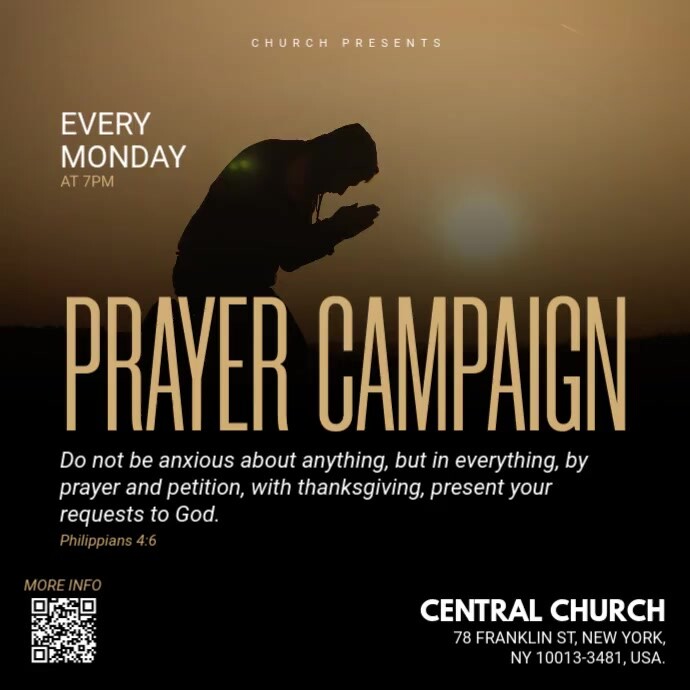
Have you ever stood in the back of a bustling church foyer, watching as congregants shuffle past with bulletins clutched in their hands, only to realize that half of them are still scratching their heads over last week’s sermon series? Communication in a church isn’t just about sending out a weekly email or posting a notice on the bulletin board—it’s about weaving a tapestry of connection, clarity, and spiritual alignment. When a church launches a prayer campaign, the stakes are even higher. How do you ensure that every voice is heard, every heart is stirred, and every detail is crystal clear? The challenge isn’t just in broadcasting information; it’s in making sure it lands with purpose and resonance.
The Art of Clarity: Why Church Communication Often Misses the Mark
Picture this: a well-intentioned pastor stands at the pulpit, passionately outlining the church’s upcoming prayer campaign. The congregation nods in agreement, smiles flicker across faces, and then—silence. The next Sunday, the same questions arise: “When does the campaign start?” “What are we praying for?” “How can I get involved?” The disconnect isn’t due to a lack of effort; it’s a failure in clarity. Church communication often suffers from the “curse of knowledge”—the assumption that everyone already knows what you’re talking about. But here’s the truth: people are bombarded with information daily. If your message doesn’t stand out, it gets lost in the noise.
Consider the power of simplicity. A prayer campaign isn’t just about announcing a date—it’s about painting a vivid picture of why it matters. Will this campaign focus on healing? Restoration? Revival? Spell it out. Use stories. Show, don’t just tell. When people understand the “why” behind the “what,” they’re far more likely to engage. And engagement isn’t just about attendance—it’s about hearts that are truly tuned in.
From Pulpit to Pew: Bridging the Communication Gap
Imagine a church where the pulpit and the pews are separated by a chasm wider than the Grand Canyon. The pastor speaks in theological terms, the congregation responds with polite applause, and the cycle repeats. This isn’t just a metaphor—it’s a reality for many churches. The key to bridging this gap lies in two words: relational communication. It’s not enough to disseminate information; you must cultivate a culture where questions are welcomed, feedback is encouraged, and everyone feels seen.
Start with small groups. These intimate settings are where people feel safe to ask questions and share concerns. Train your small group leaders to be communication conduits—they’re the bridge between the pulpit and the person in the last row. Then, leverage technology. A prayer campaign app or a dedicated WhatsApp group can keep everyone updated in real time. But here’s the catch: technology should enhance, not replace, human connection. A well-timed text message can remind someone to pray, but a handwritten note from a friend can ignite a fire in their soul.
The Power of Repetition: Why People Need to Hear It Again (and Again)
Have you ever tried to learn a new dance move by watching it once? Probably not. You’d watch the instructor, mimic the steps, stumble, laugh, and try again. Communication in a church is no different. Repetition isn’t redundancy—it’s reinforcement. People need to hear the same message in different ways to truly absorb it. This is where a multi-channel approach comes into play.
Use every platform at your disposal: social media, email newsletters, printed bulletins, even the humble church sign out front. But don’t just repeat the same words—vary the format. A video testimonial from someone who’s experienced the power of prayer can stir emotions in ways a bulletin blurb never could. A live Q&A session on Facebook can answer questions in real time. The goal isn’t to bombard people with information; it’s to create multiple touchpoints where the message can take root.
And let’s not forget the power of storytelling. A prayer campaign isn’t just a schedule—it’s a journey. Share stories of answered prayers from past campaigns. Highlight testimonies of transformation. When people see the tangible impact of prayer, they’re far more likely to join in. Repetition, when done with intention, transforms passive listeners into active participants.
Overcoming the “Too Busy” Epidemic: Making Prayer Campaigns Irresistible
Here’s a playful question: If a prayer campaign falls in the middle of a congregation’s busy week, does it make a sound? The modern believer is juggling work, family, hobbies, and a thousand other commitments. How do you cut through the chaos and make prayer a priority? The answer lies in making participation effortless and rewarding.
Start by removing barriers. If your campaign requires people to sign up on a clipboard during service, you’ve already lost half the crowd. Use digital sign-ups, QR codes, or even a simple text-to-join system. Make it as easy as ordering a coffee. Then, add incentives. Not bribes—inspiration. A prayer journal with prompts. A weekly devotional guide. A small group challenge where teams compete to log the most prayer hours. When people feel like they’re part of something bigger, they’re more likely to commit.
But here’s the real game-changer: make it personal. Assign prayer partners. Encourage families to pray together. Create a “prayer chain” where each person commits to praying for one specific need. When prayer becomes a communal experience, it stops feeling like another task on the to-do list and starts feeling like a lifeline.
Measuring Success: It’s Not Just About Attendance
You’ve launched the campaign. Attendance is up. The prayer room is packed. But how do you know if it’s working? The temptation is to measure success by numbers—how many people showed up, how many prayers were logged, how many social media posts were shared. But true success in a prayer campaign is measured by transformation. Are hearts being softened? Are relationships being restored? Is the church growing closer to God?
Gather feedback. Send out surveys. Ask small group leaders for insights. Are people feeling more connected? Are they praying more outside of the campaign? Are they sharing their experiences with others? The answers to these questions will tell you if your communication strategy is hitting the mark. And remember—silence isn’t always a bad thing. Sometimes, the most powerful work of God happens in the quiet moments between the words.
Conclusion: A Call to Communal Prayer
Church and prayer campaigns aren’t just about logistics—they’re about creating a culture where prayer is as natural as breathing. It’s about ensuring that no one feels left in the dark, that every voice is heard, and that every heart is prepared to meet with God. The challenge is real, but so is the opportunity. When communication is clear, intentional, and relational, the impact ripples far beyond the campaign itself.
So, here’s the final question: What if this prayer campaign isn’t just about the next few weeks, but about shaping the spiritual DNA of your church for years to come? The answer lies in how well you communicate—not just the details, but the heart behind them. Will you rise to the challenge?

