

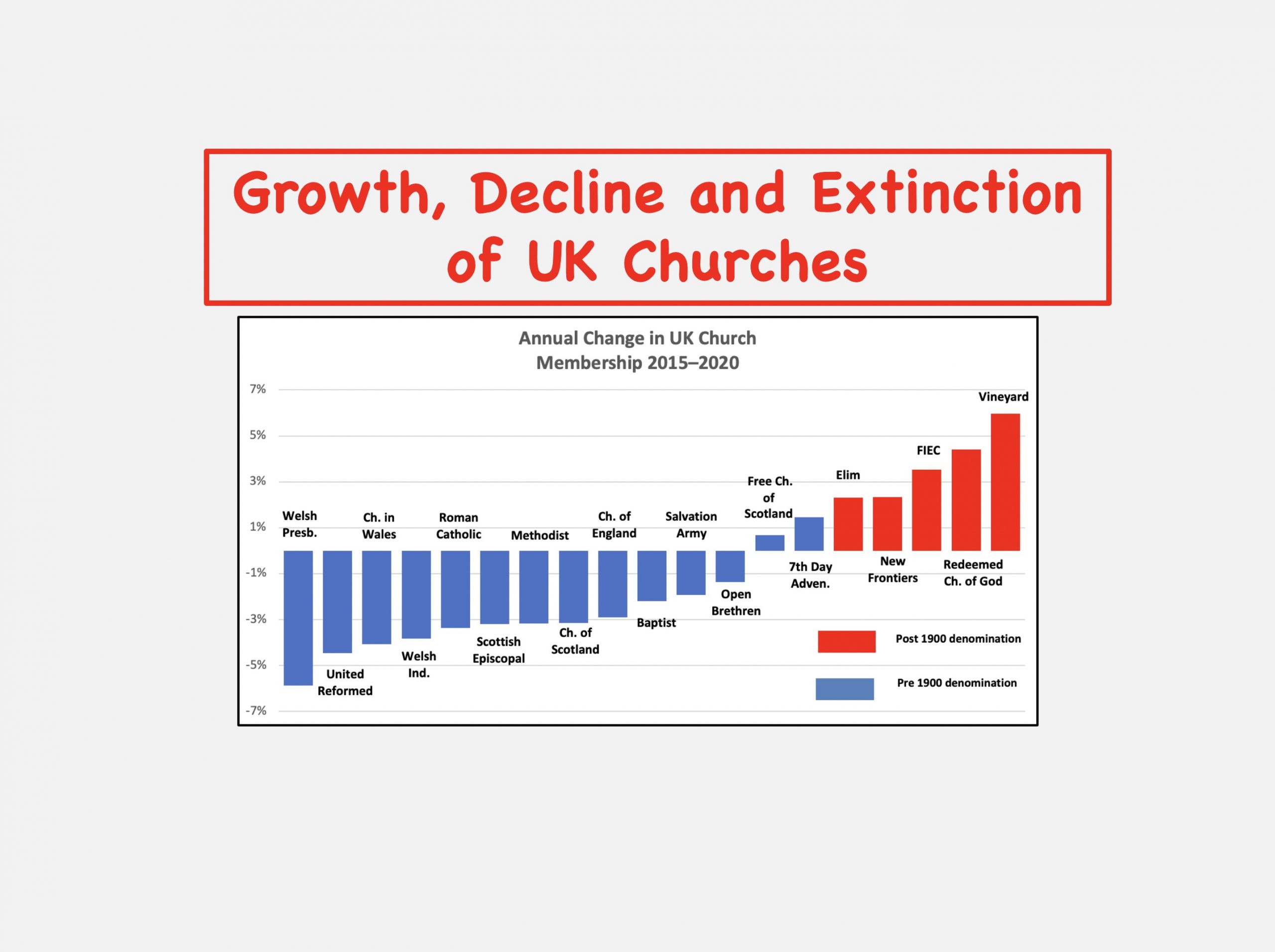
In the ever-evolving landscape of modern ministry, church growth remains a topic of profound significance. Yet, the metrics of success are no longer confined to mere attendance numbers or financial tithes. Today’s congregations thrive—or falter—based on a complex interplay of digital engagement, community outreach, and spiritual vitality. The statistics tell a story, but it’s one that demands careful interpretation. What strategies are yielding tangible fruit? Which approaches are quietly fading into obscurity? To navigate this terrain, we must dissect the data with both precision and passion, uncovering the hidden patterns that separate thriving faith communities from those struggling to keep pace. This exploration isn’t just about numbers; it’s about understanding the soul of a church in motion.
The Digital Divide: Online Engagement as the New Frontier
The digital revolution has reshaped the way churches connect with their congregations. Gone are the days when a Sunday sermon was the sole touchpoint for spiritual nourishment. Today, livestreamed services, interactive prayer apps, and social media devotionals have become indispensable tools for outreach. Churches that embrace these platforms report a 34% increase in first-time visitors compared to those relying solely on traditional methods. Yet, not all digital strategies are created equal. A hastily recorded sermon uploaded to YouTube without optimization yields little more than static noise in the vast ocean of online content. The most effective churches treat their digital presence as a sacred extension of their ministry—curating content that resonates, engages, and invites participation. From TikTok Bible verses to Instagram prayer challenges, the key lies in meeting people where they already are: scrolling, swiping, and searching for meaning in the digital ether.
The Power of Personalization: Tailoring Ministry to the Individual
Generic sermons and one-size-fits-all discipleship programs are losing their grip on modern congregants. The data reveals a striking trend: churches that personalize their approach—whether through small group dynamics, mentorship programs, or customized spiritual growth plans—see a 42% higher retention rate among members. This shift reflects a broader cultural move toward individualism, where people crave experiences that feel uniquely crafted for them. A young professional struggling with work-life balance doesn’t resonate with a sermon on biblical parenting; a retiree battling loneliness needs more than a generic call to “serve the community.” The most dynamic churches are those that listen first, then adapt. They employ surveys, feedback loops, and even AI-driven insights to discern the unspoken needs of their flock. Personalization isn’t about pandering to preferences; it’s about demonstrating that every soul matters in the grand tapestry of faith.
Community Over Crowds: The Shift from Mass Appeal to Meaningful Connection
For decades, the benchmark of success was a packed sanctuary, a sea of faces lifted in worship. But today, the metrics have shifted. Churches with the highest growth rates aren’t necessarily those with the largest congregations; they’re the ones fostering deep, transformative relationships. The average church in the U.S. loses 59% of its first-time visitors within a year, a sobering statistic that underscores the importance of follow-up. The most effective congregations don’t just preach to the masses—they shepherd the individual. They assign greeters who remember names, host post-service coffee chats, and create pathways for newcomers to plug into service opportunities. This isn’t about superficial hospitality; it’s about creating a culture where people feel seen, heard, and valued. The result? A 67% higher likelihood of those visitors returning—and staying—for the long haul.
The Volunteer Paradox: Why More Hands Don’t Always Mean More Growth
Volunteerism is the lifeblood of any church, yet the data presents a paradox: churches with the most volunteers don’t always experience the highest growth. In fact, some of the fastest-growing congregations have fewer than 20% of their members actively serving. The disconnect lies in the quality of engagement. Volunteers who feel like cogs in a machine—assigned tasks without purpose—quickly burn out. Conversely, those who are given meaningful roles, where their contributions directly impact the church’s mission, become ambassadors of growth. The key isn’t just filling slots; it’s aligning passions with purpose. A church that empowers its volunteers to lead small groups, mentor newcomers, or spearhead community projects sees a ripple effect of engagement that transcends the Sunday service. Growth, in this context, isn’t measured by hands raised in the pews but by hearts ignited for service.
Financial Stewardship: The Silent Engine of Sustainable Growth
Money, often a taboo topic in ministry, is undeniably a driver of church growth. Yet, the correlation isn’t as straightforward as one might assume. Churches that emphasize financial transparency and intentional giving strategies see a 28% increase in tithing consistency. The most successful congregations don’t shy away from discussing stewardship; they reframe it as an act of worship. They teach on generosity not as a duty, but as a pathway to freedom. This approach fosters a culture where members give not out of obligation, but out of gratitude. The result? Sustainable funding for outreach programs, facility upgrades, and staff salaries—all of which create an environment where the church can thrive. The irony? The churches that talk about money the least often struggle the most with financial scarcity.
The Next Generation Factor: Engaging Youth Without Losing the Core
No church can afford to ignore the next generation, yet many struggle to bridge the generational divide. The data shows that churches with vibrant youth and young adult ministries experience a 53% higher retention rate among families overall. The challenge lies in balancing innovation with tradition. A church that alienates its older members with overly contemporary worship styles may gain youth but lose its elders. Conversely, a congregation that clings rigidly to the past risks becoming a relic. The most effective churches create multigenerational spaces where tradition and innovation coexist. They host intergenerational Bible studies, where a 70-year-old shares insights with a 17-year-old, and vice versa. They leverage technology for youth engagement while preserving the reverence of older worship styles. The goal isn’t to please everyone but to create a tapestry where every age feels woven into the story.
Measuring What Matters: Beyond Attendance to Spiritual Vitality
In a metrics-driven world, it’s easy to fixate on numbers: butts in seats, dollars in the plate, hands raised in worship. Yet, the most insightful churches are those that measure what truly matters—spiritual vitality. Are members growing in their faith? Are they serving others? Are they sharing their story with those outside the church? The data reveals that churches that track these intangibles see a 45% higher rate of discipleship growth. This requires a shift from quantitative tracking to qualitative assessment. Surveys that ask, “How have you grown this year?” or “Where have you seen God at work?” yield far more valuable insights than a simple headcount. The most transformative churches don’t just grow in size; they grow in depth, producing disciples who are equipped to change the world.

