

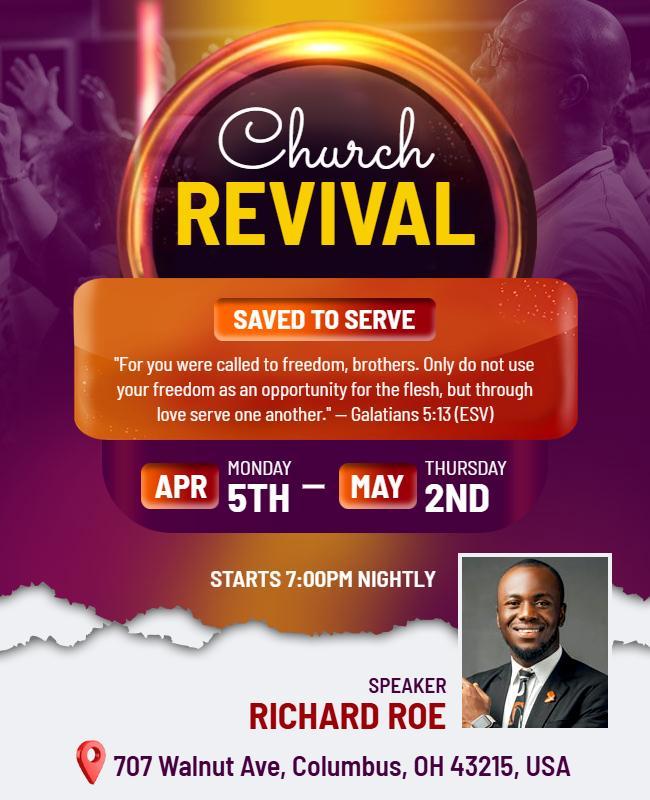
In an era where digital noise drowns out meaningful messages, churches face a unique challenge: how to cut through the clutter and ensure their revival campaigns resonate deeply with congregations and communities alike. The art of communication in such sacred contexts isn’t merely about broadcasting information—it’s about fostering connection, igniting hope, and sustaining momentum in a world hungry for spiritual renewal. Yet, too often, vital announcements fade into obscurity, leaving well-intentioned efforts unfulfilled. The key lies not just in what is said, but in how, when, and why it’s delivered.
The Power of Clarity: Crafting Messages That Resonate
Ambiguity is the enemy of engagement. When a revival campaign’s purpose, schedule, or significance is obscured by vague language or convoluted details, even the most compelling event risks being overlooked. Clarity begins with precision—clearly stating the “what,” “when,” “where,” and “why” in every communication. But it doesn’t end there. The tone must mirror the gravity of the message: reverent yet inviting, urgent yet hopeful. A well-crafted announcement doesn’t just inform; it stirs the soul, prompting listeners to pause and consider their role in the unfolding narrative.
Consider the difference between a generic “Join us for a special event” and a vividly articulated “A season of divine awakening awaits—be part of a transformative revival where hearts are rekindled and lives are restored.” The latter doesn’t just describe an event; it paints a picture, evokes emotion, and invites participation on a deeper level. In an age of fleeting attention spans, brevity is a virtue, but depth is the currency of lasting impact.
Timing and Rhythm: The Unseen Cadence of Effective Communication
Timing isn’t just a logistical detail—it’s a psychological lever. Launching a revival campaign’s communication too early risks diluting its urgency, while waiting too long may leave the congregation unprepared. The rhythm of announcements should mirror the natural ebb and flow of anticipation: tease the vision weeks in advance, build momentum with weekly reminders, and amplify urgency as the date approaches. Each touchpoint should serve a purpose, whether to educate, inspire, or mobilize.
Moreover, the cadence must respect the rhythms of the community itself. A church in a bustling urban center may thrive on digital reminders and social media teasers, while a rural congregation might respond better to word-of-mouth and printed bulletins. The medium shapes the message, and the timing shapes the memory. A well-timed announcement doesn’t just reach ears—it lodges in hearts, becoming a recurring thought that compels action.
Multi-Channel Mastery: Beyond the Pulpit
The pulpit remains a sacred space for proclamation, but the modern revival campaign demands a symphony of voices. Leveraging multiple channels—from email newsletters and text alerts to social media stories and community bulletin boards—ensures the message permeates every corner of the congregation’s life. Yet, each channel has its own language and etiquette. A sermon’s gravitas doesn’t translate seamlessly to a Twitter thread, nor does a Facebook post capture the solemnity of a printed invitation.
Diversification also means adapting the message to the medium. A video teaser might highlight the emotional arc of the revival, while a detailed email could outline logistics and volunteer opportunities. The goal isn’t redundancy but resonance—each channel should complement the others, creating a cohesive narrative that feels both personal and pervasive. In this digital age, silence is not an option; neither is a one-size-fits-all approach.
The Human Element: Stories That Bridge the Divine and the Tangible
Facts inform, but stories transform. A revival campaign’s success hinges on its ability to connect the eternal with the immediate, the spiritual with the tangible. Sharing testimonials of past revivals—how lives were changed, families restored, and communities revitalized—does more than fill time; it builds faith in the promise of what’s to come. These narratives serve as bridges, linking the abstract hope of revival to concrete experiences that listeners can relate to or aspire toward.
Moreover, storytelling humanizes the campaign. It transforms a faceless event into a shared journey, where every attendee becomes a character in a larger story of redemption. When congregants hear how their neighbor’s life was altered by a revival, they’re not just spectators—they’re participants in a legacy of transformation. The most compelling communications don’t just announce; they invite listeners to see themselves as part of the unfolding miracle.
Overcoming Apathy: The Psychology of Engagement
Apathy is the silent saboteur of revival campaigns. Even the most eloquent communications can fall flat if the audience feels disconnected from the cause. The antidote lies in addressing the “why” behind the “what.” Why should someone attend? Why does this revival matter beyond the church walls? The answers must resonate with individual and collective aspirations—whether it’s a longing for spiritual renewal, a desire for community healing, or a simple yearning to belong to something greater.
Psychological triggers like exclusivity (“Limited seating—don’t miss your chance”) or social proof (“Thousands have already registered”) can also stoke engagement. But these tactics must be wielded with integrity. Authenticity is the bedrock of trust; when congregants sense manipulation, even the most strategic communications can backfire. The goal isn’t to coerce but to awaken—a subtle shift from “You should come” to “You belong here.”
Feedback Loops: The Unsung Hero of Campaign Refinement
Communication isn’t a monologue; it’s a dialogue. Yet, many campaigns operate on autopilot, broadcasting messages without ever pausing to listen. Feedback loops—whether through surveys, informal conversations, or digital engagement metrics—provide invaluable insights into what’s working and what’s falling short. Are the announcements too frequent? Too vague? Are there unaddressed concerns about accessibility or relevance?
Acting on feedback demonstrates respect for the congregation’s voice, fostering a sense of ownership in the revival’s success. It also allows for real-time adjustments, ensuring the campaign evolves in response to the community’s needs. In this way, communication becomes a two-way street, where the church and its people co-create the narrative of renewal.
Sustaining the Spark: From Campaign to Legacy
A revival campaign’s communication shouldn’t end when the event does. The post-campaign phase is where the seeds of transformation take root—or wither. Follow-up communications—thank-you notes, recaps, and calls to continued discipleship—reinforce the campaign’s impact and nurture long-term engagement. These messages should celebrate what was accomplished while casting vision for what’s next, ensuring the revival’s momentum extends far beyond the initial gathering.
Ultimately, the art of church and revival campaign communication is about more than dissemination; it’s about discipleship. Every announcement, every story, every reminder is an opportunity to deepen faith, strengthen community, and inspire action. In a world where attention is fragmented and hope is scarce, the church’s ability to communicate with clarity, compassion, and conviction may well be its most powerful tool for revival.

