

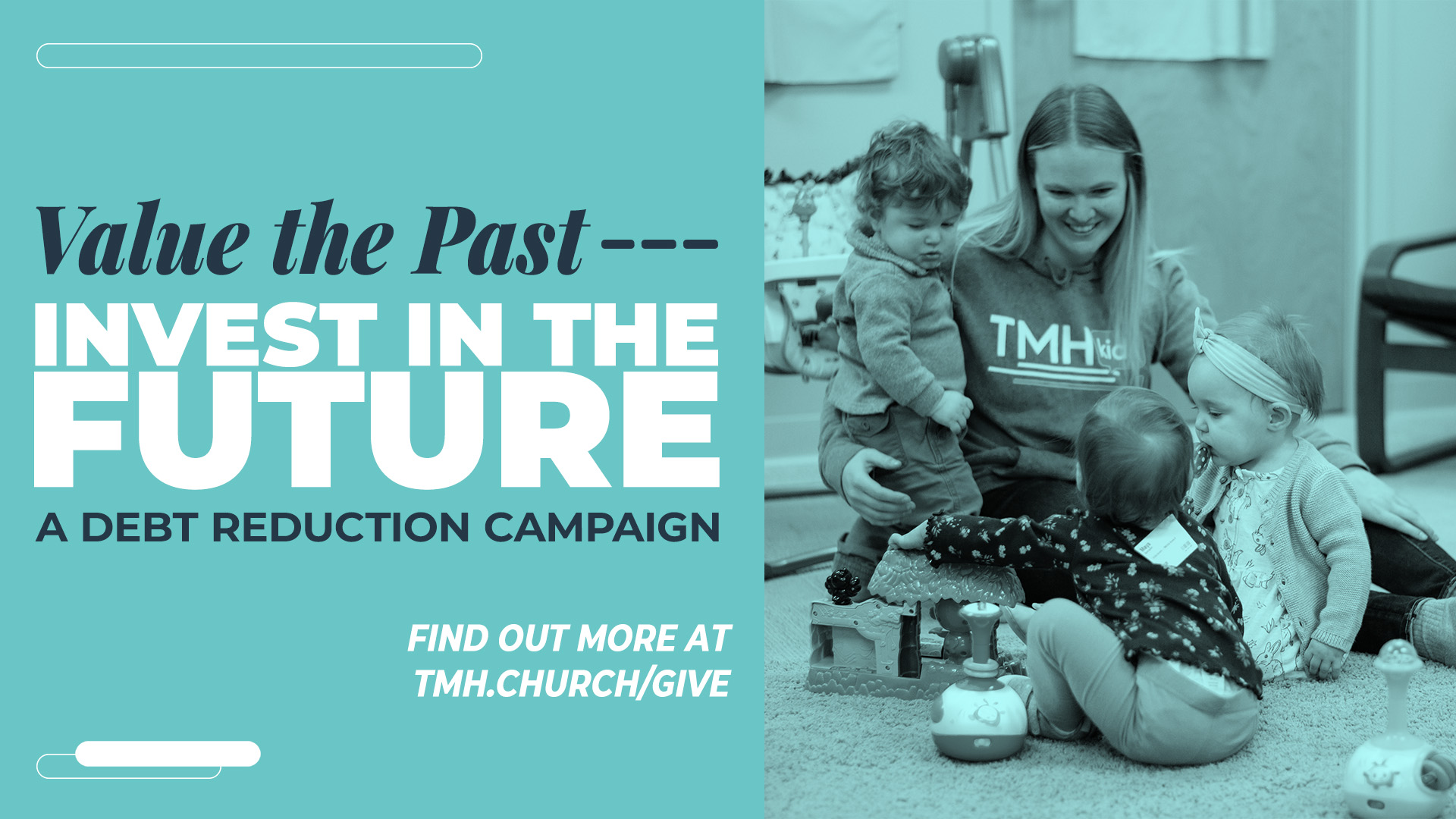
What if the pews in your sanctuary could double as time capsules? Not just for memories, but for the very future of your church? Debt campaigns aren’t merely financial transactions—they’re acts of visionary storytelling, where every dollar pledged becomes a brushstroke in the grand mural of tomorrow. Yet, behind the gleaming promises of new sanctuaries and revitalized ministries lies a subtle tension: the past’s weight and the future’s uncertainty. How do churches balance honoring legacy while boldly stepping into what’s next? The answer isn’t just in budgets or campaigns—it’s in the art of casting a future that feels both inevitable and inspiring.
The Sacred Ledger: When Numbers Become Narrative
Every debt campaign begins with a ledger, but the most compelling ones transform those sterile columns of figures into a living story. Imagine a church not as a building, but as a protagonist in an epic saga—one that’s currently trapped in a chapter of financial constraint, yearning to turn the page. The numbers aren’t just debts; they’re chapters of struggle, each with its own emotional resonance. A $200,000 deficit isn’t just a balance—it’s a cliffhanger, a moment where the congregation must decide: do we leap into the unknown with faith, or cling to the safety of the ledge?
This is where the magic of narrative design comes into play. Campaigns that succeed don’t just present spreadsheets; they frame the debt as a temporary detour on a much grander journey. They ask: What if this struggle is the crucible that forges a stronger, more resilient faith community? The ledger becomes a sacred text, where every pledge is a verse in a communal hymn of hope. But here’s the twist—what if the congregation doesn’t buy into the story? What if the numbers feel too heavy, the vision too distant? The challenge isn’t just raising funds; it’s selling a dream before the ink on the pledge cards is even dry.
The Paradox of Progress: Honoring the Past While Reaching Forward
Churches are, by nature, institutions of memory. The stained-glass windows, the hymns, the sermons passed down through generations—all are echoes of what came before. Yet debt campaigns demand a different kind of reverence: the reverence of what’s yet to be. How do you honor the saints who built the sanctuary while convincing the next generation that their gifts will build something even greater?
This is the paradox of progress. The past isn’t just a foundation; it’s a shadow that looms large over every new idea. A campaign that leans too heavily into nostalgia risks sounding like a eulogy for a church that’s still very much alive. Conversely, one that ignores the past may feel like a betrayal to those who poured their lives into its walls. The solution? A delicate choreography of gratitude and aspiration. Picture a campaign that begins with a tribute to the church’s roots—perhaps a video montage of long-time members sharing their favorite memories—before pivoting to a vision of the future, where those same members are seen as pioneers of a new era.
But here’s the challenge: what if the past feels like a burden rather than a blessing? What if the debt isn’t just financial but emotional, tied to memories of decline or conflict? The campaign must then become a form of reconciliation, where the debt is reframed not as a failure, but as a shared opportunity to rewrite the church’s story. It’s a high-wire act—balancing reverence with audacity, memory with momentum.
The Vision Gap: When the Dream Outpaces the Reality
Every great debt campaign starts with a vision so vivid it feels tangible. A new sanctuary where the acoustics carry the whispers of prayer. A community center that buzzes with the laughter of children and the hum of Bible studies. A debt-free future where the church’s resources flow freely into missions, not mortgages. But between the vision and the reality lies a chasm—and not just the one filled with unpaid bills. The real gap is the one between what the leadership envisions and what the congregation can, or will, embrace.
This is the vision gap, and it’s where campaigns often stumble. The leadership sees a masterpiece in the making; the congregation sees a bill they can’t afford. The solution? A vision that’s not just aspirational, but participatory. Instead of presenting a polished rendering of the future, campaigns should invite the congregation into the drafting process. What would *they* want to see in a new space? What ministries would they prioritize? The most effective campaigns don’t just sell a dream—they co-create it.
Yet, there’s a risk in this approach. What if the congregation’s vision clashes with the leadership’s? What if the dream becomes a battleground of competing priorities? The challenge isn’t just raising funds; it’s managing expectations. The campaign must become a dialogue, not a monologue—a way to align the church’s heart with its head, its faith with its finances.
The Tithing Paradox: Faith vs. Fiscal Responsibility
At the heart of every church debt campaign lies a theological tension: the call to trust in divine provision versus the practical need for fiscal responsibility. Is it faithless to worry about debt, or is it prudent to plan for the worst? The most compelling campaigns navigate this tension with nuance, framing financial stewardship as an act of worship rather than a burden.
Consider the story of a church that framed its debt campaign as a “faith experiment.” Instead of emphasizing scarcity, they highlighted abundance—how every dollar given was a seed planted in the soil of God’s provision. They didn’t ignore the numbers; they recontextualized them. A $500,000 debt wasn’t a millstone around their necks; it was a mountain to be moved by faith. But here’s the catch: what if the experiment fails? What if the pledges don’t come in, or the economy tanks, or the vision proves too ambitious? The campaign must walk a tightrope between bold faith and practical planning, lest it become a lesson in disappointment rather than inspiration.
This is where the role of storytelling becomes paramount. Campaigns that succeed don’t just present a budget; they share stories of how God has provided in the past. They remind the congregation that faith isn’t the absence of doubt, but the courage to act despite it. Yet, the challenge remains: how do you sustain that courage when the bills keep piling up?
The Unseen Stakeholders: Who Really Owns the Future?
A debt campaign isn’t just about the current members—it’s about the future ones, the ones who haven’t walked through the doors yet. It’s about the children who will one day call this church home, the young families who will shape its culture, the strangers who will find solace in its pews. Yet, these stakeholders have no voice in the campaign. They can’t sign a pledge card or attend a vision casting meeting. So how do you campaign for a future you can’t yet see?
This is the dilemma of the unseen stakeholders. The most effective campaigns address this by making the future feel tangible. They use renderings, testimonials, and even virtual reality tours to give the congregation a glimpse of what’s to come. They ask: What kind of church do we want to leave behind for the next generation? But here’s the challenge: what if the future they envision isn’t the one God has in store? What if the debt campaign becomes a monument to human ambition rather than divine direction?
The answer lies in humility. The best campaigns don’t just cast a vision; they invite God into the process. They frame the debt not as a guarantee of success, but as an act of obedience. The future isn’t something to be controlled, but something to be entrusted.
The Final Pledge: More Than a Signature, a Covenant
At its core, a debt campaign is a covenant—a sacred agreement between the church and its people, between the present and the future. It’s not just about money; it’s about shared purpose, mutual trust, and a collective leap of faith. The most powerful campaigns don’t end when the last pledge card is signed; they begin. They mark the transition from vision to reality, from campaign to legacy.
Yet, the true test of a campaign’s success isn’t in the dollars raised, but in the hearts transformed. Did the congregation leave the pews feeling inspired or intimidated? Did they see the debt as a burden or an opportunity? The challenge isn’t just financial; it’s spiritual. It’s the challenge of convincing a community that their greatest asset isn’t their building, but their faith.
So, as the campaign draws to a close, one question lingers: What will the church become? Not in five years, not in ten, but in the quiet moments between now and then, when the bills are paid and the vision is lived out. The debt will fade. The campaign will be forgotten. But the story—the story of a people who dared to dream, to sacrifice, and to trust—will endure.

