

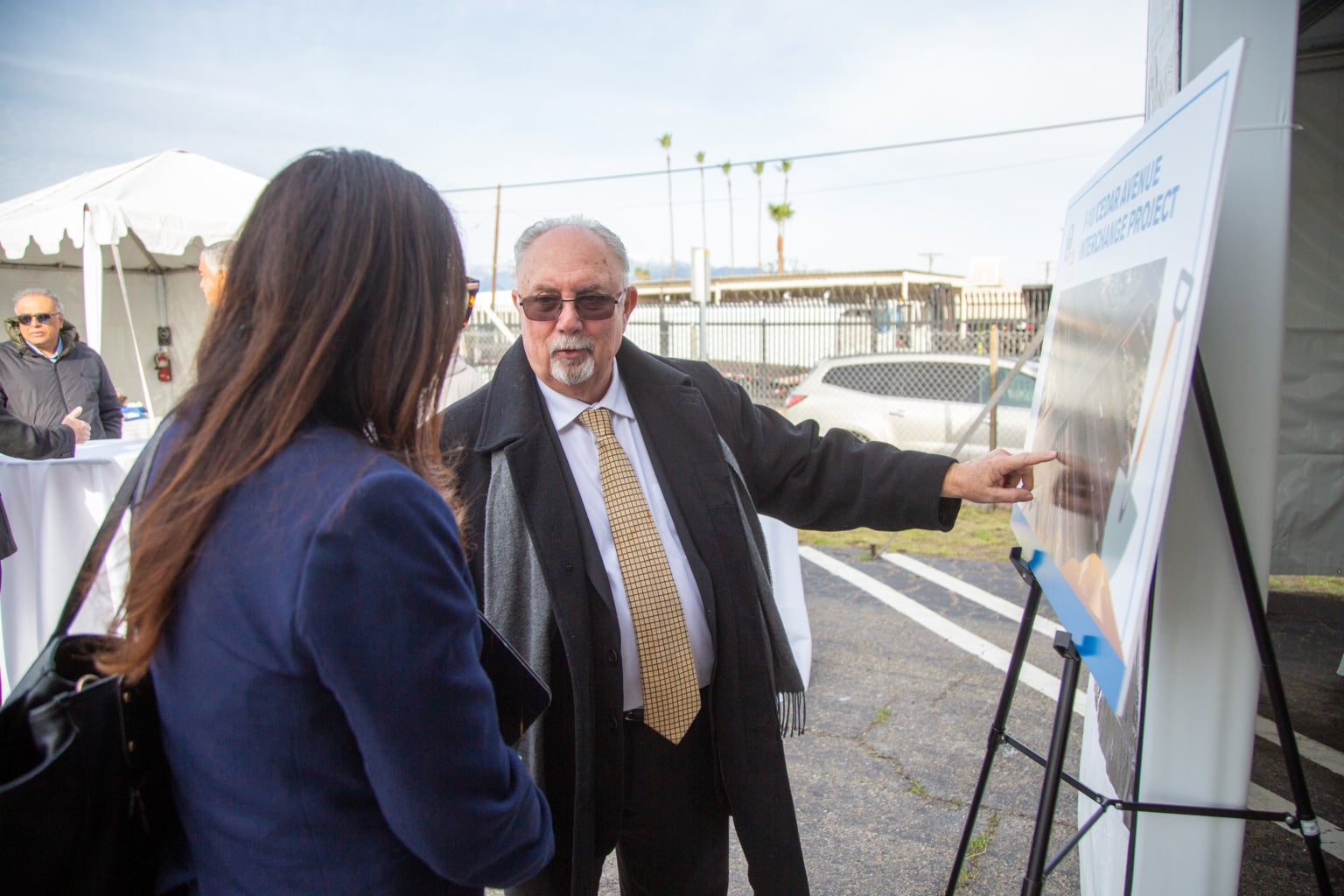
What if the foundation of your spiritual home began not with a sermon, but with a shovel? What if the first brick laid wasn’t set in mortar, but in the collective hope of a community? Groundbreakings are more than ceremonial photo ops—they are the first tangible step toward turning dreams into brick and mortar. But behind every golden shovel lies a complex web of funding, strategy, and faith. How do churches secure the resources to build not just walls, but legacies? And what happens when the money doesn’t flow as freely as the hymns on Sunday?
The Sacred Spark: Why Groundbreakings Matter Beyond the Photo Op
Groundbreakings are not mere rituals—they are catalytic events. They signal intent, rally support, and transform abstract visions into visible progress. When a church breaks ground, it doesn’t just dig soil; it digs into the collective psyche of its congregation. It says, “We are not just dreaming—we are doing.” Yet, this moment of promise can also be a moment of peril. Without adequate funding, that shovel might strike bedrock instead of fertile soil. The challenge isn’t just raising funds—it’s raising the right kind of funds, at the right time, with the right message.
Consider the psychological weight of a groundbreaking. It’s a public declaration of commitment. But what if the funds aren’t secured? What if the pledges made in the pews evaporate like morning mist? The groundbreaking becomes a mirage—a beautiful illusion that fades under financial scrutiny. Churches must navigate a delicate balance: inspire hope without overpromising, and fund boldly without overextending. The first step isn’t just digging—it’s discerning.
From Pews to Pocketbooks: The Art of Congregational Giving
Congregational giving is the lifeblood of church construction. But it’s not just about passing the plate—it’s about crafting a narrative that resonates. People don’t give to buildings; they give to stories. A church must articulate not just what it’s building, but why it matters. Is this a sanctuary for the homeless? A hub for youth mentorship? A beacon of hope in a changing neighborhood? The more vivid the vision, the more compelling the ask.
Yet, here lies the rub: not all congregations are created equal. A small, aging church may struggle to inspire large donations, while a megachurch with a global reach might face donor fatigue. The challenge is tailoring the ask to the audience. A rural congregation might lean on personal testimonies, while an urban church could highlight community impact. The key is authenticity—people give to people, not projects. When the congregation sees their pastor’s passion mirrored in their own hearts, the wallet follows.
But what of the silent givers? Those who write checks but never speak in tongues or shake hands at the door? Churches must cultivate relationships beyond the Sunday service. Personalized letters, vision tours, and donor recognition events can transform anonymous donors into invested partners. The groundbreaking isn’t just a photo op—it’s a milestone in a longer journey of trust-building.
Beyond the Collection Plate: Creative Funding Strategies
Congregational giving is essential, but it’s rarely sufficient. Churches must cast a wider net. Enter: capital campaigns, grants, and partnerships. A capital campaign isn’t just a fundraising blitz—it’s a movement. It requires storytelling, momentum, and a clear timeline. The best campaigns don’t just ask for money; they invite people into a shared legacy. “This isn’t our church,” they say. “It’s yours. And together, we’re building something eternal.”
Grants, too, can be a lifeline. Foundations and civic organizations often fund projects that align with their missions—community development, education, or social justice. A church seeking to build a homeless shelter might find a grant from a local nonprofit. But grants demand precision. Applications must be meticulously crafted, with measurable outcomes and sustainable impact. The challenge? Standing out in a sea of applicants. The solution? Uniqueness. What makes this church’s project different? Why should a foundation bet on this vision over another?
Partnerships with businesses, schools, or other nonprofits can also unlock resources. A local bakery might sponsor a brick in exchange for signage. A university could offer student volunteers in exchange for event space. These collaborations aren’t just transactions—they’re covenants. They say, “We are stronger together.” But partnerships require trust, transparency, and a shared purpose. Without these, even the most generous offer can sour into a PR nightmare.
The Shadow Side of Fundraising: When Generosity Stalls
What happens when the money doesn’t come? When the groundbreaking arrives, but the funds haven’t? The disappointment can be crushing. Congregations may feel betrayed. Pastors may question their calling. The project stalls, and the dream begins to crumble. The challenge isn’t just financial—it’s emotional. How do you revive momentum when hope has waned?
First, transparency. People respect honesty. If the funds aren’t there, say so. But don’t stop there. Offer a revised plan. Maybe the project needs to scale back. Maybe it needs to pivot. A phased approach—building in stages—can keep the vision alive without overburdening donors. The groundbreaking might be delayed, but the mission doesn’t have to be.
Second, creativity. If traditional fundraising falls short, explore alternative revenue streams. Could the church rent out space for events? Host a community market? Launch a crowdfunding campaign with a compelling video? The digital age offers tools unimaginable a generation ago. But beware: crowdfunding demands viral appeal. A church’s story must be shareable, relatable, and urgent. “Help us build a sanctuary for the homeless” is powerful. “Help us build a sanctuary… and here’s why it matters to you” is irresistible.
Leaving a Legacy: The Long Game of Church Construction
Funding a church isn’t just about bricks and mortar—it’s about legacy. A building is a physical testament to faith, but its true value lies in what happens within its walls. Will it be a place of healing? A hub for education? A sanctuary for the weary? The groundbreaking is just the beginning. The real work starts when the last nail is hammered and the doors open.
Yet, the financial journey doesn’t end with construction. Maintenance, staffing, and programming require ongoing funding. A church that builds without a plan for sustainability risks becoming a white elephant—a beautiful structure with no heartbeat. The challenge is building not just for today, but for generations. Endowment funds, legacy gifts, and planned giving can ensure the church thrives long after the groundbreaking photos fade from memory.
So, as shovels dig into the earth and golden suns gleam in the hands of leaders, remember: the groundbreaking is not an endpoint. It’s a threshold. A threshold between dreaming and doing, between hoping and building. The real miracle isn’t the first shovelful of dirt—it’s the enduring legacy that follows.

