

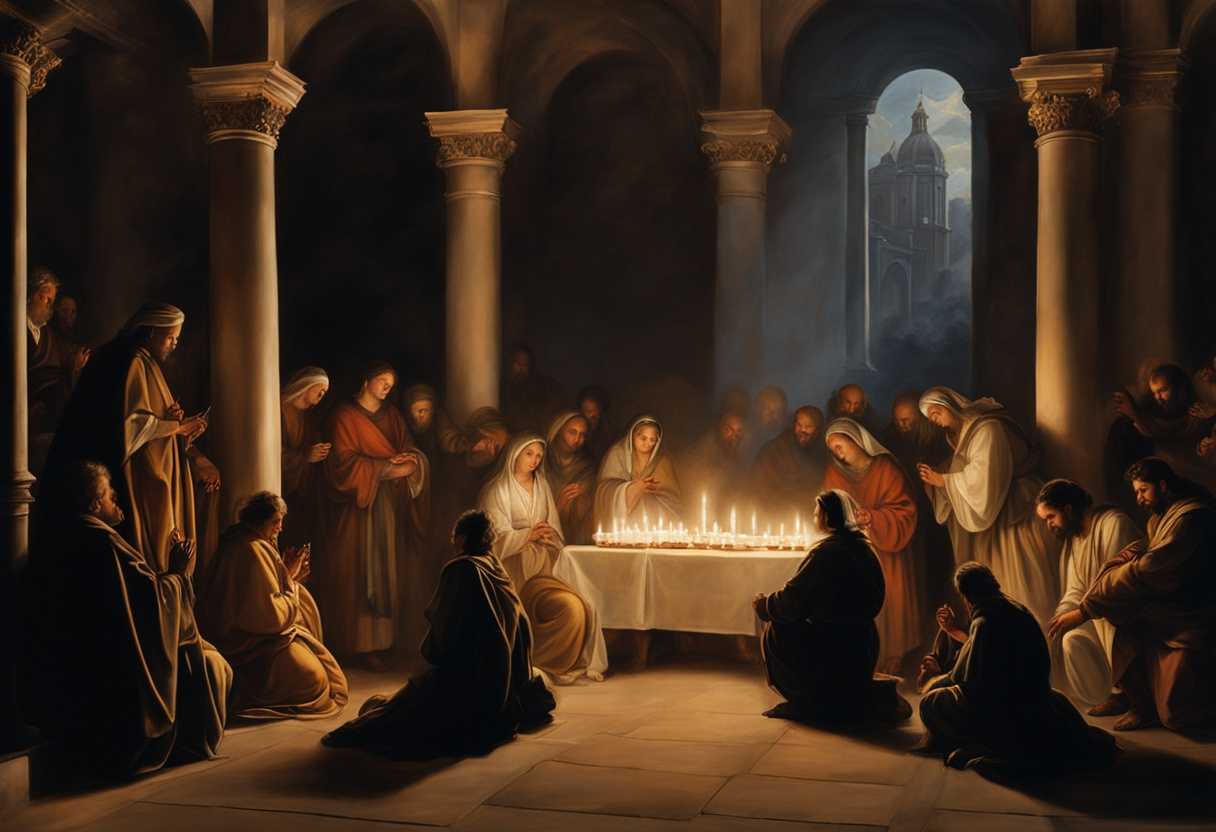
What if the walls of your church could tremble not just with hymns, but with the raw, unfiltered power of heaven? What if the flicker of a candle could ignite a chain reaction of miracles so profound that skeptics would pause mid-scoff to reconsider the very fabric of reality? This isn’t the stuff of medieval legends or whispered folklore—it’s the heartbeat of Church Miracles Campaigns, where faith isn’t just spoken; it’s demanded from the throne of grace. These campaigns aren’t passive prayers whispered into the void; they’re strategic, communal, and often audacious assaults on the spiritual status quo. They ask not just for blessings, but for transformation—and they do so with the kind of fervor that makes heaven lean in to listen.
The Alchemy of Prayer and Campaigns: Turning Devotion into Divine Dynamite
At the core of every miracles campaign lies a paradox: prayer, the most intimate act of faith, becomes the most explosive force when wielded collectively. It’s not about passive supplication; it’s about spiritual warfare dressed in humility. Think of it like this: a single prayer is a spark, but a campaign? That’s a wildfire. Campaigns like these don’t just ask for miracles—they orchestrate them. They leverage the power of unified intent, where thousands (or even millions) of voices rise in unison, creating a vibrational frequency so potent that it rattles the heavens. The question isn’t whether God can hear us—it’s whether we’re willing to storm the gates with enough faith to make Him move.
But here’s the twist: not all prayers are created equal. A miracles campaign isn’t just about repetition; it’s about precision. It’s the difference between shouting into a canyon and tuning a radio to the exact frequency of divine intervention. Campaigns often employ specific prayers—like the Novena to St. Philomena or the Litany of the Saints—crafted over centuries to target particular graces. These aren’t generic pleas; they’re surgical strikes on the spiritual battlefield. The challenge? Staying the course. Miracles campaigns demand discipline. You can’t pray for a week and then abandon the trenches when the heavens seem silent. Faith, in this context, isn’t a sprint—it’s a siege.
From Kneeling to Knocking: The Anatomy of a Miracles Campaign
A well-structured miracles campaign is a symphony of elements, each playing its part in the crescendo of grace. The foundation is always unity—a communal gathering, whether in person or through digital networks, where believers lock arms in purpose. Then comes the script: a carefully curated sequence of prayers, novenas, or fasting periods, designed to build spiritual momentum. Some campaigns incorporate sacramentals—holy water, blessed oils, or relics—believing these tangible touchpoints amplify the supernatural. Others leverage fasting, not as punishment, but as a spiritual battering ram, weakening the enemy’s hold and strengthening the believer’s resolve.
The real magic, though, happens in the expectancy. Miracles campaigns thrive on the tension between doubt and hope. Will God answer? The answer isn’t a guarantee—it’s a dare. These campaigns force participants to confront their own unbelief. What if the miracle doesn’t come in the form we expect? What if it arrives in a whisper instead of a thunderclap? The challenge here is surrender. To run a miracles campaign is to admit that we don’t control the outcome—only our response to it. And that response must be one of relentless trust, even when the evidence is thin.
The Unseen Battlefield: Spiritual Warfare Behind the Scenes
Behind every miracles campaign lies an invisible war. The enemy, whether we name it or not, is real—and he doesn’t take kindly to mass prayer movements. Miracles campaigns aren’t just about asking; they’re about fighting. The early Church knew this. The apostles didn’t just preach; they cast out demons, healed the sick, and bound spiritual forces with authority. Today’s miracles campaigns are a modern echo of that same combat. When believers unite in prayer, they aren’t just hoping for a blessing—they’re disrupting the status quo of spiritual oppression. The challenge? Recognizing that the battle isn’t just out there—it’s in the mind, the heart, the very soul of the believer.
This is where the real work begins. A miracles campaign isn’t a magic trick; it’s a refining fire. It exposes doubt, strips away pretense, and forces participants to confront the raw, unfiltered state of their faith. The enemy’s counterattack isn’t always dramatic—it’s subtle. Distraction. Weariness. The creeping whisper that says, “What if this is all for nothing?” The challenge is to stand firm, to recognize these attacks for what they are, and to press on anyway. Because in the end, the miracle isn’t just the answer to the prayer—it’s the transformation that comes from refusing to quit.
When Miracles Don’t Arrive on Schedule: The Test of Faith
Here’s the uncomfortable truth: not every miracles campaign ends with a Hollywood-style climax. Sometimes, the heavens seem deafeningly silent. The sick aren’t healed. The broken aren’t restored. The impossible remains impossible. What then? Does that mean the campaign failed? Or does it mean the faith was never truly tested? The challenge here is the hardest of all: learning to trust God’s timing over our own. Miracles campaigns aren’t about manipulating divine favor; they’re about aligning our hearts with His will. And His will isn’t always what we expect.
This is where the rubber meets the road. A miracles campaign that ends in unanswered prayer isn’t a failure—it’s a revelation. It strips away the transactional view of faith (“I prayed, so now I deserve…”) and replaces it with something far more profound: a relationship. God isn’t a vending machine. He’s a Father. And sometimes, the greatest miracle isn’t the one we ask for—it’s the one He gives us instead. The challenge is to receive even the silence with grace, to trust that He knows what we cannot see, and to keep praying anyway.
The Ripple Effect: How Miracles Campaigns Change More Than Just the Recipient
The beauty of miracles campaigns isn’t just in the immediate answers—it’s in the aftermath. When a community unites in prayer, something shifts. Skeptics become believers. Strangers become family. The ordinary becomes extraordinary. Miracles campaigns have a way of rewiring the spiritual DNA of a congregation. They create a culture of expectancy, where faith isn’t just a Sunday habit but a daily discipline. They turn passive pew-sitters into warriors. And perhaps most importantly, they remind us that we’re not alone in our struggles.
The challenge, then, is to keep the momentum going. A single campaign can ignite a fire, but it’s the follow-through that sustains it. How do we keep the faith alive when the campaign ends? How do we carry the expectancy into everyday life? The answer lies in community. In accountability. In the willingness to keep knocking, even when the door seems shut. Because the real miracle isn’t just the answer to the prayer—it’s the people who are forever changed by the asking.

