

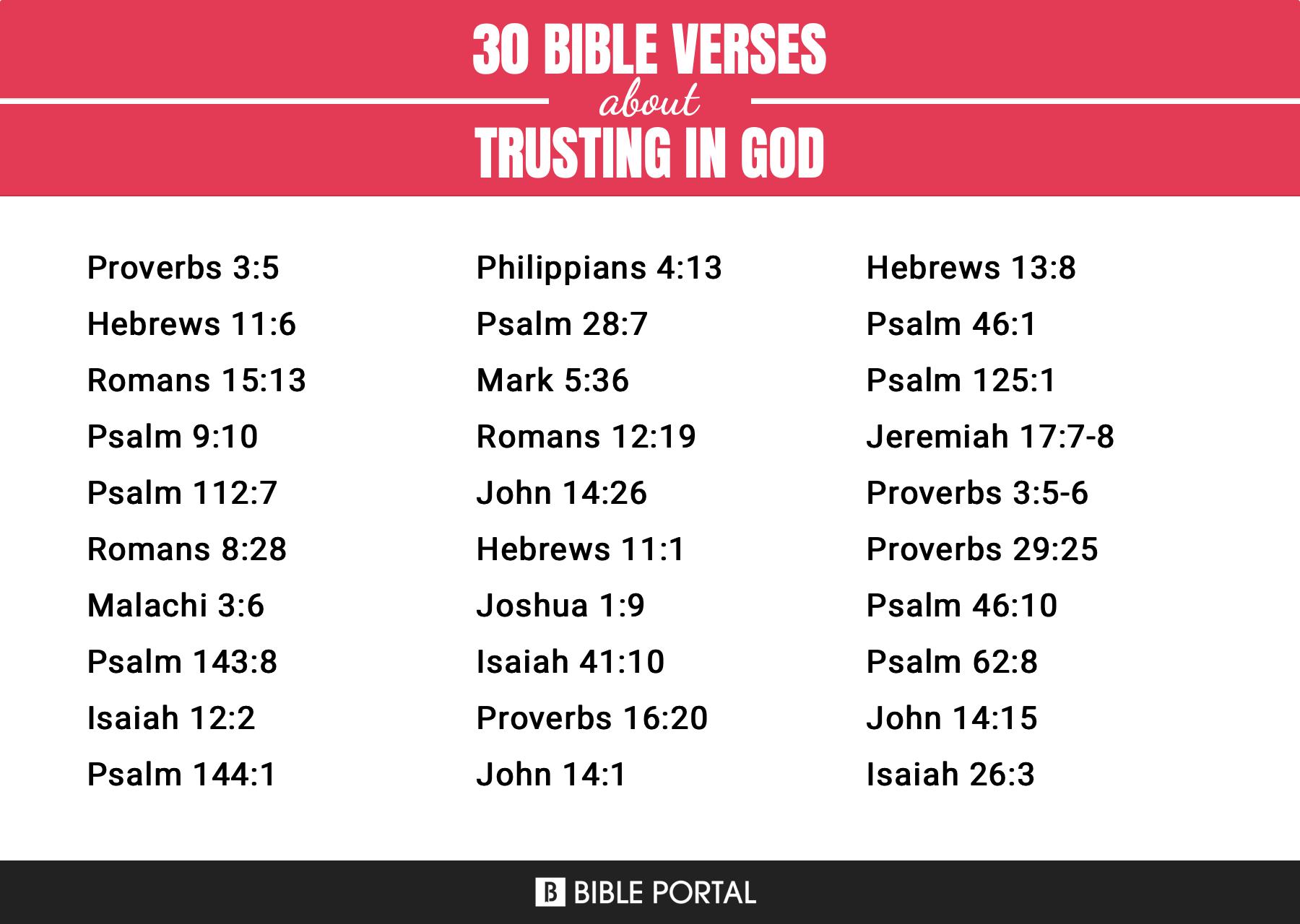
Trusting in the Lord is a profound theme woven throughout the tapestry of the Bible, transcending mere belief and delving deep into the human experience. At the heart of this exploration lies a recognition of the intricate relationship between faith, divine providence, and the challenges of existence. The fabric of scriptural wisdom reveals a myriad of verses that encourage reliance on God, illustrating not only the weight of trust but also the transformative power it offers.
The very notion of trust in God is inherently paradoxical. While individuals long for certainty and control in their lives, the act of placing one’s trust in the divine often requires relinquishing the reins of personal assurance. Proverbs 3:5-6 encapsulates this sentiment beautifully: “Trust in the Lord with all your heart and lean not on your own understanding; in all your ways submit to Him, and He will make your paths straight.” Here, the scripture calls for an abdication of self-reliance, urging believers to abandon their limited perception in favor of divine wisdom.
Moreover, the Bible frequently employs metaphors to convey the significance of trust. Psalm 18:2 proclaims, “The Lord is my rock, my fortress and my deliverer.” This imagery evokes a sense of stability and safety, positioning God as an unmovable foundation amidst life’s tumultuous storms. By conceptualizing trust in such robust terms, the scripture beckons individuals to embrace a higher source of strength and solace, one that is impervious to the vicissitudes of life.
Additionally, the Bible addresses the dynamic nature of trust, affirming that it is not a singular event but rather a continuous journey. The story of Abraham stands as a prime illustration. His unwavering faith, despite the absence of tangible evidence, is famously highlighted in Romans 4:20-21, where it states that he “did not waver through unbelief regarding the promise of God, but was strengthened in his faith and gave glory to God, being fully persuaded that God had power to do what He had promised.” This narrative underscores the necessity of nurturing trust through trials and tribulations, revealing that faith flourishes even in the most challenging circumstances.
Furthermore, the relationship between trust and God’s character is pivotal. Psalm 56:3-4 offers reassurance: “When I am afraid, I put my trust in you. In God, whose word I praise—in God I trust and am not afraid.” This passage encapsulates the concept that trust is not blind; it is anchored in the understanding of God’s nature—His faithfulness, love, and righteousness. The more individuals come to know of God’s character, the more they are encouraged to place their trust, recognizing that He is inherently good and just.
Yet, trusting in the Lord does not imply an absence of doubt or fear. Rather, it coexists with those emotions, allowing individuals to confront their vulnerabilities. Philippians 4:6-7 reminds believers, “Do not be anxious about anything, but in every situation, by prayer and petition, with thanksgiving, present your requests to God. And the peace of God, which transcends all understanding, will guard your

