

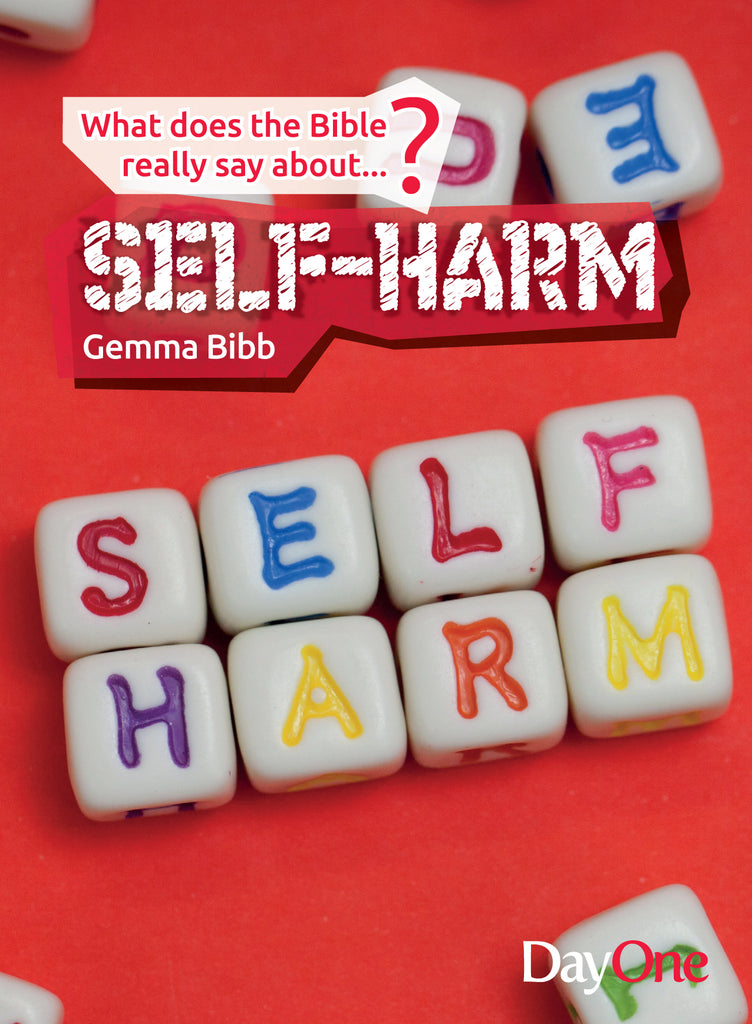
In the vast tapestry of human experience, self-harm emerges as a haunting motif, echoing the depths of despair that countless individuals face. This act, often shrouded in stigma and misunderstanding, prompts an exploration not only of the behaviors themselves but also of the profound questions surrounding their existence. Particularly, the intersection of these personal struggles with spiritual teachings presents an intriguing examination of the cultural and existential undercurrents that drive individuals toward such behaviors. This article delves into the biblical perspectives on self-harm, seeking to unravel what sacred texts might elucidate about this complex issue.
At the heart of the discourse on self-harm lies the often-overlooked reality that individuals engage in such behaviors as a means of coping with emotional pain. In Christian theology, the body is referred to as a sacred vessel, a temple designed to honor the Creator. In Scripture, 1 Corinthians 6:19-20 posits, “Do you not know that your bodies are temples of the Holy Spirit, who is in you, whom you have received from God? You are not your own; you were bought at a price. Therefore honor God with your bodies.” This passage emphasizes the sanctity of the human body, portraying self-harm as an act that clashes with the divine intention for our lives.
Adherents to faith often find themselves grappling with the dichotomy between spiritual beliefs and the visceral need for relief from inner turmoil. What is frequently overlooked is that many who resort to self-harm may not actively seek to damage themselves but rather to express an overwhelming emotional burden. In moments of acute distress, this paradoxical behavior may even serve as a misguided quest for relief or clarity. Biblical text offers answers for those troubled by such inner conflicts, predominantly through narratives of redemption and healing.
The Bible, particularly in the Psalms, provides a powerful acknowledgment of human suffering. Psalm 34:18 declares, “The Lord is close to the brokenhearted and saves those who are crushed in spirit.” This affirmation serves as a reminder that suffering is not an isolated journey; rather, it is a shared aspect of the human experience. Through such passages, one can deduce that the divine presence meets individuals at their lowest, encouraging them to seek solace in faith rather than harm.
Furthermore, instances of self-endangerment are not alien to scripture itself. Biblical figures faced torment, anguish, and despair—from the depression of Elijah after his victory over the prophets of Baal to the cries of Job amidst his profound suffering. Each of these individuals navigated moments of darkness, often seeking solace through communion with the Divine rather than inflicting pain upon themselves. This motif elucidates a crucial aspect of the biblical narrative: the journey through suffering is not to be confronted alone. God, as portrayed in these stories, serves not only as a refuge but also as a catalyst for healing and transformation.
Engaging with scripture offers nuanced reflections on the nature of harm, with passages that illuminate a dialogue of self-worth and identity. Jeremiah 29:11 reassures, “For I know the plans I have for you, declares the Lord, plans to prosper you and not to harm you, plans to give you hope and a future.” Such verses provide a foundation for understanding the intrinsic value of every individual, espousing a hopeful message that contradicts the compulsive narratives of self-destruction. They articulate a vision of hope that transcends despair, inviting believers to step towards divine promise rather than self-inflicted pain.
Yet, the engagement with biblical doctrine also necessitates a cautious approach towards understanding self-harm as a manifestation of deeper issues, which can span from unresolved trauma to mental health struggles. The Bible, while offering spiritual consolation, must be framed within the context of holistic healing, which can include therapeutic interventions. The integration of psychological insights with spiritual teachings allows for a more comprehensive understanding of self-harm, resonating with the multifaceted nature of human suffering.
In navigating these troubled waters, it is imperative to foster compassion both towards oneself and those who struggle with similar impulses. Community plays an essential role, as highlighted in Galatians 6:2: “Carry each other’s burdens, and in this way, you will fulfill the law of Christ.” By embedding ourselves within a supportive community, individuals are more likely to experience acceptance and understanding, crucial components in breaking the cycle of self-harm.
Moreover, it is essential to approach the conversation around self-harm devoid of judgment. Harsh condemnation often exacerbates feelings of shame and isolation, prompting further disengagement from spiritual guidance. Through active listening and empathetic engagement, communities can promote healing and understanding, providing individuals with the scaffolding needed to navigate their pain. Encouraging individuals to seek help through counseling, support groups, and pastoral care can facilitate a fuller reconciliation of their experiences with their faith.
Ultimately, the discourse surrounding self-harm must be embraced with an open heart and a profound understanding of its complexities. The Bible offers wisdom that acknowledges suffering while simultaneously illuminating a path toward healing and hope. In decoding the messages of love and guidance intertwined within sacred texts, individuals can find strength and solace, turning their gaze away from self-infliction towards a restorative embrace of divine love. The journey through suffering may be arduous, yet faith, community, and understanding offer a compass toward a healthier and more hopeful future.

