

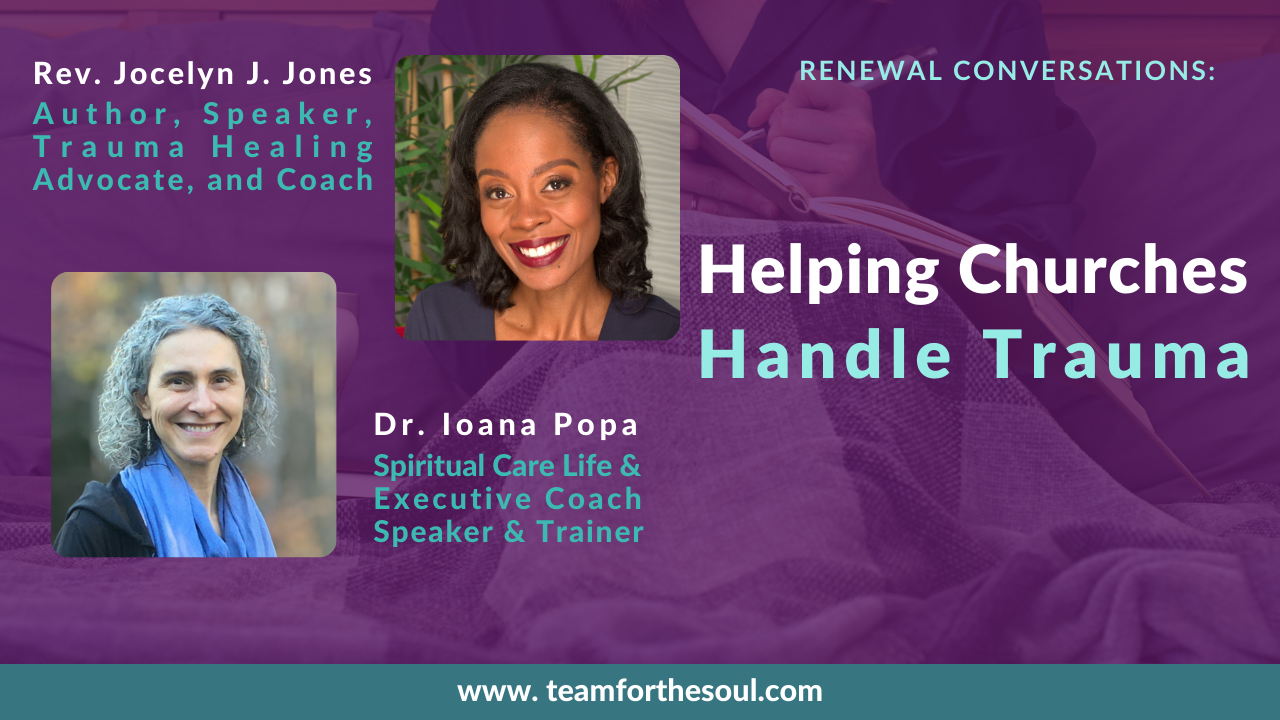
What if the gentle hum of a hymn hides a silent scream? In church women’s groups, the pursuit of spiritual edification sometimes collides with unspoken wounds that linger beneath the surface. Addressing trauma in these intimate gatherings is not merely an administrative task; it is a call to cultivate a sanctuary where brokenness can be acknowledged, cradled, and transformed. Yet the challenge remains: how can leaders honor sacred trust while navigating the delicate labyrinth of personal pain? The following guide charts a path through that labyrinth, offering practical steps, theological grounding, and narrative techniques to foster healing without compromising the communal spirit.
Understanding the Landscape of Trauma
Trauma is an intricate tapestry woven from adverse experiences—abuse, loss, chronic illness, or systemic oppression. For many women, these threads are woven into the very fabric of their faith journeys. A trauma‑informed lens recognizes that any reminder—be it a prayer, a song, or a scent—can trigger a cascade of physiological and emotional responses. Leaders must therefore develop a rudimentary grasp of neurobiological stress responses, not to become therapists, but to appreciate why some participants may flinch at seemingly innocuous stimuli. By acknowledging that trauma lives in the body as much as in the mind, groups can shift from a purely doctrinal approach to a more holistic pastoral care model.
Identifying the Unique Vulnerabilities of Women in the Church
Women often occupy intersecting spheres—caretakers, wage earners, mentors, and disciples—that amplify both resilience and susceptibility. Societal expectations can pressure them to appear strong,压抑情绪, thereby burying pain under layers of piety. The cultural script may also suggest that suffering is a spiritual test, prompting some to equate seeking help with a failure of faith. Recognizing these gendered narratives enables leaders to design spaces that validate emotional expression without labeling it as rebellion. It also opens the door for honest conversations about power dynamics, consent, and the church’s historical role in either amplifying or alleviating marginalization.
Crafting a Trauma‑Informed Environment
A trauma‑informed environment acts as a protective membrane, filtering out triggers while allowing safe entry. Simple modifications—such as soft lighting, flexible seating, and a quiet “snack corner”—communicate that the space is designed for comfort. Verbal cues should be gentle: “Take a breath,” “If you need a pause, feel free to step out,” and “Your story belongs here.” Policies on confidentiality must be explicit; participants should sign a brief agreement pledging discretion, and leaders should model this by never sharing personal stories without permission. The synergy between physical comfort and relational trust creates an interstitial zone where vulnerability can surface without fear of judgment.
Facilitating Open Dialogue and Emotional Catharsis
Narrative storytelling becomes a conduit for catharsis when guided with intention. Leaders can introduce structured prompts—“Share a moment when you felt unseen,” or “Describe a prayer that comforted you in darkness”—that invite participants to articulate pain through a faith lens. Active listening techniques, such as paraphrasing and reflective silence, validate the speaker’s experience. Short, affirming statements (“That sounds heavy”) can be interspersed with longer, descriptive elaborations that honor the full breadth of the account. This rhythmic interplay keeps the dialogue alive, prevents stagnation, and encourages others to lean in rather than retreat.
Integrating Spiritual Practices with Psychological Safety
Spiritual rituals should be calibrated to support, not re‑traumatize. Consider alternating between contemplative practices—like guided meditation onScripture passages that emphasize restoration—and expressive ones—such as journaling or art stations. The liturgical use of lament psalms can legitimize grief, while communal singing of resilient hymns can foster collective empowerment. Leaders must be attuned to physiological cues; if a participant’s breathing quickens, gently intervene with a grounding exercise, such as “Feel the floor beneath your feet.” By weaving mindfulness into prayer, the group honors the body as a temple of the Holy Spirit.
Training Leaders: Equipping Guides with Sensitivity and Skill
Even the most compassionate leader can falter without proper training. Pastoral workshops should cover trauma basics, boundaries, and de‑escalation tactics. Role‑playing scenarios—such as a participant disclosing past abuse—allows leaders to rehearse responses that are both empathetic and boundaried. Ongoing supervision, whether through peer support circles or professional counseling referrals, ensures that leaders do not internalize the pain they witness. Certification programs in trauma‑informed care, though optional, can augment credibility and confidence.
Implementing Structured Activities and Healing Rituals
Beyond dialogue, concrete activities embed healing into the group’s rhythm. Consider monthly “Healing Circles” where participants can light candles representing burdens they wish to release. A “ gratitude stone” practice—each person holds a smooth stone and names one thing for which they are grateful—cultivates a balanced focus on both sorrow and hope. Seasonal retreats that combine nature walks with reflective devotions can harness the restorative power of creation. Each activity should include an optional debrief, allowing participants to verbalize their experience or simply sit in silence.
Managing Confidentiality and Boundary Setting
Confidentiality is the cornerstone of trust. A clear policy statement, read aloud at each meeting, should outline what is shared within the group, what remains private, and the exceptions (e.g., mandatory reporting). Boundaries also extend to digital spaces: encrypted messaging platforms and private social media groups can safeguard conversations. Leaders must model boundary respect by never soliciting personal information via unsolicited emails or public forums. By consistently upholding these limits, the group creates a culture where disclosure is a choice, not a demand.
Providing Ongoing Support and Follow‑Up Mechanisms
Healing does not conclude when the meeting ends. Establish a “buddy system” pairing each participant with a trusted ally who can check in via text or brief phone calls. Provide a curated list of professional resources—counselors, support groups, crisis hotlines—tailored to trauma recovery. Periodic “re‑entry” sessions, held a week after a major activity, allow individuals to process lingering emotions. This continuum of care demonstrates the church’s commitment to holistic discipleship, extending compassion beyond the sanctuary walls.
Evaluating Impact: Measuring Growth and Healing
Assessing progress requires both qualitative and quantitative tools. Anonymous surveys can gauge perceived safety, emotional relief, and spiritual connectedness on a Likert scale. Narrative feedback—whether collected via journals

