

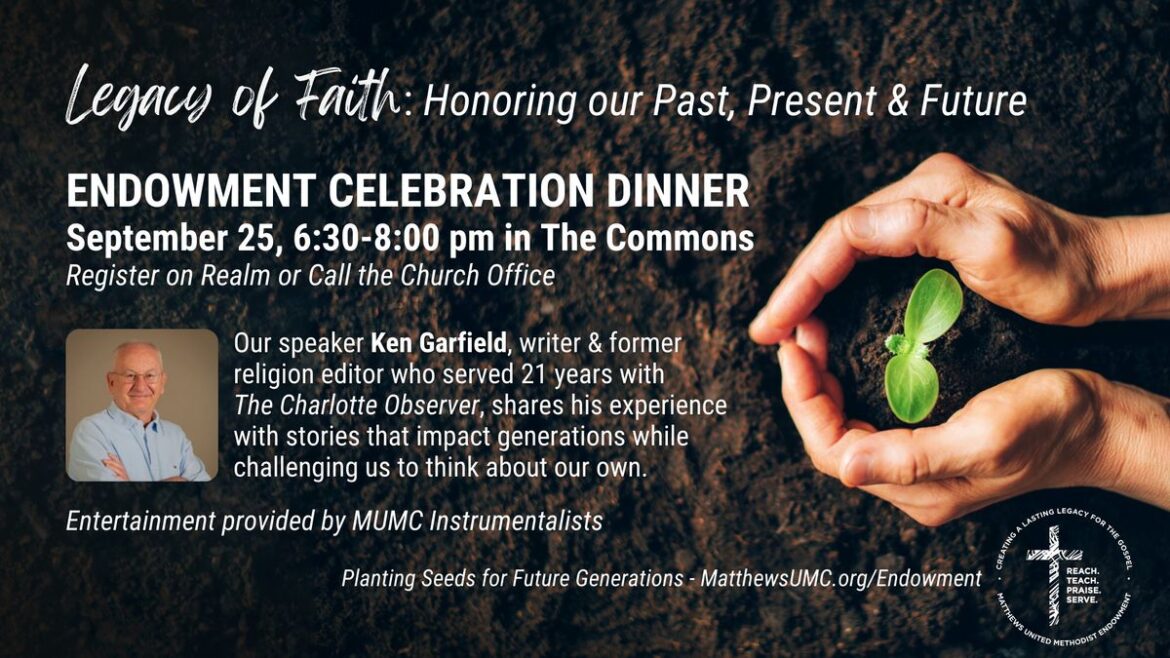
An endowment campaign is more than a fundraising initiative—it’s a sacred covenant between a faith community and its future. When a church embarks on this journey, it isn’t merely collecting resources; it’s weaving a tapestry of generational stewardship, spiritual legacy, and transformative impact. The promise of an endowment is not just financial security—it’s the promise of a church that endures, adapts, and thrives long after the current generation has passed the torch. But how do you celebrate such a monumental endeavor in a way that resonates deeply, ignites passion, and leaves an indelible mark on the hearts of your congregation? Let’s explore how to turn a campaign into a movement of meaning.
The Power of Vision: Painting the Future in Living Color
Before the first dollar is pledged, the congregation must see what they’re building toward. A compelling vision is not a spreadsheet of numbers—it’s a story. It’s the image of a food pantry bustling with families on a Tuesday evening, the sound of children’s laughter echoing through a newly renovated Sunday school wing, the quiet awe of a sanctuary bathed in golden light during evening prayer. This vision must be vivid, sensory-rich, and deeply personal. Use multimedia—short films, immersive storytelling sessions, or even a “day in the life” of the church in 2040—to make the abstract tangible. When people can *feel* the future, they don’t just donate; they become co-creators of a sacred legacy.
Rituals That Elevate: Transforming Giving into Worship
Giving should never feel transactional. Instead, frame it as an act of worship—a sacred exchange where time, talent, and treasure are laid before the altar. Introduce symbolic rituals that elevate the act of pledging. Consider a “Passing of the Flame” ceremony, where congregants light candles to symbolize their commitment, then pass the flame to the next person, creating a chain of shared purpose. Or host a “Tithing in Technicolor” event, where donors write their pledges on vibrant, handcrafted cards that are later assembled into a mosaic mural in the church foyer. These rituals don’t just mark the moment—they sanctify it, turning a financial pledge into a spiritual milestone.
The Art of the Ask: Crafting Invitations That Stir the Soul
An ask is not a demand; it’s an invitation to participate in something eternal. The language you use should evoke wonder, not obligation. Instead of “We need $500,000,” try: “Imagine a church where no child ever feels invisible, where no family struggles alone, where the light of hope never flickers. That future is within reach—and it starts with your ‘yes.’” Segment your asks to resonate with different life stages: young families might be drawn to the promise of a vibrant youth ministry, while retirees may connect with the idea of leaving a legacy that outlives them. Personalize the ask with stories—of a single mother whose child found belonging in Sunday school, or a widower whose grief was eased by the church’s grief support group. When the ask is rooted in transformation, generosity becomes an act of gratitude, not guilt.
Celebrating Milestones: Turning Progress into Pageantry
Every pledge, every dollar raised, is a victory worth celebrating. But don’t wait until the campaign ends to throw a party—celebrate the journey. Host quarterly “Harvest Dinners” where you share stories of impact, not just spreadsheets of progress. Feature testimonies from those who’ve already benefited from the campaign’s early fruits, like a scholarship recipient or a community outreach volunteer. Create a “Wall of Promises” where congregants can write their pledges on decorative stones or tiles, then assemble them into a permanent display. For major milestones, like hitting 50% of the goal, organize a “Light the Way” lantern parade, where families carry glowing lanterns through the church grounds, symbolizing how each gift illuminates the path forward. These celebrations aren’t just morale boosters—they’re proof that the campaign is alive, breathing, and growing.
Engaging the Reluctant: Overcoming Fear with Storytelling
Not everyone will leap at the chance to give. Some may hesitate out of fear—fear of scarcity, fear of irrelevance, or fear of losing control. To engage the hesitant, you must dismantle those fears with stories that reframe abundance. Share the tale of a church that nearly closed its doors until a single anonymous gift of $10,000 reignited its mission. Or highlight a donor who started with $20 a month and, over decades, saw their small act of faith grow into a legacy that transformed lives. Use data sparingly—people don’t give to spreadsheets, but they *will* give to stories of lives changed. Create a “Fear to Faith” panel where reluctant givers can ask questions in a safe, judgment-free space, guided by pastors and longtime members who’ve walked similar paths. When fear meets hope, transformation begins.
The Ripple Effect: How Endowments Multiply Ministry
An endowment isn’t a savings account—it’s a catalyst. The true magic of a well-funded endowment is its ability to multiply ministry in ways that annual budgets never could. A $1 million endowment doesn’t just sit idle; it generates $40,000 annually (at a 4% draw rate), funding a pastor’s sabbatical, a community health clinic, or a global missions trip every year without fail. Paint this picture for your congregation: “With this endowment, we’ll never have to choose between fixing the roof and feeding the hungry. We’ll do both—*and* we’ll do it with excellence.” Show them how their gifts will create a perpetual engine of compassion, innovation, and service. When people see that their sacrifice today will echo through generations, their commitment deepens from duty to devotion.
Leaving a Legacy: The Eternal Echo of a Well-Celebrated Campaign
The final celebration of an endowment campaign isn’t a single event—it’s the legacy it leaves behind. It’s the quiet pride of a longtime member who, years later, points to the scholarship fund that sent their grandchild to college. It’s the new family who walks into a church transformed by the campaign, feeling instantly at home because the space reflects their values. It’s the pastor who, decades from now, preaches a sermon in a sanctuary that was made possible by the faithfulness of those who came before. To cement this legacy, create a “Legacy Book” where donors can write letters to future generations, sharing why they gave and what they hope their gift will accomplish. Present these letters during the campaign’s closing ceremony, then archive them in the church library. This isn’t just a campaign—it’s a covenant written in ink and heart.

