

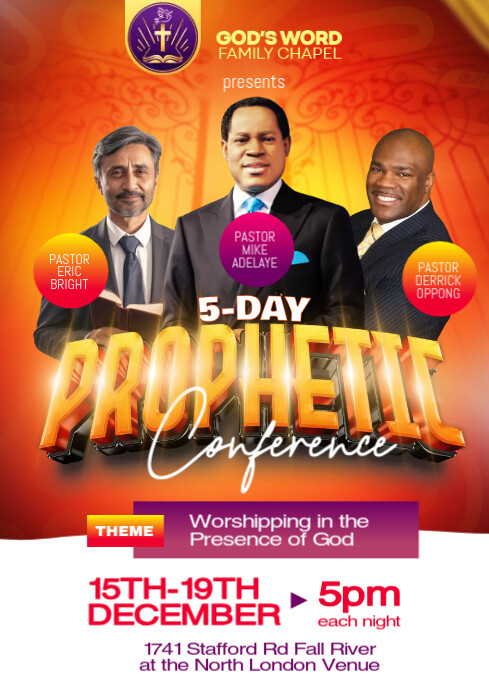
Imagine stepping into a season where the air hums with expectancy, where every whispered promise feels like a divine echo, and where the ordinary suddenly crackles with the extraordinary. A church prophecy campaign isn’t just an event—it’s a sacred portal, an invitation to witness the unfolding of God’s purposes in real time. It’s where faith transcends the theoretical and becomes tangible, where the promises whispered in the quiet of prayer rooms now resound through the halls of the church, vibrating with the weight of heaven’s intent. This is not a fleeting moment of inspiration; it’s a catalytic shift, a kairos moment where the trajectory of lives, families, and even entire communities begins to bend toward destiny.
The Prelude: Cultivating a Culture of Prophetic Awareness
Before the first prophetic word is spoken, the soil must be prepared. A prophecy campaign doesn’t thrive in barren ground; it flourishes where hearts have been tilled by consistent prayer, fasting, and a hunger for the supernatural. Begin by fostering a culture where prophetic gifts are not just tolerated but celebrated. Encourage members to journal their encounters with God, to test every spirit, and to steward their words with reverence. Host small groups where the Scriptures are mined for prophetic patterns, where testimonies of past fulfillments ignite fresh faith. The goal isn’t to manufacture revelation but to create an atmosphere where the Holy Spirit can move unhindered. When the people are expectant, the atmosphere becomes electric—ripe for the divine to break through in undeniable ways.
Setting the Stage: Designing an Immersive Prophetic Experience
A prophecy campaign should feel like stepping into a living parable, where every detail whispers of God’s nearness. The environment itself must become a canvas for revelation. Consider transforming the worship space with symbolic decor—soft lighting, flowing fabrics in hues of gold and crimson, perhaps even a backdrop of cascading banners inscribed with Scripture. The music should be neither too loud nor too soft, but a melodic undercurrent that lifts the soul toward the throne. Use multisensory elements: the scent of frankincense, the taste of communion elements, the touch of anointed cloths passed among the congregation. The staging should mirror the message—orderly, yet brimming with the unscripted wonder of the Spirit. This isn’t theater; it’s sacred theater, where heaven and earth collide in holy choreography.
The Word in Motion: Delivering Prophecy with Precision and Power
Not all prophecy is created equal. The most transformative words are those that are seasoned with love, anchored in Scripture, and delivered with surgical precision. Train prophetic teams to listen deeply—not just to the words spoken, but to the heart behind them. A prophecy should never leave the hearer feeling condemned or overwhelmed; it should feel like a key turning in a lock, releasing what was already present but unseen. Use clear, declarative language. Instead of vague platitudes, speak into specifics: “The God who parted the Red Sea is about to part the obstacle in your finances.” “The dream you’ve buried in your heart? It’s not dead—it’s gestating.” The delivery should be bold yet gentle, authoritative yet humble. Remember, the goal is not to dazzle with eloquence but to dismantle strongholds with truth.
From Revelation to Activation: Turning Prophecy into Purpose
Revelation without application is like a seed never planted—it may contain life, but it will never bear fruit. The true power of a prophecy campaign lies in its ability to catalyze action. After each prophetic word is given, provide clear next steps. If someone is called to missions, connect them with a sending agency. If healing is promised, offer prayer ministry stations. If a breakthrough in relationships is declared, host a workshop on reconciliation. Create accountability groups where individuals can share their progress and receive encouragement. The shift in perspective doesn’t happen in the moment of prophecy—it happens in the daily choices that follow. A prophecy is not a fortune cookie; it’s a roadmap. The journey begins when the word is received, not when it’s spoken.
The Ripple Effect: Extending Prophecy Beyond the Church Walls
A prophecy campaign shouldn’t be an insular event; it should be a pebble dropped into a pond, sending concentric circles of impact outward. Train members to carry prophetic sensitivity into their workplaces, schools, and neighborhoods. Equip them to speak life over strangers, to pray for the sick in public spaces, to declare peace in chaotic situations. Host community outreach events where prophetic words are shared in accessible, non-threatening ways. Consider partnering with local leaders to bring prophetic ministry to schools or nursing homes. The goal is to normalize the supernatural, to make the prophetic not a spectacle but a lifestyle. When the church becomes a conduit of heaven’s declarations, the world begins to see God not as a distant deity, but as a present Father who speaks—and acts—in love.
Sustaining the Momentum: From Campaign to Lifestyle
The danger of a prophecy campaign is that it becomes a one-time emotional high, a spiritual firework that fades into darkness. To prevent this, build structures that sustain the momentum. Launch a prophetic prayer team that meets weekly to intercede for the promises released. Create a digital platform where testimonies can be shared and new words can be posted. Host quarterly “prophetic check-ins” where individuals can revisit the words spoken over them and track their fulfillment. Equip pastors and leaders to weave prophetic themes into their regular teaching, so the culture of expectancy doesn’t wane. The shift in perspective must be nurtured like a garden—tended, watered, and protected from the weeds of doubt and distraction. A campaign can ignite a fire; it’s the daily embers that keep it burning.
The Ultimate Shift: When Prophecy Meets Transformation
At its core, a prophecy campaign is not about words—it’s about the metamorphosis they spark. It’s about the single mother who, after years of struggle, suddenly sees a path to stability. It’s about the young man who, once bound by addiction, now walks in freedom. It’s about the church that, longing for revival, begins to see the first flickers of awakening. The shift isn’t just in what people believe; it’s in how they live. Prophecy doesn’t just inform—it reforms. It doesn’t just declare—it delivers. When the people of God begin to see themselves not as victims of circumstance, but as carriers of destiny, the world takes notice. The campaign ends, but the story doesn’t. The promises spoken that day become the foundation for a new legacy—one written not in ink, but in the transformative power of the Holy Spirit.

