

In the quiet hum of pews and the flicker of candlelight, there exists a moment—an electric pause—where hearts yearn for more than routine. A church revival isn’t merely an event; it’s a spiritual awakening, a collective gasp of breath after years of holding it in. But how do you transform that yearning into a movement? How do you craft a campaign that doesn’t just announce a revival but ignites one? This isn’t about logistics alone; it’s about crafting an experience that whispers to the soul before the sermon even begins. Let’s embark on a journey to design a church revival campaign that doesn’t just promise change—it delivers a seismic shift in perspective.
The Genesis: Defining the Revival’s Soul
Every revival begins with a question, not a schedule. What is the heartbeat of this awakening? Is it a call to repentance, a surge of unity, or a rekindling of dormant faith? The first step isn’t booking a venue or designing flyers—it’s excavating the divine purpose buried beneath layers of tradition. Ask yourself: What will make attendees leave different from how they arrived? Will they feel the weight of conviction, the warmth of fellowship, or the thrill of encountering the sacred in new ways? The answers to these questions will shape every subsequent decision, from the campaign’s tone to its most granular details. A revival without a defined soul is a ship without a rudder, adrift in a sea of good intentions.
Mapping the Emotional Landscape: Crafting the Journey
A revival campaign isn’t a linear path—it’s a labyrinth of emotions, each turn designed to disarm resistance and awaken longing. Start with intrigue. Tease the revival not as an announcement but as a revelation. Use cryptic yet evocative language in your promotional materials: “What if this is the year your faith finds its voice?” or “A night where doubt meets destiny.” The goal isn’t to inform but to provoke. Then, as the campaign unfolds, layer in stories—testimonies of transformation, parables of hope, and visions of what could be. Each piece of content should feel like a breadcrumb leading to a feast of spiritual renewal. Remember, people don’t just attend revivals; they surrender to them.
The Art of Anticipation: Building Momentum Before the First Note
Anticipation is the most potent fuel for a revival campaign. It’s the difference between a lukewarm gathering and a charged atmosphere where the air itself hums with expectation. Start teasing the revival weeks—even months—in advance, but do it with artistry. Share behind-the-scenes glimpses of preparation, like musicians rehearsing a new hymn or volunteers crafting handmade invitations. Release short, cinematic videos featuring snippets of worship or spoken-word poetry that hints at the revival’s theme. Host “countdown” prayer sessions where church members share their hopes for the event. The key is to make the revival feel inevitable, like a storm gathering on the horizon—unavoidable, powerful, and full of promise.
Designing the Invitation: More Than a Flyer, a Portal
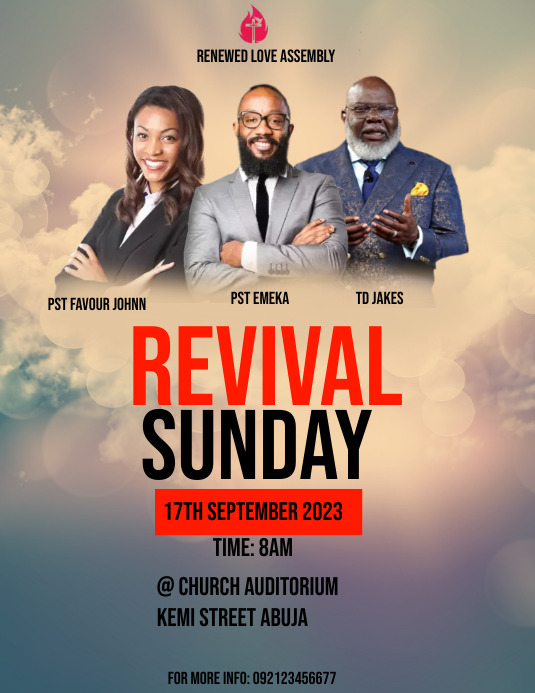
Your promotional materials aren’t just advertisements; they’re portals into a sacred experience. A flyer, for instance, should feel like an invitation to a secret, not a poster on a bulletin board. Use imagery that stirs the imagination—a lone figure kneeling in a sunlit sanctuary, a choir bathed in golden light, or a crowd with hands lifted in unison. The colors should evoke emotion: deep blues for introspection, fiery oranges for passion, or soft golds for divine presence. The copy should be poetic, not transactional. Instead of “Join us for Revival,” try “Step into a night where heaven bends low and hearts find their home.” Every detail, from the font to the paper texture, should whisper, “This is not ordinary.”
The Power of Partnerships: Amplifying the Message
A revival isn’t confined to your church’s walls—it’s a movement that thrives on collaboration. Partner with local ministries, community leaders, and even secular organizations that align with your values. A coffee shop might display your flyers, a school could share your event in its newsletter, or a nonprofit might co-host a pre-revival service project. These partnerships extend your reach and lend credibility to your campaign. But choose wisely: align with those who share your vision, not just your audience. A revival built on shallow alliances is like a house of cards—beautiful from afar but doomed to collapse at the first gust of wind.
Engaging the Reluctant: Strategies for the Hesitant Heart
Not everyone will be eager to attend. Some may see revivals as relics of the past, others as emotional spectacles. To engage the reluctant, speak to their doubts directly. Address their skepticism in your messaging: “What if revival isn’t about guilt or hype, but about rediscovering a faith that’s been buried under routine?” Share stories of skeptics who found unexpected transformation—those who came for the music and stayed for the miracle. Offer low-pressure entry points, like a “Come and See” night with no obligation, or a “Questions Welcome” session where no question is too small. The goal isn’t to convince but to create space for curiosity to grow.
The Night of Nights: Crafting an Unforgettable Experience
When the revival finally arrives, it must feel like a convergence of heaven and earth. The worship shouldn’t just be music—it should be a symphony of voices lifted in unison, a physical manifestation of unity. The preaching shouldn’t just be a sermon—it should be a prophetic declaration that shakes the foundations of complacency. Even the logistics matter: the lighting should feel sacred, the seating should encourage connection, and the air should smell like hope. Consider incorporating elements that engage all senses—a candlelit prayer labyrinth, the scent of incense, or the taste of communion wine shared in silence. Every detail should whisper, “This is holy ground.”
Sustaining the Spark: From Revival to Reformation
A revival isn’t a one-night phenomenon—it’s the spark that ignites a wildfire of change. The real work begins after the last amen. Create follow-up opportunities: small groups for continued discipleship, mentorship programs for new believers, or community service initiatives that keep the momentum alive. Send personal notes to attendees, thanking them for their presence and inviting them into the next step of their journey. Share stories of transformation in your church’s communications, not just as testimonials but as invitations to others to join the movement. A revival that ends with the final hymn is a revival that never truly began.
The art of crafting a church revival campaign is less about control and more about co-creation. It’s about painting a picture so vivid that people can’t help but step into it. It’s about whispering to the soul in a language it understands—one of longing, hope, and divine possibility. When done with intention, a revival campaign doesn’t just fill seats; it fills hearts. And that, more than anything, is the promise worth keeping.

