

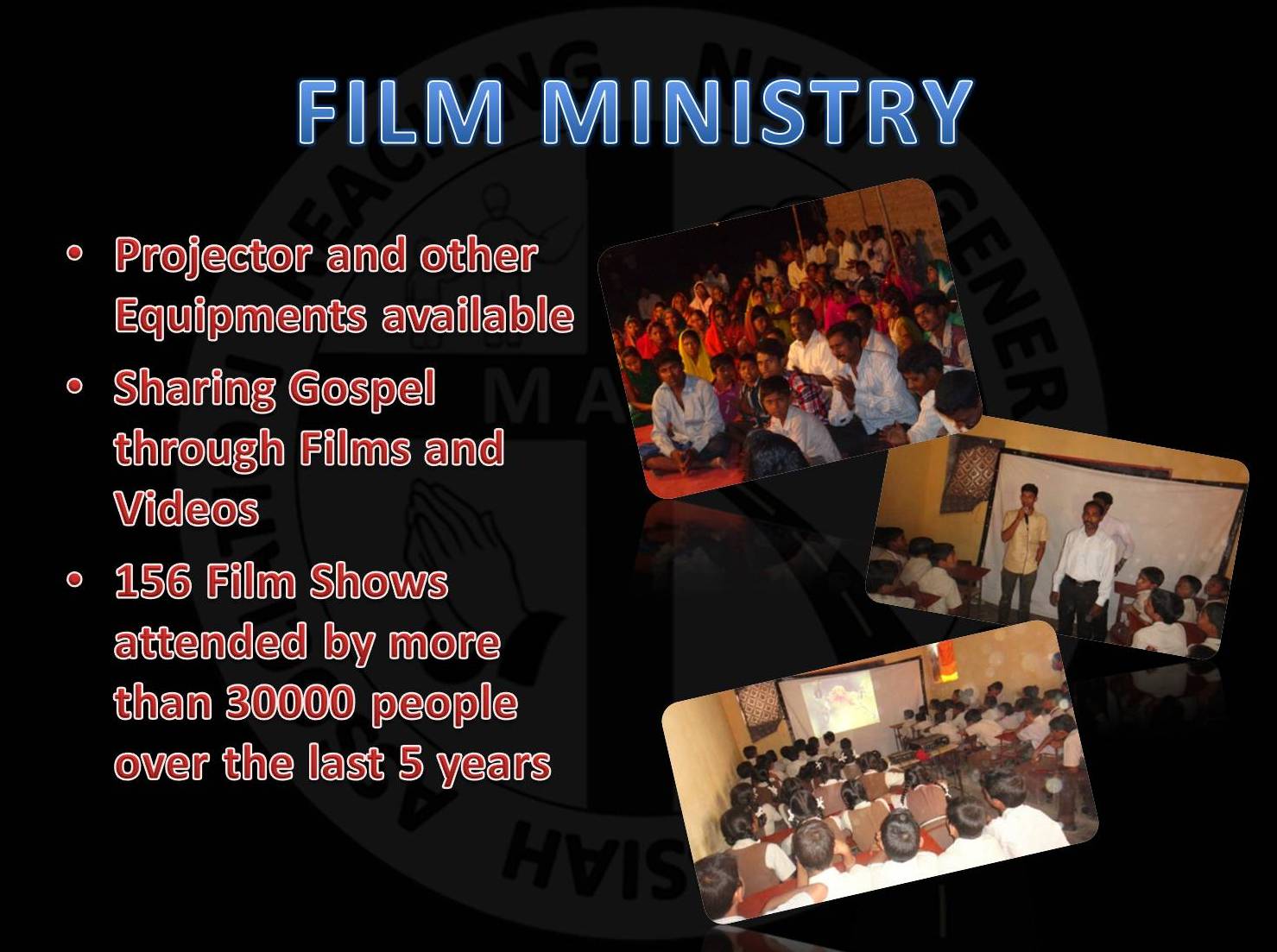
As digital canvases become the new sanctuaries of storytelling, churches are discovering that cinematic language can reframe ancient doctrines, stir dormant curiosity, and invite congregations into a fresh vista of faith experience. The promise of a perspective shift lies not merely in viewing a film, but in the deliberate orchestration of visual narrative within worship, formation, and outreach contexts.
Understanding the Power of Visual Narrative
Film distills complex human emotions into luminous frames, allowing viewers to inhabit scenarios that resonate diegetically with their own spiritual journeys. When a church integrates a carefully chosen clip, it offers a communal lens through which biblical truths can be examined anew. This visual catechesis can dissolve doctrinal abstractions, making them palpable and immediate.
Moreover, the affective gravity of moving images can awaken empathy, prompting congregants to contemplate God’s presence in unfamiliar terrains. By presenting stories of redemption, struggle, and hope, churches can spark curiosity that leads seekers and believers alike to ask deeper questions about purpose, identity, and divine love.
Selecting Films with Theological Resonance
Choosing the right film demands more than a passing familiarity with popular releases. Ministry leaders should seek titles whose thematic cores echo Scriptural motifs—creation, fall, redemption, and restoration. Works that employ allegory, symbolism, or nuanced moral ambiguity often provide fertile ground for theological reflection.
A disciplined screening process involves evaluating narrative arcs, cinematic techniques, and cultural reception. It is beneficial to compile a curated library of excerpts that can be revisited across liturgical seasons, ensuring relevance to sermon series or catechetical modules. By aligning film selections with the church calendar, leaders reinforce doctrinal emphases while continually renewing congregational perspective.
Integrating Film into Liturgical Settings
Strategic insertion of film segments can transform conventional worship services into immersive experiences. For instance, a brief visual prelude can set a contemplative mood, while an interlude after a scripture reading may illuminate a passage’s contemporary implications. The key is to maintain a seamless flow, allowing the visual element to act as an organic extension of spoken word.
When employing full-length films as sermon illustrations, pastors should frame them with contextual cues—brief introductions that articulate the theological question to be explored, followed by reflective pauses that let the audience internalize the imagery. This approach respects the sacred rhythm of worship while leveraging cinema’s capacity to provoke insight.
Facilitating Discussion in Small Groups and Youth Ministry
Beyond the sanctuary, film serves as a catalyst for dialogue within small groups, Bible studies, and youth gatherings. A well‑crafted discussion guide can channel viewer reactions into theological inquiry. Facilitators might pose open‑ended prompts such as, “How does the protagonist’s moral dilemma mirror the tension between flesh and spirit?”
Encouraging participants to map cinematic characters onto biblical archetypes can foster a deeper understanding of personal faith narratives. Interactive exercises—like role‑play reenactments or collaborative storyboard creation—can further solidify learning, making abstract concepts tangible and memorable.
Leveraging Film for Outreach and Evangelism
Churches seeking to engage their surrounding communities can host film‑based events that blend entertainment with invitation. A “Cinema & Conversation” night, featuring a film with clear moral or spiritual themes, followed by a moderated dialogue, creates a low‑pressure environment for seekers.
Such outreach initiatives should be marketed through social media platforms, local bulletin boards, and partnership with community organizations. By offering a space where film‑generated curiosity can be explored without overt doctrinal pressure, churches position themselves as welcoming dialogue hubs, potentially drawing individuals who might never attend a traditional service.
Technical Considerations for Seamless Presentation
A reliable audiovisual setup is paramount. This includes high‑definition projectors, calibrated screen surfaces, and robust sound systems that reproduce dialogic clarity and ambient score richness. Acoustics should be assessed to avoid reverberation that muddles speech.
Technical rehearsals prior to each service can mitigate glitches, ensuring that lighting, captioning, and transition effects align with the intended pacing. Additionally, safeguarding copyright compliance through licensing for public performance protects the church from legal pitfalls and demonstrates respect for creators.
Evaluating Impact and Discerning Future Directions
Assessment of film‑centric ministries should blend quantitative metrics—attendance, engagement rates, survey responses—with qualitative feedback—personal testimonies, observed behavioral shifts. Post‑event debriefs enable leaders to discern which visual narratives ignited curiosity and which fell flat.
Continual reflection, guided by prayer and community input, will inform the evolution of film strategies. As cultural currents shift, churches that remain adaptable, continually curating

