

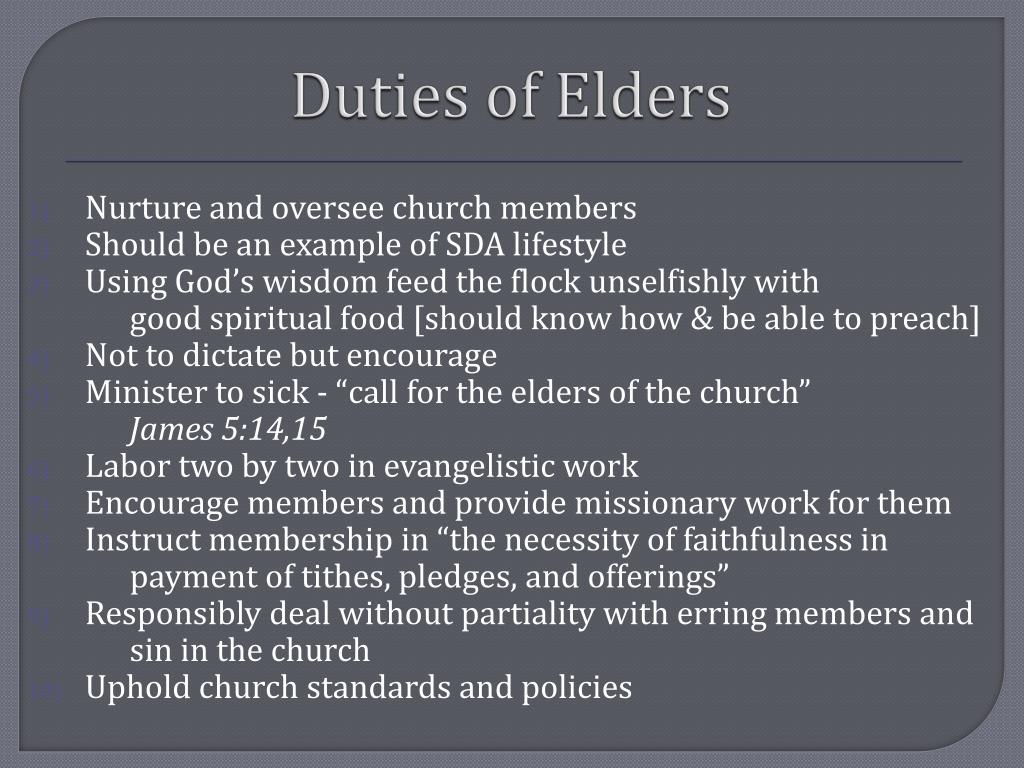
Have you ever wondered what separates a church elder from the rest of the congregation? Is it the silver‑gray hair, the gravitas in the voice, or perhaps a hidden decoder ring that translates divine whispers into actionable wisdom? While the image of a venerable elder conjures a stereotype, the reality is a nuanced tapestry of spiritual stewardship, administrative acumen, and heartfelt service that can both inspire and challenge every community.
Scriptural Foundations and Historical Context
From the earliest days of the apostolic church, the term “elder” (presbyteros) surfaced in the New Testament letters as a mantle of authority woven from both doctrinal depth and pastoral compassion. The epistles of Paul to Timothy and Titus enumerate qualifications that echo the timeless virtues of blameless character, disciplined family life, and a robust grasp of sound doctrine. Historically, the office functioned as a bridge between the charismatic gifts of prophets and the institutional structure of bishops, forming a synod of seasoned guides who could shepherd flocks through both tranquil pastures and stormy controversies. Understanding this lineage invites congregations to see elders not as relics but as living vessels of an enduring tradition that continues to shape communal identity.
Spiritual Oversight and Liturgical Custodianship
At the heart of an elder’s calling lies the stewardship of sacred rites. Elders are often tasked with ensuring that worship remains a hierophanic experience—a manifestation of the holy within ordinary moments. This custodianship extends beyond the mere logistics of arranging hymns; it encompasses a vigilant guardianship of liturgical integrity, preserving the balance between reverence and relevance. By curating prayers, overseeing sacraments, and coordinating seasonal observances, elders help the community attune to the rhythmic pulse of faith, ensuring that every仪式 resonates with the living presence of the divine.
Pastoral Care and Paracletic Counsel
When a member grapples with grief, illness, or existential doubt, the elder becomes a paraclete—a legal advocate in the courtroom of the soul. The role requires a delicate interplay of empathy and discretion, offering counsel that is both biblically grounded and contextually sensitive. Through home visits, confidential conversations, and prayerful accompaniment, elders provide a stabilizing force that nurtures emotional resilience. Their presence is akin to a lighthouse keeper: steady, visible, and ready to illuminate hidden rocks before a vessel founders.
Governance, Fiduciary Duties, and Administrative Prudence
Beyond spiritual ministry, elders shoulder fiduciary responsibilities that safeguard the congregation’s temporal welfare. From managing budgets and property maintenance to overseeing volunteer programs, they act as custodians of the church’s assets, both tangible and intangible. Effective governance demands transparency, strategic planning, and an ethic of stewardship that aligns material resources with the church’s mission. In this arena, an elder’s decision—often a judicious blend of prudence and prophetic imagination—can determine whether a ministry flourishes or falters.
Teaching, Discipleship, and Doctrinal Integrity
Education forms a cornerstone of elder responsibilities. Through Bible studies, sermons, and mentoring circles, elders transmit theological insights that anchor believers in orthodoxy while encouraging critical engagement with contemporary issues. Their teaching style may vary: some favor exegetical depth, diving into Greek participles and historical context; others adopt narrative pedagogy, weaving scriptural stories into personal testimonies. Regardless of method, the goal remains the cultivation of mature disciples capable of articulating faith with clarity and defending it against heterodox currents.
Conflict Resolution and Community Harmony
Every fellowship, no matter how harmonious, encounters tensions that threaten unity. Elders are frequently called to mediate disputes, acting as mediators who listen, discern, and propose solutions grounded in Scripture and mutual respect. Their approach may involve restorative practices—facilitating dialogues that repair relationships rather than merely adjudicating blame. By fostering a culture of forgiveness and accountability, elders help the community navigate crises without succumbing to division, preserving the collective witness of the church.
Personal Piety, Formation, and Continuous Discernment
The elder’s own spiritual journey is not a static credential but a perpetual process of formation. Regular prayer, fasting, and participation in spiritual retreats sustain an inner life that can sustain others. Many denominations encourage elders to engage in ongoing theological education, ensuring that their insights remain fresh and adaptable. This commitment to continual discernment enables them to recognize the subtle movements of the Spirit within evolving cultural landscapes, preventing doctrinal stagnation.
The Tensions and Potential Challenges
Yet the lofty expectations placed on elders can create friction. When a seasoned elder’s personal convictions clash with a younger generation’s innovative ideas, the crucible of faith can become a test of patience and humility. Moreover, the weight of administrative duties sometimes crowds out time for direct pastoral care, leaving elders feeling stretched thin. Congregations may also wrestle with the paradox of respecting authority while encouraging critical dialogue. Acknowledging these challenges openly invites collaborative solutions—shared leadership, empowered committees, and a culture of mutual support that distributes responsibilities more equitably.
Closing Reflections and Call to Collaborative Ministry
In the grand narrative of ecclesial life, an elder is both a compass and a cornerstone—a figure who points the way forward while bearing the weight of tradition. Their duties, ranging from custodianship of worship to stewardship of resources, form a mosaic that reflects the multifaceted mission of the church. For congregations eager to honor this office, the invitation is clear: invest in the formation of elders, entrust them with genuine authority, and celebrate the humility required to serve. When elders and laity walk hand‑in‑hand, the community becomes a living testimony of grace, a place where questions are welcomed, challenges are met with courage, and faith flourishes in both word and deed.

