

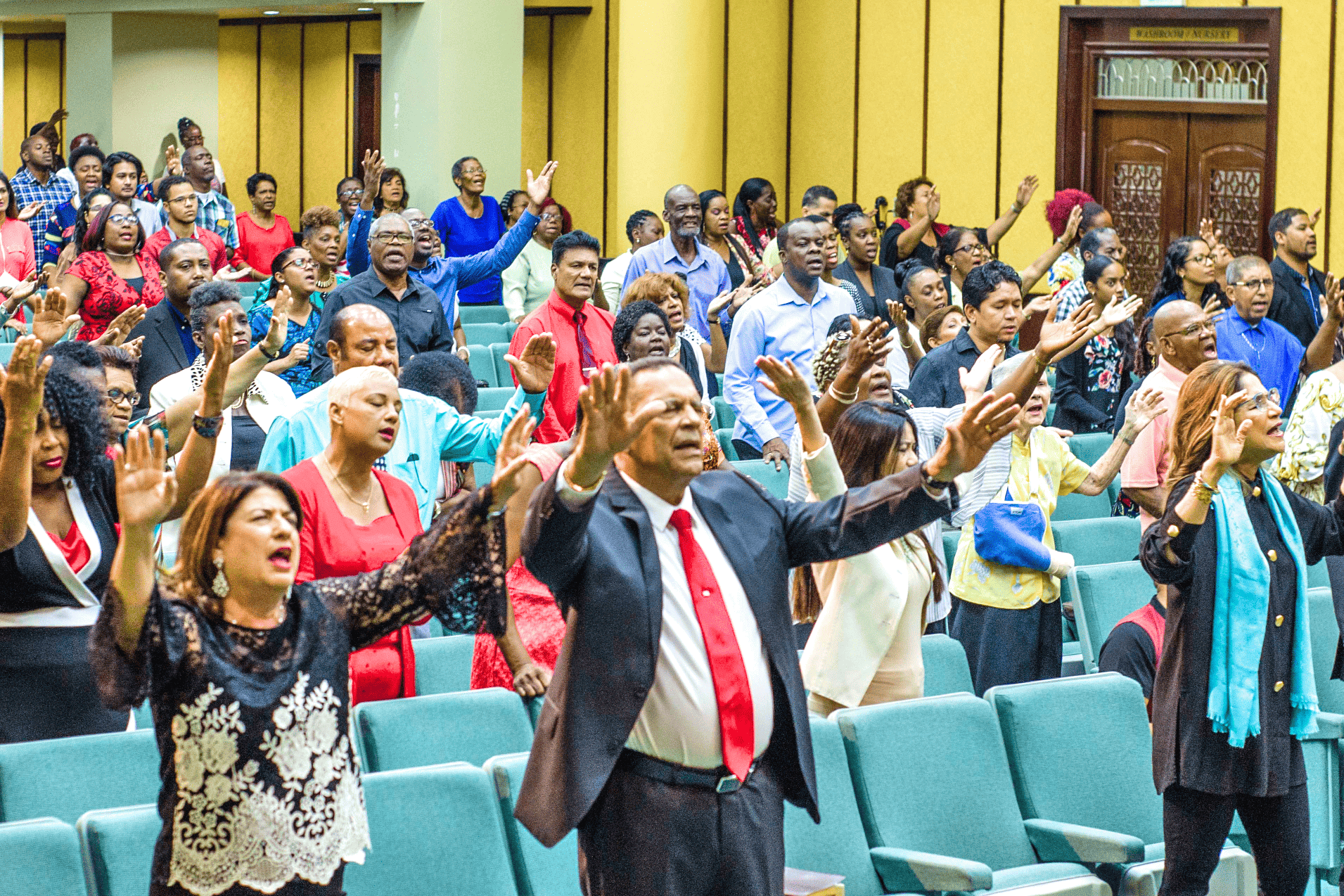
Imagine a church not as a fortress of solitude, but as a vibrant garden where each believer is a seed—capable of sprouting into a towering tree of faith, bearing fruit that nourishes the world. A church revival campaign is not merely an event; it is the seasonal rain that awakens dormant potential, the gentle breeze that stirs the soil of collective hearts, and the sunlight that reveals the path forward. But how do we transform a congregation from passive spectators into active participants in this spiritual awakening? The answer lies not in coercion, but in invitation—crafting a movement where every voice matters, every hand is extended, and every heart is ignited.
The Soil of Shared Vision: Planting the Seed of Purpose
Before a revival can bloom, the ground must be prepared. This begins with casting a vision so vivid that it lingers in the minds of the congregation like the scent of rain before a storm. A vision is not a slogan; it is a story. It is the tale of a church that once stood still, now awakening to its true calling. It is the narrative of a people who were once spectators, now becoming architects of a divine renaissance.
To involve the congregation, this vision must be co-created. Leaders should not merely announce a campaign from the pulpit; they should invite the people into the drafting of its purpose. Host vision-casting sessions where members share their dreams for the church. Use metaphors that resonate—perhaps comparing the revival to a river, where each tributary (member) contributes to the flow of God’s presence. When people see their fingerprints on the vision, they no longer feel like guests in the story; they become the storytellers.
From Spectators to Soldiers: Mobilizing the Congregation
Engagement is not a spectator sport. A revival campaign must transition members from the pews to the trenches of active participation. This requires dismantling the illusion that ministry is reserved for the “spiritually elite.” Every believer, regardless of age or tenure, has a role to play. The key is to identify and activate latent talents within the congregation.
Consider the metaphor of a symphony orchestra. The revival is the grand performance, but it requires not just the conductor (pastor) and the soloists (ministry leaders), but the entire ensemble—each playing their part in harmony. Some may lead worship, others organize outreach, and a few might simply pray fervently in the background. The campaign should offer multiple entry points, ensuring that even the quietest voice finds a place to resonate. When people discover their unique contribution, they move from passive attendance to passionate ownership.
The Fire of Fellowship: Kindling Connections That Ignite
Revival is not a solo endeavor; it thrives in the crucible of fellowship. The congregation must become a family of faith, where bonds are forged not just in Sunday services, but in the daily rhythms of life. Small groups, prayer circles, and service teams should be the lifeblood of this movement. These micro-communities become the kindling that keeps the revival flame alive between gatherings.
Metaphorically, think of the congregation as a constellation. Each star (member) shines brightly on its own, but when aligned, they form a pattern that guides others home. Leaders should foster environments where vulnerability is celebrated, where struggles are shared, and where victories are celebrated collectively. A revival campaign is not just about individual awakening; it is about the collective awakening of a people who realize they are stronger together than apart.
Rituals of Renewal: Sacred Moments That Deepen Commitment
Human beings are creatures of habit, and our spirits thrive on ritual. A revival campaign should be punctuated with sacred moments that mark progress and deepen commitment. These could be weekly prayer vigils, fasting challenges, or even symbolic acts like planting a tree or writing a letter to one’s future self. Each ritual serves as a milestone, a reminder that this journey is not just a sprint, but a pilgrimage.
Consider the metaphor of a pilgrimage. Just as ancient travelers marked their path with cairns (stacked stones), so too should the congregation leave behind tangible reminders of their spiritual progress. These rituals do more than reinforce discipline; they weave the campaign into the fabric of the church’s identity, making revival a living, breathing part of its DNA.
The Echo of Testimony: Amplifying Stories of Transformation
Nothing stirs the heart like a story of transformation. A revival campaign should be a platform for testimonies—both big and small. Encourage members to share how they’ve encountered God in new ways, whether through answered prayers, healed relationships, or renewed purpose. These stories are not just anecdotes; they are the heartbeat of the revival, proof that God is at work.
Metaphorically, testimonies are like echoes in a canyon. Each one reverberates, bouncing off the walls of doubt and unbelief, and returning to the teller and the listener with greater clarity. When the congregation hears how God is moving in the lives of their peers, it ignites a contagious hope. Leaders should create spaces—whether in services, newsletters, or social media—for these stories to be shared, ensuring that no voice is left unheard.
Sustaining the Spark: From Campaign to Lifestyle
A revival campaign should not be a fleeting moment, but the spark that ignites a lifelong flame. The challenge lies in transitioning the energy of the campaign into the daily rhythms of the church. This requires intentional follow-through—regular check-ins, continued small group engagement, and leadership development that equips members to carry the torch forward.
Think of the campaign as the ignition of a wildfire. Left unattended, it could die out; but with careful tending, it can spread across the land, transforming the landscape for generations. The goal is not just to host a successful event, but to cultivate a culture of revival where the congregation is perpetually hungry for more of God’s presence. Leaders must model this hunger, demonstrating that revival is not a one-time experience, but a way of life.
In the end, involving the congregation in a revival campaign is about more than filling seats or boosting attendance. It is about awakening a sleeping giant—a church that rises from its slumber to fulfill its divine mandate. When every member is engaged, every voice is heard, and every heart is aflame, the revival is not just a campaign; it is a revolution. And revolutions, by their very nature, are unstoppable.

