

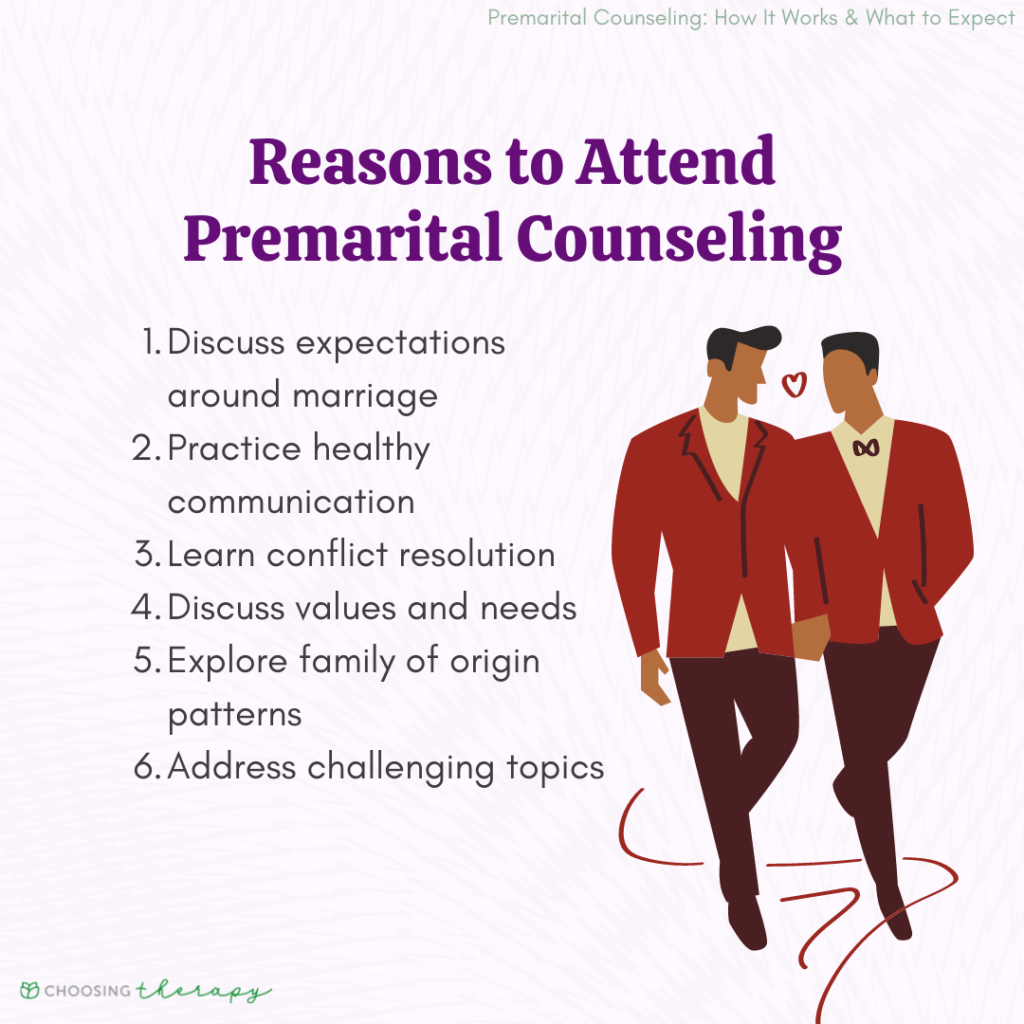
Entering a church premarital counseling session often feels like stepping onto a threshold where two lives are about to be woven into a holy tapestry. Couples frequently arrive with a mixture of curiosity and anxiety, wondering whether the experience will be merely a checklist before the wedding day or something far more transformative. Beneath that surface query lies a deeper fascination: the prospect of discovering how faith, love, and intentional conversation can coalesce into a covenant that endures the ebb and flow of everyday life.
The Covenantal Vision
Church premarital counseling is rooted in a theological belief that marriage is not simply a legal contract but a sacred covenant enacted before God and community. This vision frames every conversation, prayer, and reflection as an act of sanctified partnership. By inviting couples to contemplate their union as a divine calling, the program cultivates a sense of purpose that transcends the mundane and elevates the relationship to a spiritual mission.
Why Churches Offer Premarital Counseling
Congregations have long recognized the need to equip couples with tools for healthy communication, conflict resolution, and shared faith integration. Pastors and lay counselors alike view the program as a preventative measure, aiming to fortify relationships before stressors like finances, family dynamics, or differing expectations take root. The church’s commitment to the well‑being of its members reflects a broader desire to nurture thriving households within the community of believers.
Inside the Session: What Actually Happens
Sessions are typically held in a quiet, reverent space—sometimes the pastor’s study, other times a designated room lined with软垫灯光. The facilitator opens with a brief prayer, invoking wisdom and humility. A typical agenda includes a warm‑up activity, an exploration of each partner’s background, and a guided discussion on a specific theme such as “Communication Patterns” or “Vision for Family Life.” The facilitator might employ a blend of reflective questions, role‑play scenarios, and short scripture readings, encouraging participants to articulate hopes, fears, and expectations openly.
Core Topics That Reshape Relationships
While the curriculum can vary, most church programs address a core set of subjects: effective communication, financial stewardship, intimacy and sexuality, roles and responsibilities, family-of-origin influences, and spiritual unity. Each topic is presented not as a checklist but as a conduit for deeper self‑discovery. For example, a discussion on finances may involve constructing a simple budget together, allowing couples to confront money‑related anxieties while aligning their values. Likewise, a segment on intimacy invites couples to explore emotional connectedness, emphasizing vulnerability as a strength rather than a weakness.
The Pastor as a Sanctified Guide
The counselor—whether a senior pastor, associate minister, or trained layperson—serves as a sanctified guide rather than a clinical therapist. The role is pastoral, infusing biblical wisdom with empathetic listening. The facilitator models active listening, repeats key phrases for clarification, and gently nudges couples toward actionable insights. In doing so, the counselor embodies the church’s ethos of “living epistles,” showing through behavior how love can be expressed in tangible, everyday actions.
Prayer, Scripture, and the Ethereal Atmosphere
A distinctive hallmark of church premarital counseling is the integration of prayer and Scripture. Sessions often close with a joint prayer, inviting the Holy Spirit to illumine the couple’s path. Selected passages—such as Genesis 2:24, Ephesians 5:21‑33, or 1 Corinthians 13—serve as reflective anchors, reminding participants that love is both a gift and a discipline. This ethereal atmosphere fosters an environment where spiritual growth and relational growth intertwine, allowing couples to experience the divine presence as a co‑traveler on their journey.
Anticipated Outcomes and Relational Growth
Couples who engage earnestly often report heightened self‑awareness, clearer communication patterns, and a renewed sense of shared purpose. The program aims to equip partners with conflict‑resolution strategies, fostering resilience against future stressors. Moreover, the relational growth cultivated during counseling can extend beyond the wedding day, influencing parenting styles, community involvement, and long‑term marital satisfaction. The anticipation of such outcomes fuels the deeper fascination that many couples feel as they approach the altar.
Preparing for the Journey Ahead
Before the first session, churches typically recommend several preparatory steps

