

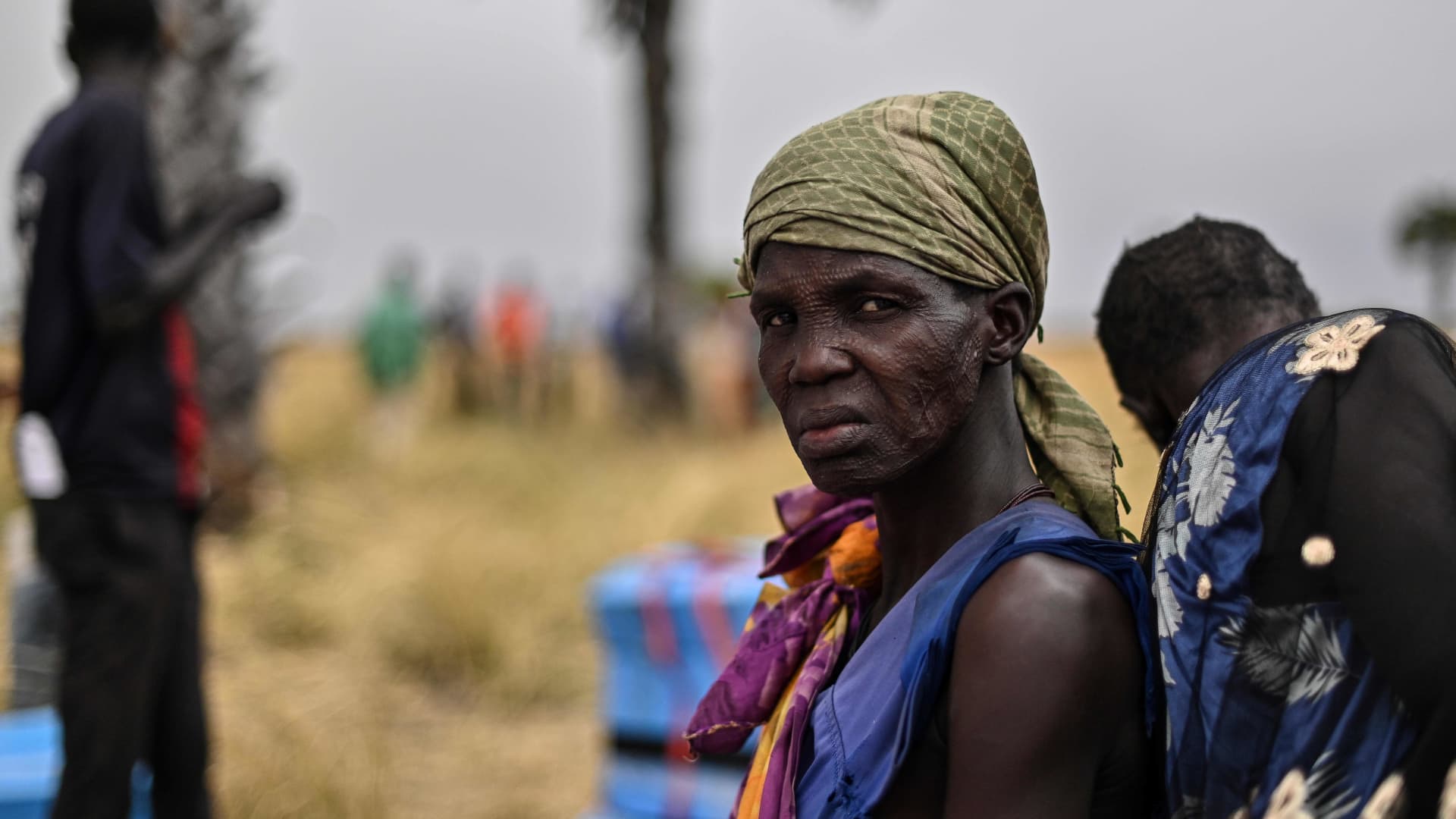
Throughout history, famines have loomed like specters over societies, recalling tales rife with despair and stark hardship. Within the annals of biblical scripture, we encounter narratives that transcend mere historical accounts; they serve as profound illustrations of the human condition. But have you ever paused to ponder: what are famines in the Bible, and how do they resonate with our contemporary experiences? Let us embark on a journey through time and text, unraveling the multi-faceted dimensions of biblical famines.
At first glance, famine in the biblical context emerges as a natural disaster, a severe shortage of food precipitated by drought, adverse weather, or warfare. Yet, as we delve deeper, we unearth layers of meaning and implication, revealing how these events were often interwoven with divine providence and moral lessons. The biblical authors did not merely document these calamities for the sake of history; they were deploying a narrative mechanism that challenged their readers—then and now—to reflect critically upon their faith and resilience in the face of adversity.
Consider the familiar tale from Genesis, where Joseph’s ascent as an Egyptian vizier comes hand in hand with the prophetic foresight of an impending famine. This critical episode underscores a vital tenet: famine serves as a catalyst for change and Deliverance. Joseph, blessed with the ability to interpret dreams, foresees seven years of plenty followed by seven years of famine. His strategic grain storage plan not only saves Egypt but also reunites him with his estranged family. Here, famine is not merely a destructor; it becomes a vehicle for unity and reconciliation. Thus, we see how biblical famine compels us to face challenges with ingenuity and hope.
As we traverse through the text, the biblical Book of Ruth introduces us to another encounter with famine—this time, an invitation to explore themes of dislocation and belonging. Elimelech and his family, seeking sustenance, migrate from Bethlehem to Moab amidst a dire lack of food. The plight of Naomi and her daughters-in-law evokes questions about exile, identity, and the fragility of human circumstances. In this narrative, famine acts as a force demanding adaptability. It compels individuals to reevaluate their allegiances, shed the weights of their comfort zones, and seek sustenance and safety in unforeseen spaces.
Biblical famines also speak to the ethical dimensions of resource distribution. The narrative context of these famines prompts us to reflect upon societal structures and the responsibilities of stewardship. In the story of the widow of Zarephath, amid a devastating drought, the prophet Elijah encounters a destitute woman tasked with preparing her last meal for herself and her son. Challenged to share her meager provisions with Elijah, her act of faith proves pivotal. Her flour and oil miraculously last throughout the famine, highlighting not just her resilience but also the communal ties that sustain society in times of crisis. This lesson resonates even today, urging us to consider how our choices impact our neighbors, especially in the face of widespread scarcity.
Moving on, we cannot overlook the allusion to divine judgment commonly associated with famine in the Bible. Throughout the prophetic texts, famine symbolizes both divine disfavor and a moral correction. The book of Amos proclaims, “Behold, the days are coming, declares the Lord, when I will send a famine on the land— not a famine of bread, nor a thirst for water, but of hearing the words of the Lord.” In this instance, famine serves as a metaphor for spiritual desolation, prompting introspection about humanity’s relationship with the divine. Such imagery invites us to consider the implications of our spiritual nourishment—or lack thereof—in our relentless pursuit of material accumulation.
Yet, what of the future? As we bear witness to contemporary global crises—across climate change, economic disparities, and political upheaval—do we not find ourselves echoing the narratives of biblical famines? Are we destined to repeat history, or can we glean from these ancient lessons? As societies grapple with an array of existential threats, including the haunting specter of famine, the narratives of the Bible extend an invitation for reclamation. They challenge us to kindle a sense of responsibility and solidarity, to act courageously against the threat of famine in our own communities.
In conclusion, exploring the notion of famine in the Bible unveils a tapestry woven with threads of hope, moral conviction, and a clarion call for action. It urges us not only to discern the fragility of existence but also to bolster our resolve to confront such crises head-on. By reframing the ideological fabric of famine—once interpreted solely through a lens of scarcity—we encounter an opportunity to engineer collective resilience. Each famine narrative serves as a reminder of our intertwined fates, catalyzing a commitment to nurture compassion amidst challenge. So, reflect: how will we respond to the famines of our time? In our hands lies the choice to redress the imbalance, sharing resources and refashioning our collective future.

