

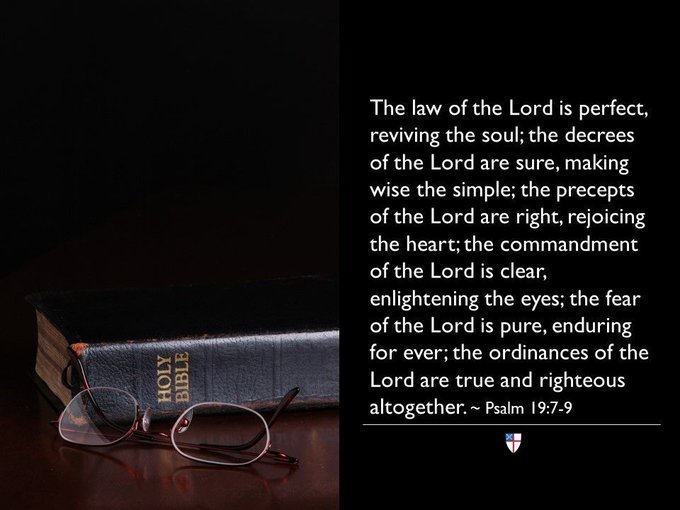
The Episcopal Church, a Christian denomination rooted in the Anglican tradition, portrays a distinctive blend of continuity and evolution in its faith practices and theology. One of the most significant aspects of liturgical practice in this church is the scripture it employs during worship services. Understanding the Bible used within the Episcopal Church unveils a tapestry rich in history, meaning, and community that has shaped the faith of its adherents across generations.
At the heart of Episcopal worship is the Book of Common Prayer, a distinctive liturgical text that serves as a conduit for communal prayer, worship, and scripture readings. This sacred text is not merely a collection of prayers and liturgical instructions; it embodies the ethos of the Episcopal Church, encapsulating its commitment to both tradition and innovation. Central to this book is the use of the Holy Scriptures, and among these, the Bible serves as the cornerstone, invariably leading worshipers through the pulpit and the Eucharist.
Though there are various translations of the Bible accessible to the church, the New Revised Standard Version (NRSV) stands out as the predominant translation utilized in most Episcopal congregations. This version is characterized by its accuracy and inclusivity of language, which resonates deeply with the Episcopal value of reason and reflection. The adoption of the NRSV is a conscious choice; it seeks to uphold the integrity of the original texts while making them accessible, ensuring that the Word remains alive and relevant in contemporary discourse.
Many congregations may also employ the Revised Standard Version (RSV) or the English Standard Version (ESV), each adding its flavor to the liturgy. The selection of these translations often reflects the varying theological inclinations within the church, alongside a commitment to scholarly rigor. This diversity not only mirrors the church’s embrace of pluralism but also presents a unique opportunity for congregants to engage with scripture from multiple angles, inviting an enriching encounter with the divine.
However, it isn’t merely the translation of the Bible that captures the interest of the faithful. The way in which scripture is interwoven into the fabric of worship sends ripples through the liturgical landscape. The Episcopal Church follows a lectionary—essentially a systematic arrangement of scripture passages read during church services throughout the year. This cycle ensures a breadth of biblical knowledge is shared within the community, from the beguiling tales of the Old Testament to the profound teachings of the New Testament.
Seasonal feasts and liturgical periods punctuate the church calendar, each offering unique doctrines and narratives. For instance, as Advent approaches, scripture readings turn toward Messianic prophecies, creating an anticipation that stirs the soul. Similarly, during Lent, the readings invite introspection, challenging congregants to contemplate their spiritual state. In these moments, the lectionary shapes not just individual devotion but also communal identity, reinforcing the bond that exists among Episcopalians.
Moreover, the inclusion of both the Old and New Testaments exemplifies the Episcopal Church’s holistic approach to scripture. It recognizes the Old Testament’s foundational importance to understanding the New Testament, bridging the covenantal narratives of Israel with the life and teachings of Jesus. This theological perspective invites curiosity, urging the faithful to ponder how past and present intertwine, and how they can extract lessons applicable to modern life.
The role of the clergy is also pertinent to any discussion regarding the Bible within the Episcopal Church. Priests and ministers are tasked not only with delivering sermons but also with guiding their congregations through the complexities of biblical texts. Their engagement with scripture aims to illuminate its multifaceted dimensions, drawing out moral, ethical, and spiritual interpretations that resonate on both individual and communal levels. The congregation is thus challenged to delve deeper, transforming the act of listening into an active dialogue with scripture.
What is perhaps most tantalizing about the Episcopal approach to the Bible is its invitation to engage with doubt and inquiry. Unlike some denominations that insist on a literal interpretation, the Episcopal Church encourages its members to wrestle with scripture seriously and thoughtfully. This dynamic fosters intellectual curiosity and personal growth, allowing for a faith that evolves and adapts over time. Questions and uncertainties become fertile ground for spiritual exploration rather than grounds for exclusion.
Thus, the Bible used within the Episcopal Church is not merely an ancient text; it is a living document that continues to inform and inspire. It challenges believers to expand their horizons, prompting them to grapple with profound truths against the backdrop of contemporary concerns like social justice, ecological stewardship, and interfaith dialogue. This ideal of an expansive faith invites practitioners to engage actively with the text, cultivating a spiritual environment rich with inquiry and discovery.
In conclusion, the Bible utilized in the Episcopal Church is a reflection of the church’s deep commitment to tradition, intellectual inquiry, and community. Engaging with the various translations and the cycles of lectionary readings allows congregants to explore their faith from diverse perspectives, fostering a robust understanding of scripture. As Episcopalians gather weekly in worship, they are invariably reminded that the sacred words of the Bible remain ever-relevant, imbued with a promise to shape their lives and communities in exceedingly transformative ways.

