

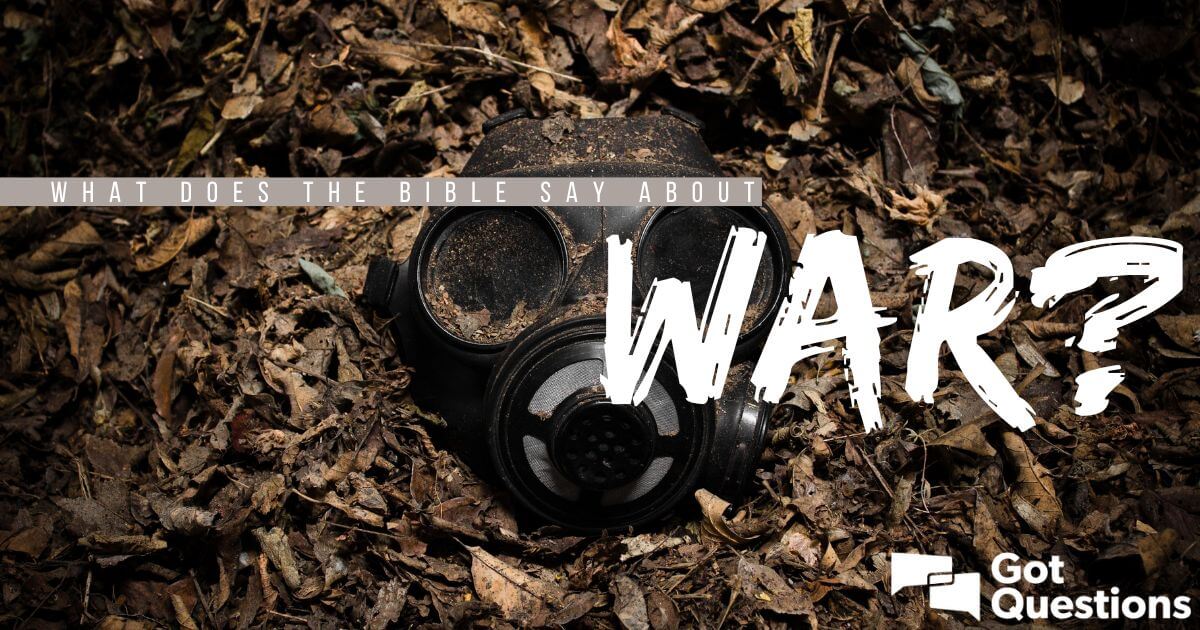
The intricacies of biblical teachings about war and killing reveal a complex tapestry of theology, ethics, and human behavior. Throughout scripture, the topic is interwoven with cultural, historical, and spiritual threads that provide guidance and provoke deep contemplation. This exploration invites readers to engage with a profound narrative that underlines the sanctity of life while acknowledging the harsh realities of human conflict.
To grasp the biblical perspective, one must first recognize the historical context in which these texts were written. The Bible is replete with accounts of wars and conflicts, from the ancient Israelites’ conquests in the Promised Land to the cultural clashes of the New Testament era. In many instances, war is depicted as a necessary evil, a means to achieve divine justice or fulfill prophetic destinies. For instance, in the narratives of Joshua, the Israelites are commanded to engage in warfare as they claim their land—a divine mandate that raises questions about moral imperatives versus human agency.
Moreover, the Old Testament, particularly the books of Exodus and Deuteronomy, articulates laws that govern warfare. These regulations seek to delineate ethical conduct on the battlefield, emphasizing aspects like the treatment of captives and the prohibition of wanton destruction. Deuteronomy 20:19-20 underscores this notion, instructing the Israelites not to cut down trees during a siege unless they are necessary for sustenance, thus promoting a kind of ecological mindfulness even amidst chaos.
In contrast to the narratives of military conquests, the New Testament introduces a paradigm shift, advocating for peace and reconciliation. Jesus’ teachings, particularly the Sermon on the Mount, illuminate a stark call to love one’s enemies (Matthew 5:44) and to turn the other cheek (Matthew 5:39). This radical approach stands in stark juxtaposition to the war-centric ethos observed in earlier texts, prompting readers to ponder the transformative power of love in the face of violence.
The juxtaposition of these teachings prompts fervent discussions among theologians and scholars regarding the ethics of war, often leading to the development of Just War Theory. This framework sets forth criteria under which engaging in war could be justified, including notions of last resort and proportionality. Engaging critically with these concepts fosters a nuanced understanding, challenging the dichotomy of ‘just’ versus ‘unjust’ wars while encouraging introspection into the complexities of contemporary conflicts.
Additionally, the Bible does not shy away from depicting the grim realities of war—the loss, suffering, and trauma it inflicts on individuals and communities. The Book of Lamentations, for instance, offers haunting reflections on the devastation experienced during war, emphasizing the emotional and spiritual aftermath that transcends military victories. This acknowledgment serves as a poignant reminder that killing in war inevitably leads to loss, grief, and moral reckoning.
In brightness to this somber reality, there exists a salvific thread woven throughout scripture, beckoning readers to envision a future of peace. Prophetic texts, such as Isaiah 2:4, herald a time when swords will be turned into plowshares, symbolizing a potent hope for reconciliation and renewal. This theme tantalizingly teases the mind, urging a profound consideration of how the ethos of peace can be actualized in a fractured world.
Ultimately, the biblical discourse on killing in war compels individuals to engage with profound moral and existential questions. How does one reconcile the call to defend oneself or one’s community with the sanctity of life? What divine principles can guide decisions in an age riddled with conflict? Delving into these narratives reveals a labyrinth of ethical dilemmas and spiritual awakenings, inviting believers and seekers alike to reexamine their understandings of justice, mercy, and the overarching pursuit of peace in a tumultuous world.

