

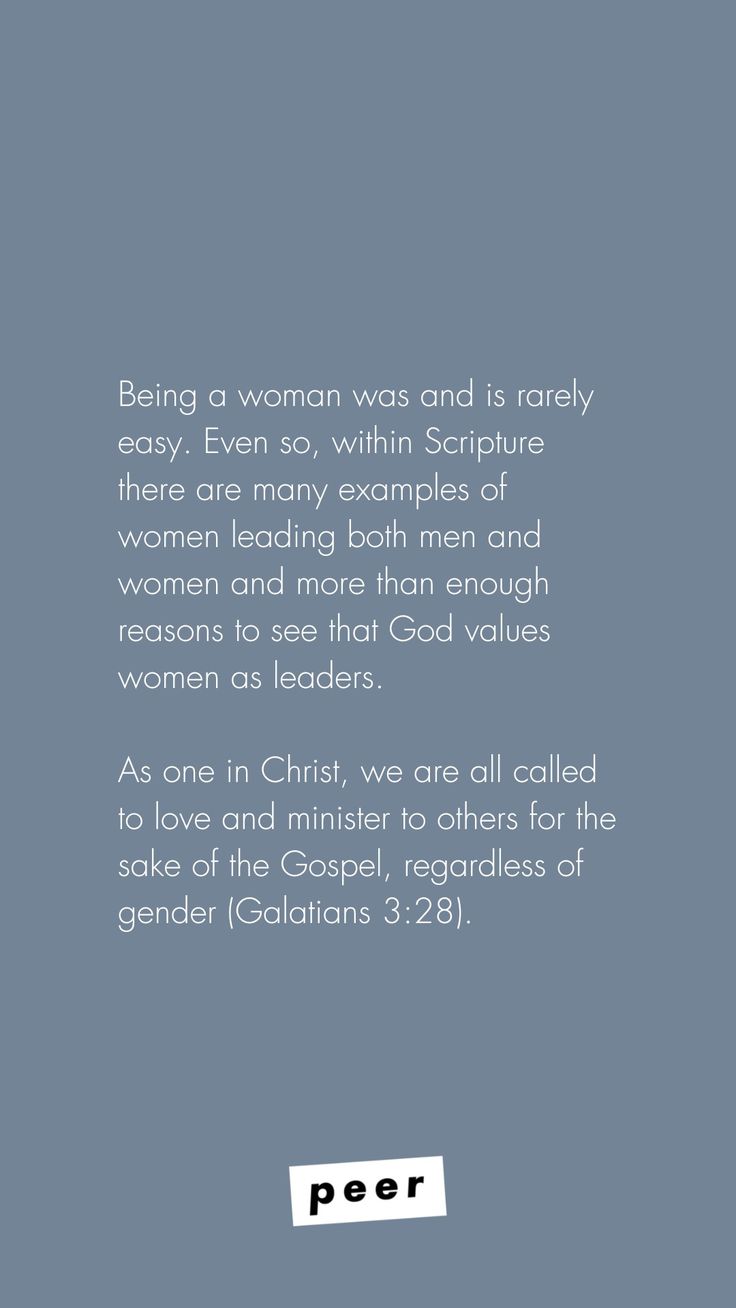
The role of women in leadership, particularly within a biblical context, is a compelling subject that resonates through the corridors of both scripture and contemporary society. Historical interpretations and evolving cultural norms have resulted in varying perspectives on female leadership in ministry. This exploration aims to uncover the multifaceted views within the Bible regarding women as leaders, the scriptural references that support this, and the social implications in today’s world.
To initiate this discourse, it is imperative to consider the notable women of the Bible who exemplify leadership qualities. Figures such as Deborah, Esther, and Phoebe embody characteristics of strength, wisdom, and courage. Deborah, a prophetess and judge, led Israel with incisive insight and unwavering resolve, proving that divine appointments transcend gender. Esther, through her strategic acumen, orchestrated an influential intervention that safeguarded her people, demonstrating the impact of female leadership. Similarly, Phoebe is recognized as a deaconess in the early church, indicating that women actively participated in ecclesiastical roles.
Scriptural references within the New Testament further illuminate the early church’s acceptance of women in leadership. In Galatians 3:28, Paul states, “There is neither Jew nor Gentile, neither slave nor free, nor is there male and female, for you are all one in Christ Jesus.” This declaration asserts the equal standing of all believers, dismantling barriers that might inhibit the leadership capabilities of women. The Acts of the Apostles presents narratives of women who were instrumental in the spread of the Gospel, highlighting their role in ministry and community leadership.
Notably, the Great Commission extends to all disciples, urging men and women alike to evangelize and nurture faith. This call to lead encompasses various dimensions, challenging the conventional paradigms that often confine women to subordinate positions within ministry. The implications of this biblically grounded equality resonate powerfully in the current landscape of church leadership, where many congregations actively seek to embrace and empower female leaders.
Despite these affirmative biblical representations, there exists a discord between scripture and tradition. Certain interpretations of passages, such as 1 Timothy 2:12, have often been utilized to argue against the idea of women in authoritative roles within the church. These texts have fueled longstanding debates around the legitimacy of female leadership. Contextual examination reveals that such verses need to be understood through historical and cultural lenses, taking into account the societal norms of the time. Thus, an exploration into the original Greek and Hebrew can provide additional clarity, revealing nuances that may have been overlooked.
The conversation surrounding women as leaders in ministry continues to evolve. Contemporary movements within various denominations advocate for increased inclusivity, embracing women not only as leaders but also as visionaries shaping the future of the church. As society progresses, the dialogue surrounding gender roles in ministry persists, compelling theologians, lay leaders, and congregants to revisit scripture with fresh eyes.
In conclusion, the Bible presents a rich tapestry of narratives and teachings regarding female leadership. Despite traditional challenges, both the Old and New Testaments affirm the capacity of women to lead, guide, and inspire faith communities. The path forward must involve a conscious reclamation of these biblical truths, fostering an environment where female leaders are not only recognized but celebrated for their contributions to ministry and beyond.

