

In the realm of biblical symbolism, a cistern stands as a profound emblem of sustenance, desolation, and the intricate relationship between humanity and the Divine. Often depicted throughout the scriptures, this ancient structure elicits both a tangible and metaphorical examination of our spiritual and physical reliance on water. The primary function of a cistern—harvesting rainwater to sustain life—is a reflection of deeper narratives that inform the human experience in its pursuit of sustenance, both literal and metaphorical.
A cistern, at its most basic definition, is an artificial reservoir designed for the collection and storage of water. In a landscape where rainfall can be sporadic and unpredictable, these subterranean wells ensured communities thrived, symbolizing human ingenuity and resilience. However, these reservoirs also present contrasts; while they are vital for life, they are also susceptible to stagnation and contamination. This duality is particularly resonant in scriptural contexts where water—the purveyor of life—can become a metaphor for spiritual barrenness when it is not managed or cleaned.
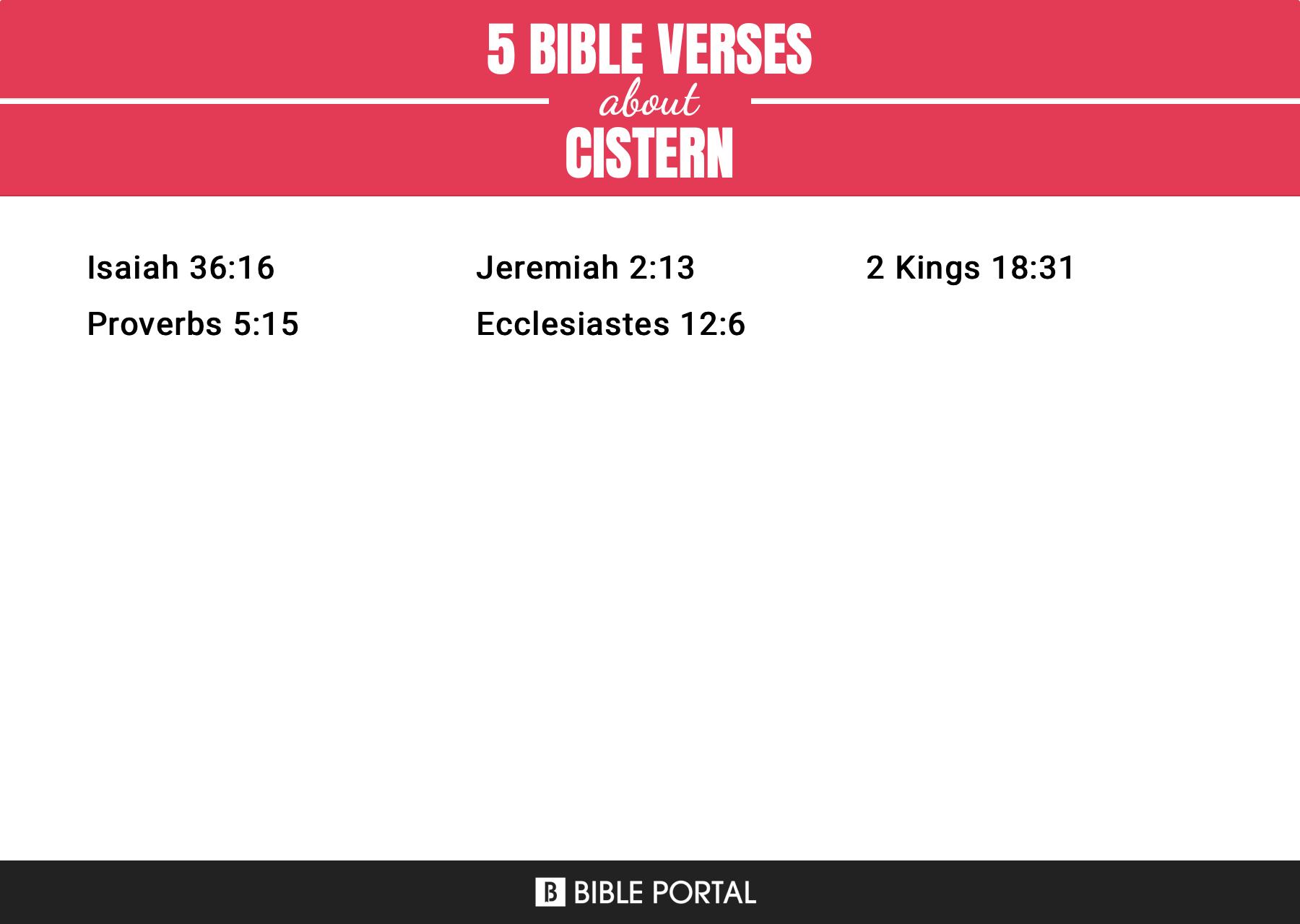
In the Bible, the imagery surrounding cisterns serves multiple purposes, often indicating a contrast between the living water provided by God and the stagnant, often brackish water collected in man-made cisterns. The distinction becomes markedly clear in Jeremiah 2:13, where it states, “For my people have committed two evils: they have forsaken me, the fountain of living waters, and hewed them out cisterns, broken cisterns, that can hold no water.” Here, God laments the choice of His people to pursue ephemeral sources of satisfaction instead of relying on the eternal source that He offers. The broken cistern here symbolizes the futility of human efforts when they stray from Divine sustenance.
This poignant contrast serves as a reminder of humanity’s tendency to seek fulfillment in transient things. The broken cistern becomes a metaphor for those pursuits that cannot provide genuine nourishment. In a spiritual sense, engaging with the world without the anchorage of faith results in a desiccating thirst, an insatiable craving for something profound. Just as a broken cistern cannot retain water, a life devoid of divine connection cannot sustain spiritual vitality.
Moreover, the significance of cisterns in Biblical narratives often extends into themes of judgment and redemption. The account of Joseph in Genesis exemplifies this notion. When betrayed by his brothers, Joseph was cast into a cistern—a dark, confined space that serves as a profound symbol of despair and isolation. This cistern not only functions as the vessel of his temporary entrapment but also foreshadows his eventual deliverance. It underscores that even in the deepest, most confining circumstances, hope can emerge and lead to redemption. The cistern thus transforms from a site of despair to a pivotal point in a journey toward divine fulfillment and purpose.
Another compelling example can be observed in the account of the Samaritan woman at the well, found in John 4. Jesus encounters her at Jacob’s well—a natural cistern of sorts—and engages her in conversation. Here, the dialogue transcends the physical need for water; it evolves into a discussion of living water that quenches eternal thirst. This narrative deftly illustrates the transition from a reliance on earthly cisterns—those wells of the world—toward embracing the life-giving presence of Christ. The cistern serves as a backdrop for enlightenment; it mirrors the human condition of searching and desiring something beyond mere sustenance.
Interestingly, cisterns can also represent the weight of history and the collective experiences of faith communities. Each cistern dug into the earth carried with it the stories of generations who depended on its water for survival. This historical attachment resonates in the hearts of those who read these verses today. The cistern, laden with memories of struggle and sustenance, becomes a testament to the perseverance of faith throughout trials and tribulations. In the heat of drought, the image of a filled cistern speaks volumes to the need for rediscovery and reverence of divine provision.
Furthermore, from an environmental perspective, cisterns are emblematic of sustainable practices and the importance of stewardship over natural resources. The biblical sense of caring for the earth aligns with contemporary discussions on water conservation and sustainable living. The act of constructing cisterns reflects a profound understanding of ecological cycles and the importance of utilizing available resources responsibly. In a world grappling with climate change, the lesson of moderation and resourcefulness echoes loudly, rooted in these ancient practices found within biblical narratives.
Ultimately, the poetic resonance of cisterns in the Bible is multifaceted. They encapsulate human longing, serve as metaphors of spiritual yearning, and remind us of the balance between reliance on earthly versus heavenly sustenance. Illustrated through various narratives, the portrayal of cisterns resonates with contemporary audiences, interpreting ancient wisdom through modern lenses. Just as the ancient Israelites strived to fill their cisterns with rainwater, so too do individuals today seek to fill their souls with purpose and meaning. In the quest for the living water offered by the Divine, the cautionary tales of broken cisterns persist, urging humanity toward a deeper, more profound relationship with the eternal source of life.

