

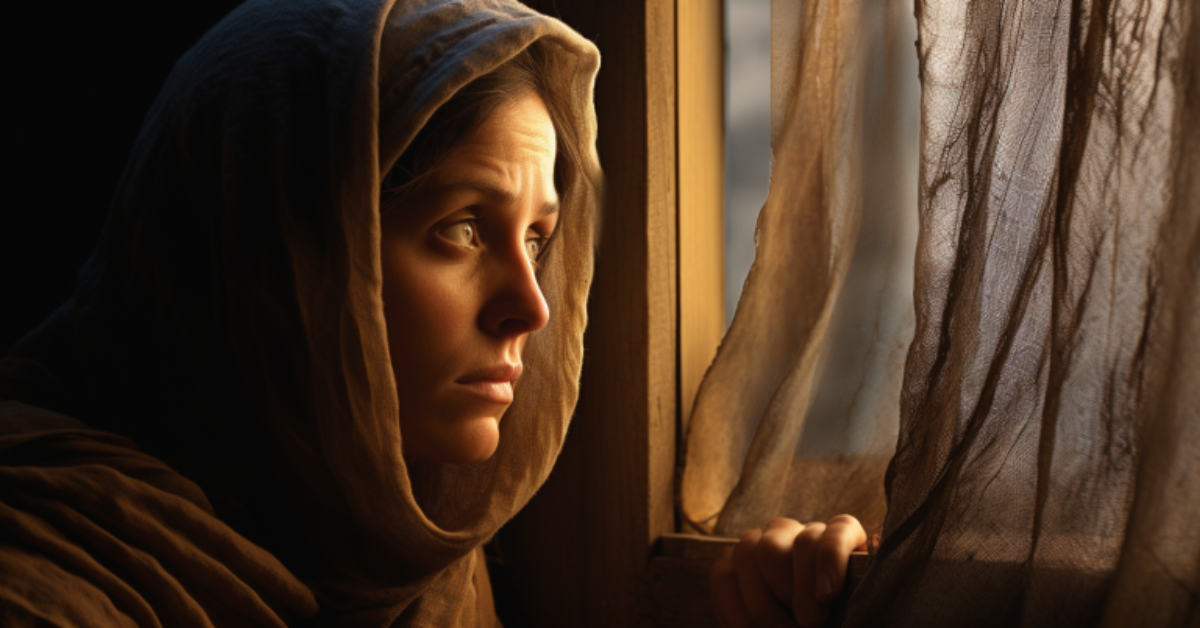
In the tapestry of life, widows represent a poignant thread woven through the fabric of society, illuminating the profound truths surrounding loss, resilience, and divine providence. The Bible offers rich narratives and teachings that underscore the role of widows, portraying them not merely as figures of sorrow but as paragons of strength and faith.
The concept of widowhood is steeped in historical and cultural significance. In ancient times, a widow often faced daunting challenges, left to grapple with her immediate vulnerability and societal marginalization. Such a state of existence could be likened to a tree stripped bare in winter, its barren branches shivering under the weight of solitude. Despite this desolation, the Scriptures reveal a different perspective—one that elevates widows to a status of divine favor and moral authority.
Throughout the Holy Scriptures, God’s directives often prioritize the care and protection of widows. The Torah, in particular, presents a moral imperative: “You shall not mistreat any widow or orphan” (Exodus 22:22). This admonition resonates with the essence of justice, highlighting that societal indifference toward the vulnerable is a grievous offense against the divine order. The exhortation serves as a reminder that within the realm of human relationships, compassion must be extended to those who have suffered profound loss.
Consider the story of Naomi and Ruth. These two women, thrust into the turmoil of widowhood, exemplify resilience and loyalty. Naomi, bereft of her husband and sons, returns to Bethlehem a shadow of her former self. Yet, it is Ruth—the Moabite widow—who emerges as the embodiment of loyalty. Her declaration, “Where you go, I will go; where you lodge, I will lodge. Your people shall be my people, and your God my God,” (Ruth 1:16) encapsulates a narrative of unwavering devotion that transcends culture and lineage. Together, they navigate the stormy seas of desolation, finding favor with God along their path.
Ruth’s eventual marriage to Boaz speaks volumes about divine providence. This union not only restores her dignity but also intertwines her lineage with that of King David, solidifying her place in the messianic lineage. Herein lies the crux of the biblical narrative surrounding widows: from desolation, a new beginning emerges. They become conduits of divine restoration, bearing witness to the redemptive power that often accompanies profound loss.
The New Testament enchants us further with the portrayal of widows. In the Gospels, Jesus himself draws attention to the widow’s mite, an emblem of humble generosity. Her meager offering, far less than the contributions of the wealthy, is celebrated in Mark 12:43-44, as Jesus declares, “This poor widow has put more into the treasury than all the others.” This narrative elevates the widow’s position, illustrating that genuine faith and devotion are not measured by the abundance of one’s material wealth, but by the sacrifices made in the name of love and dedication. Through her actions, she articulated a profound truth: spiritual richness often thrives in the soil of acute poverty.
Moreover, the epistles echo a strong call to congregational care for widows. Paul, in his letters, elucidates the importance of honoring and providing for widows within the church community. Instruction is given on how to identify true widows—those who are genuinely in need—while commending their integral role in the ecclesial body. The Apostle’s letters empower widows, acknowledging them not as mere casualties of circumstance, but as active participants in the life of faith. It is a narrative that requires both recognition and action, as communities are called to embody the compassion characteristic of Christ, ensuring that the needs of widows are met with urgency and kindness.
In contemplating widowhood, it is crucial to examine the metaphorical dimension—the widow as a symbol of vulnerability juxtaposed with strength. Like a fragile flower that blooms in adversity, widows reflect the resilience of the human spirit. Each widow holds a story etched in pain, yet also inked with the ink of hope. They remind us that life, despite its tempests, harbors the possibility of renewal. Thus, the biblical witness calls not only for compassion but also for a re-examination of our understanding of strength: true fortitude is found not in the absence of grief but in the perseverance through it.
The journey alongside widows invites a broader societal reflection. How often are those experiencing loss neglected within our communities? Often, they are the unsung heroes, navigating a labyrinth of grief while still aspiring to forge connections and find purpose. Their stories, rich in both sorrow and resilience, command a response from those around them. This divine call is not one of mere obligation but an opportunity to embody the very heart of God’s love—a love that seeks out the lost and cherishes the broken.
In conclusion, the biblical narrative surrounding widows serves as both a balm for the afflicted and a clarion call to the collective conscience of humanity. Their lives illustrate that within the shadows of death and despair lie the seeds of renewal. As we delve into their stories, may we find inspiration to act justly, love mercifully, and walk humbly alongside our fellow travelers in this earthly sojourn, particularly those who carry the mantle of widowhood. Through their testimonies, we may discover the profundity of grace that lies in embracing life’s fragility while nurturing the indomitable spirit that rises from ashes.

