

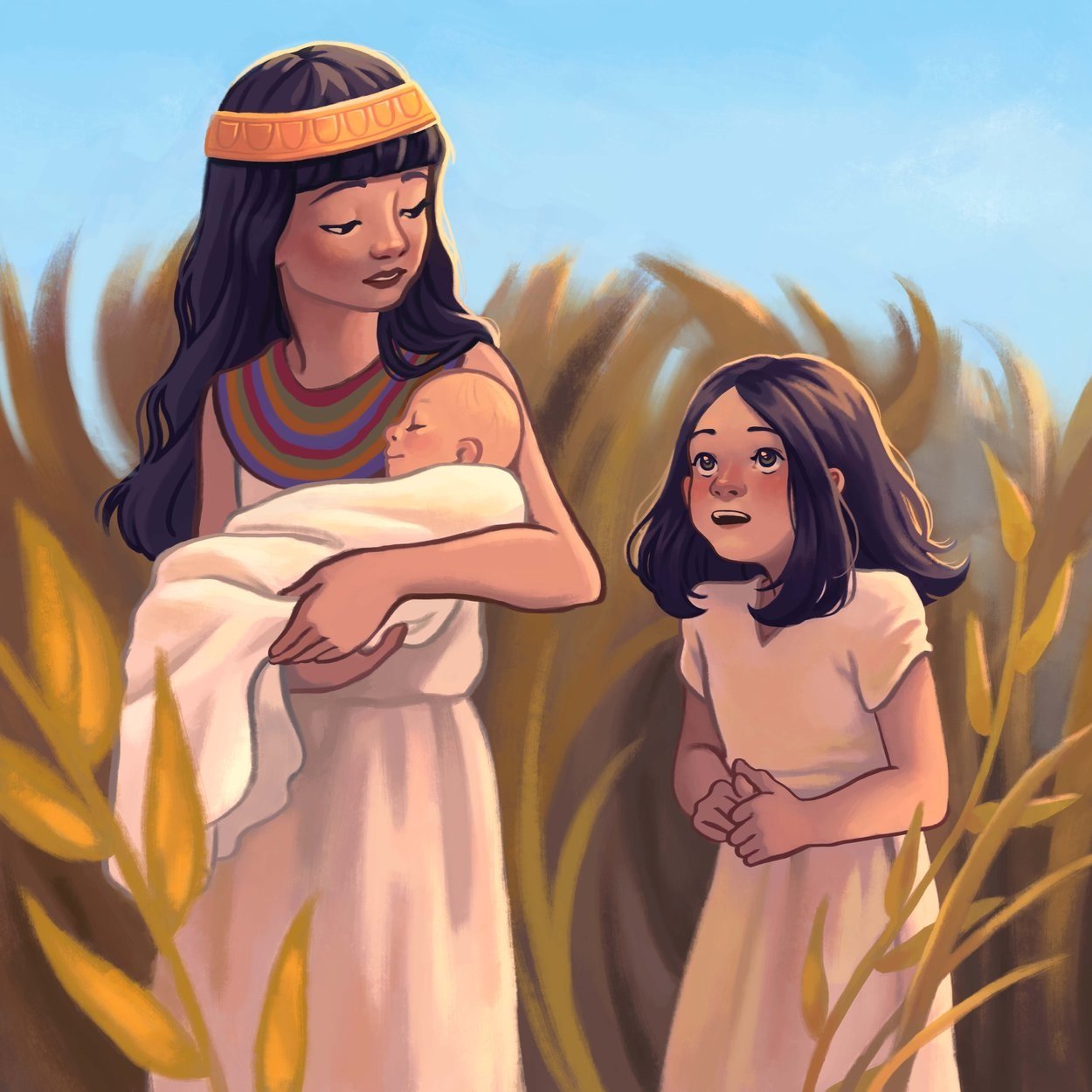
In the tapestry of biblical narratives, Miriam stands as a remarkable figure, woven intricately into the story of the Exodus and the deliverance of the Israelites from bondage in Egypt. Born to Amram and Jochebed, Miriam is introduced to us as the elder sister of Moses and Aaron, siblings who play pivotal roles in leading the Israelites to freedom. Yet, beneath the surface of her well-known familial connections lies a profound tale of courage, leadership, and the complexities of faith.
Miriam first emerges in the early chapters of Exodus, where her protective instincts are evident when she bravely watches over her baby brother Moses as he floats down the Nile in a basket. This pivotal moment showcases not only her loyalty and affection but also foreshadows the monumental role she will play in the Israelites’ journey. By orchestrating Moses’ return to his biological mother to nurse him, she exemplifies an unyielding spirit and a profound sense of responsibility, traits that would define her legacy.
As the narrative unfolds, Miriam’s voice resonates during one of the most triumphant moments in biblical history: the crossing of the Red Sea. Following the miraculous parting of the waters, it is Miriam who leads the women of Israel in song and dance, a celebration of liberation and divine intervention. Her song, an exuberant expression of joy, highlights her as a prophetess—a rare title denoting authority and spiritual insight. In this moment, Miriam transcends her role as a mere observer, becoming a vocal leader who inspires her people to rejoice in their newfound freedom, emphasizing the importance of collective memory and gratitude.
However, even within such prominence, Miriam’s journey is fraught with challenges. The complexities of her character are further revealed in the narrative when she and Aaron openly criticize Moses for marrying a Cushite woman. Their dissent, while perhaps stemming from familial concern, unveils a darker side of jealousy and competition among the siblings. Here, the text presents a sobering reminder that even the most revered leaders grapple with interpersonal struggles. This instance becomes a pivotal moment: God intervenes decisively, affirming Moses’ unique relationship with Him and chastising Miriam and Aaron for their insubordination.
Stricken with leprosy as a consequence of her rebellion, Miriam’s plight serves as a profound lesson in humility. Confined outside the camp, she embodies the repercussions of her actions, fostering a space for reflection on authority and humility among the Israelites. However, the narrative takes a redemptive turn as Moses, acting with compassion, intercedes on her behalf. This act of brotherly love not only underscores the significance of forgiveness but also illustrates the dynamic complexities of their relationship.
Eventually restored to health and reintegrated into the community, Miriam’s story culminates in both personal and collective transformation. She becomes a symbol of resilience and redemption, teaching generations the essence of navigating disputes and returning to faith. The journey of Miriam prompts us to ponder our own lives: how often do we wrestle with jealousy or misinterpret one another’s intentions? Through the lens of Miriam’s experience, we glean invaluable wisdom about unity, the power of sisterhood, and the importance of humility in the face of our shortcomings.
In the biblical narrative, Miriam is much more than a supporting character; she is a leader, a prophetess, and a beacon of hope. Her life encapsulates the triumphs and trials of the human spirit, urging each of us to reflect on our roles within our communities. The legacy of Miriam elicits introspection, inviting us to embrace the complexities of leadership, the importance of forgiveness, and the assurance that redemption is always within reach.

