

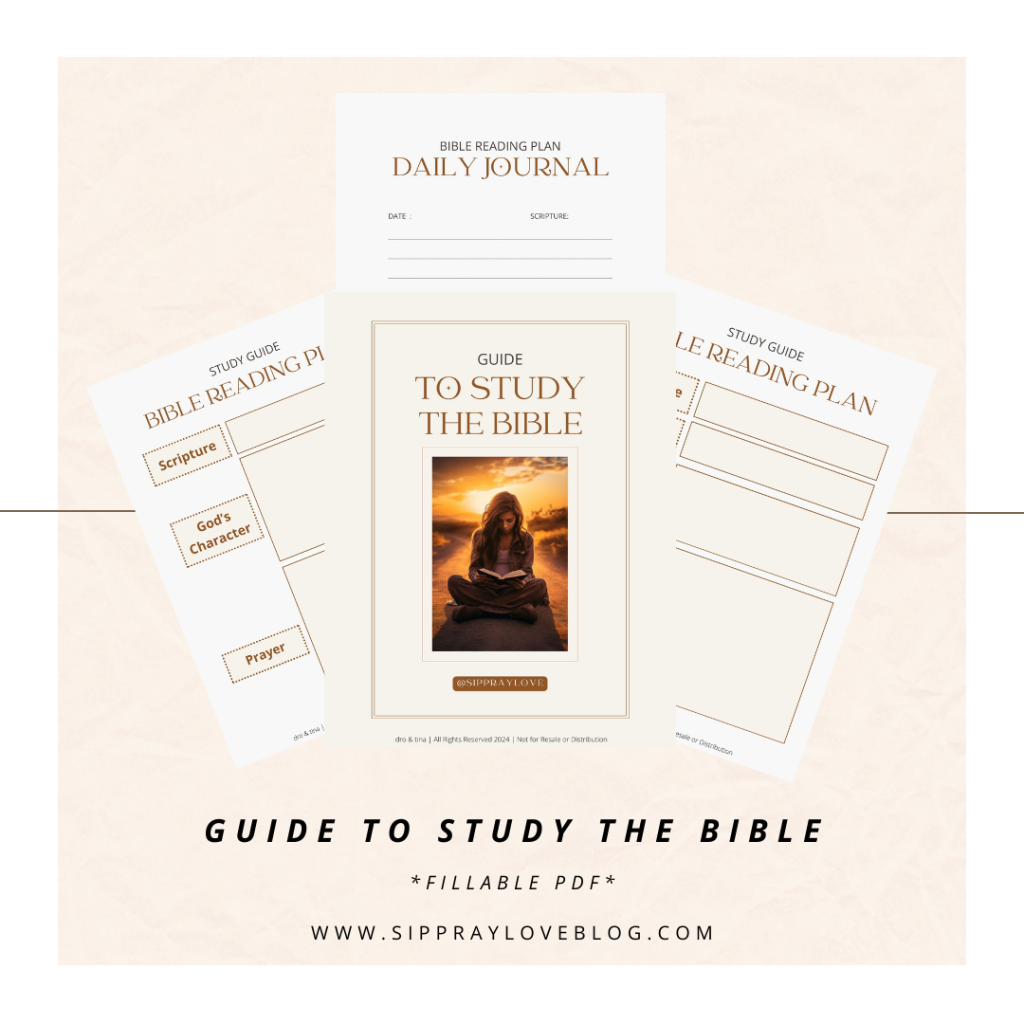
Reading the Bible can be likened to embarking on a grand voyage through an expansive ocean filled with myriad islands, each representing a unique theme, story, or teaching. To traverse this biblical archipelago effectively, particularly for beginners, a thoughtfully curated order can transform the journey into a profoundly enriching experience. Here, we explore the best order to read the Bible, unraveling the beauty and wisdom woven throughout its sacred pages.
1. The Foundations: Genesis and Exodus
Commence your voyage at the beginning—Genesis is the bedrock of biblical narrative, introducing the creation of the world, the genesis of humanity, and the profound covenant between God and His people. The stories of Adam and Eve, Noah’s Ark, and the Patriarchs lay the groundwork for understanding humanity’s relationship with the Divine.
Transitioning into Exodus, readers witness the dramatic liberation of the Israelites from Egyptian bondage. Here, the birth of a nation unfolds, highlighted by the receipt of the Ten Commandments—a moral compass that echoes through time. This groundwork equips readers with the essential context needed for the subsequent texts.
2. The Wisdom Literature: Psalms and Proverbs
As you navigate further, a detour to the Wisdom Books, specifically the Psalms and Proverbs, offers a wealth of poetic insights and practical guidance. The Psalms resonate with the human experience—a tapestry of sorrow, joy, anguish, and praise, inspiring readers to engage in heartfelt conversations with God.
Proverbs complements this lyrical exploration with its treasury of wisdom. Through succinct aphorisms, it illuminates the path to righteous living. The interplay of these texts forms an anthology of life lessons that remain timeless, acting as a compass guiding moral decision-making.
3. The Historical Narrative: The Gospels
From the profound depths of wisdom, ascend to the Gospels—Matthew, Mark, Luke, and John. These texts chart the life and teachings of Jesus Christ, the fulcrum of Christian faith. The synoptic gospels (Matthew, Mark, and Luke) offer a harmonious narrative, whereas John’s Gospel invites readers into a more theological reflection on the nature of Christ.
The Gospels not only recount miraculous events but also depict Jesus’ parables, teachings, and relationships. This segment is vital for beginners, unveiling the core message of love, forgiveness, and redemption—themes that reverberate throughout the entire biblical canon.
4. The Apostolic Epistles: Letters of Guidance
Once established in the Gospels, the journey continues into the Epistles—letters written by apostles like Paul, Peter, and John. These epistles, often addressing theological questions and moral dilemmas faced by early Christian communities, provide practical insights into living a life reflective of Christ’s teachings.
Diving into Romans, Corinthians, and Ephesians reveals a wealth of doctrinal depth and ethical instruction, fostering a deeper understanding of Christian faith and community dynamics. Each letter serves as a bridge, connecting believers across the ages with shared struggles and spiritual triumphs.
5. The Revelation: A Glimpse into the Future
Conclude your journey with Revelation—a book that unfurls a vivid tapestry of prophecy, symbolism, and hope. Though often daunting, its intricate visions of the end times ignite a sense of anticipation and purpose for believers. Engaging with Revelation invites readers to ponder the ultimate restoration and the hope inherent in God’s promises.
In conclusion, embarking on the journey through the Bible, from its foundational narratives in Genesis to the prophetic visions in Revelation, offers more than mere literary exploration; it is a spiritual odyssey. Follow this thoughtfully structured path, and each turn will deepen your understanding, enrich your soul, and inspire you to share the beauty of these timeless truths with others. Like every journey, patience and reflection will unveil the deeper treasures hidden within these sacred scriptures.

