

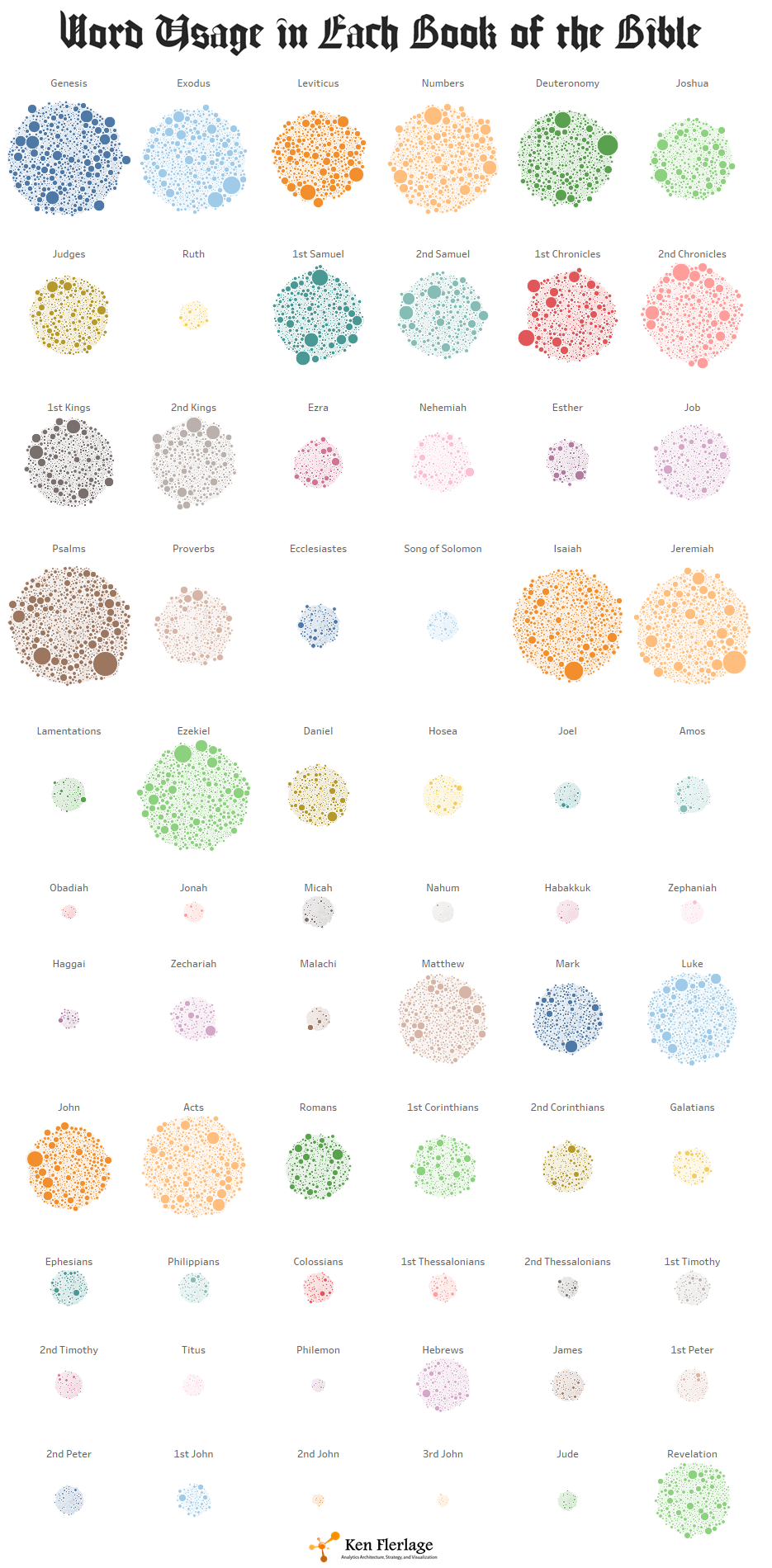
The Bible, a venerable tome revered across centuries and cultures, presents a treasure trove of linguistic cornucopia. Within its sacred pages lies the essence of humanity’s spiritual journey, woven intricately with words that resonate deeply with the human experience. Among the multitude of terms engraved in this ancient text, one word stands dominant, flourishing like a mighty oak amid a forest of saplings: “Lord.”
To fathom the significance of this term requires a voyage into the depths of theological discourse, a pilgrimage through the annals of scripture. “Lord” embodies divinity and authority, an anchor in the tempest of life’s uncertainties. It surfaces in myriad contexts, beckoning believers to contemplate their relationship with a higher power, as well as their personal struggles and triumphs. This singular word metamorphoses the mundane into the extraordinary, transforming simple interactions into profound acts of reverence.
Throughout the annals of biblical history, the name “Lord” resonates with an echo that transcends time. It is a call to submission, urging followers to relinquish their burdens and find solace in divine providence. Yet, it is also an invitation to dialogue, urging humanity to voice their hopes and fears in a sacred exchange. This duality captures the essence of spiritual engagement, where the divine intersects with the human experience, creating a tapestry of faith rich in color and texture.
Moreover, the omnipresence of the term “Lord” across both the Old and New Testaments reveals its foundational role in Christian and Jewish theology alike. In the Hebrew Scriptures, the term frequently appears as “YHWH,” a name so sacred it was veiled in reverence, reflecting the ineffable qualities of the Creator. In the Christian context, it evolves to encompass the figure of Christ, the ultimate manifestation of divine love and mercy. This evolution illustrates the dynamic interplay of language and belief, capturing the essence of a living faith.
Interestingly, the prominence of “Lord” invites considerations of how language shapes our understanding of the divine. Words possess the power to construct realities, fostering a worldview that can either elevate or confine the spirit. In this light, “Lord” arises as a bastion of hope, emblematic of unwavering support in times of despair. It serves as a reminder of the covenantal relationship between the divine and humanity, rooted in love, loyalty, and trust.
Yet, what lies beneath this single term is a labyrinthine complexity of interpretation and experience. For some, “Lord” connotes an authoritarian figure, while for others, it evokes imagery of a gentle shepherd, leading the flock with unwavering compassion. This intrinsic dichotomy emphasizes the multifaceted nature of divinity, a theme that reverberates through the scriptures and resonates with the struggles of the faithful.
From a linguistic perspective, the frequency of “Lord” instills an undeniable gravitas in the narratives that signify life, death, and the in-between. It appears in exhortations, declarations, and prayers, each usage enriching the reader’s understanding of devotion. This word is not merely a vocal utterance; it is a portal into the depths of spiritual existence, evoking a range of emotions from reverence to communion.
In conclusion, the most utilized word in the Bible—“Lord”—is much more than a lexical entity. It is a dynamic force, a living symbol of connection to the divine. It challenges believers to grapple with their faith, inviting introspection and exploration of what it means to engage with something greater than oneself. As we navigate the vast landscape of sacred text, “Lord” stands not only as a frequent utterance but as a profound representation of humanity’s quest for understanding, love, and belonging in a transcendent world.

