

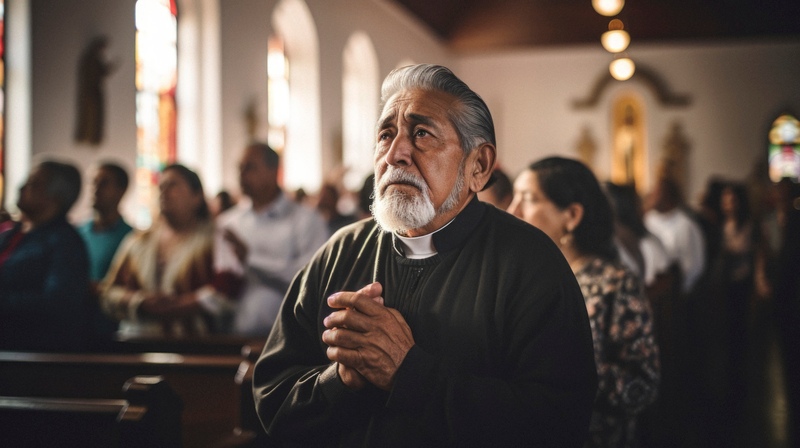
Prayer is an integral component of the spiritual journey, deeply embedded in the fabric of biblical teachings. The Scriptures delineate various dimensions and forms of prayer, shedding light on its significance in nurturing one’s relationship with the Divine. This exploration encapsulates what the Bible articulates about prayer, delineating its essence, forms, and the profound impact it can have on the believer’s life.
The act of prayer is often depicted in the Bible as a direct line of communication with God. It is more than mere words; it embodies a heartfelt connection to the Creator. In the Old Testament, we find the patriarchs engaging in fervent supplications—Abraham, Isaac, and Jacob all exemplified the necessity of seeking the Lord’s counsel through prayer. Their communion with God showcases an archetype of prayer as a dialogue, underscoring its relational aspect.
Transitioning into the New Testament, prayer takes on an even more profound significance as Jesus Himself models its importance. He frequently withdrew to solitary places to pray, illustrating the need for personal communion with God amidst the busyness of life. His teachings on prayer, epitomized in the Lord’s Prayer, provide a framework that encapsulates adoration, confession, thanksgiving, and supplication—a holistic approach that embodies the fundamental elements of effective prayer.
One might categorize prayer into several distinct forms as illustrated in the biblical narratives: adoration, confession, thanksgiving, and supplication. Each of these forms serves a unique purpose and reflects different facets of the believer’s relationship with God.
Adoration, characterized by deep reverence and worship, acknowledges God’s majesty and holiness. The Psalms are a rich repository of prayers that exemplify adoration, where the psalmists often extol the attributes of God, celebrating His greatness and steadfast love. This form of prayer invites believers to recognize God’s supremacy and fosters a sense of humility. Recognizing God’s nature is foundational; it transitions the heart from self-centeredness to divine-centeredness.
Confession is another vital aspect of prayer, acknowledging human frailty and the need for divine mercy. In the book of Psalms, David’s confessions serve as poignant reminders of the need for forgiveness. Through repentance expressed in prayers, believers find restoration. Confessional prayers illuminate the path towards spiritual cleansing, a necessary component of growth and maturation in faith. The act of confession is not merely a ritualistic exercise; it is a profound acknowledgment of one’s need for grace and forgiveness.
Thanksgiving in prayer cultivates an attitude of gratitude, focusing on the blessings bestowed upon us. Scripture instructs believers to give thanks in all circumstances (1 Thessalonians 5:18), reminding us that thankfulness should permeate our daily lives. This form of prayer serves to amplify joy and contentment, fostering resilience in the face of adversity. As believers recount the goodness of God in their prayers, they cultivate a heart posture that is appreciative and hopeful.
Supplication encompasses petitions made to God, where believers bring their requests before Him. This aspect of prayer reflects the reliance on God’s provision and guidance. In Philippians 4:6-7, believers are encouraged to present their requests to God, underscoring a profound trust in His sovereign will. This act of intercession not only allows for personal supplications but extends to praying for others, thus reflecting the community-oriented nature of prayer. Intercessory prayer emphasizes the role of believers as conduits of God’s grace, invoking divine intervention on behalf of others.
The Bible also narrates several instances of corporate prayer, showcasing the power of unified voices lifted to God. Acts 1:14 depicts the early church engaged in prayer together, heralding the transformative power of collective supplication. This communal aspect of prayer serves to strengthen bonds within the faith community, promoting collective accountability and fostering spiritual growth. The collective cries to God echo throughout the Scriptures, illustrating the vibrancy and dynamism inherent in shared prayer experiences.
Moreover, prayer is steeped in humility. The Pharisee and the tax collector (Luke 18:10-14) serve as a stark contrast, highlighting the attitude with which one approaches God in prayer. The tax collector’s humble admission of sin prevails, teaching that sincerity and humility are paramount in effectively communicating with God. This parable draws attention to the pitfalls of self-righteousness, guiding believers towards a humble yet bold approach to prayer.
Importantly, the Bible also emphasizes the necessity of faith in prayer. James 1:5-6 counsels believers to ask in faith, emphasizing the importance of trusting in God’s character and promises. An authentic prayer life is deeply intertwined with the assurance that God hears and responds to the prayers of His people, reinforcing a believer’s reliance on divine providence.
In conclusion, the Bible elucidates prayer as a multifaceted entity that transcends mere ritual; it is an ongoing dialogue with God. The different forms of prayer—adoration, confession, thanksgiving, and supplication—provide a framework that nurtures the believer’s relationship with the Divine. Through prayer, individuals not only cultivate personal and communal inclinations toward God but also engage in a transformative process of holiness, deeper connectedness, and spiritual abundance. As believers navigate their spiritual paths, prayer remains a quintessential practice, a lifeline to the Creator, echoing the eternal truth that seeking God in prayer is foundational to a thriving faith journey.

