

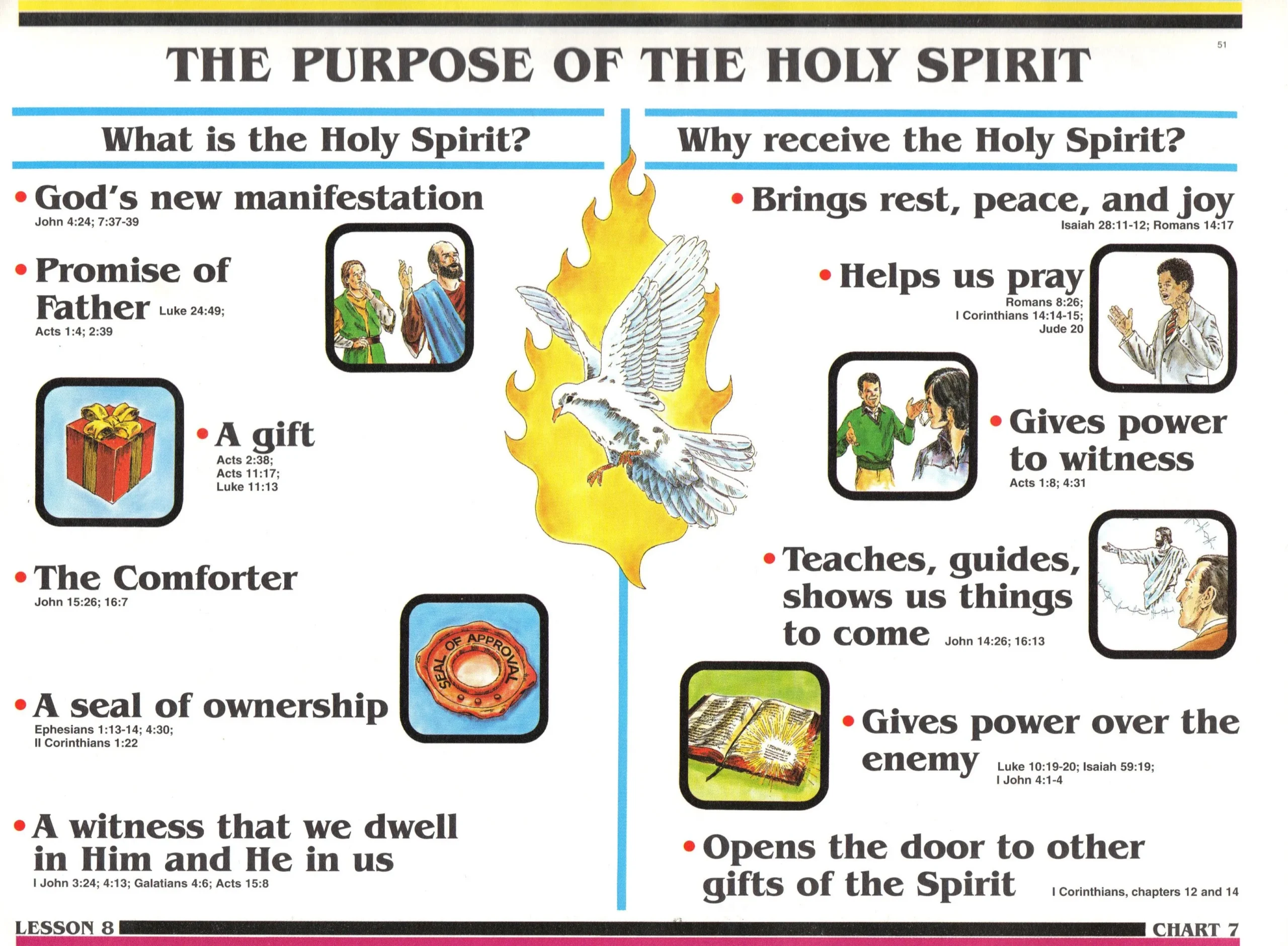
When the first murmurs of a charismatic revival began echoing through mid‑20th‑century sanctuaries, a new dimension of Christian experience unfolded. Believers discovered that the Holy Spirit was not merely a theological abstraction but a living, breathing presence that could ignite spontaneous worship, prophetic utterances, and a profound sense of communal empowerment. In charismatic churches, the Spirit’s role becomes the heartbeat of the assembly, shaping liturgy, doctrine, and personal devotion alike. The following exploration ventures into the historical roots, doctrinal foundations, liturgical practices, community dynamics, the delicate balance between doctrinal stability and pneumatic spontaneity, and the future trajectories of this vibrant movement.
Historical Roots: The Pneumatic Awakening
Mid‑century evangelists like David du Plessis and Dennis Bennett propagated a radical idea: the Holy Spirit continues to pour out gifts as in the book of Acts. Their gatherings resembled an electrified revival meeting, where prayer, tongues, and healing were not relics of a bygone era but fresh encounters. The movement, often dubbed the charismatic renewal, surged across denominational lines, embedding a pneumatological consciousness that emphasized the Spirit’s immediacy over institutional mediation. Over the decades, this awakening birthed networks of house churches, renewal conferences, and charismatic megachurches that still pulse with the same fire today.
Doctrinal Foundations: Defining the Holy Spirit’s Role
At the core of charismatic theology lies a robust pneumatology that frames the Spirit as the active agent of divine transformation. The Spirit is believed to sanctify, empower, and reveal, serving as the “promise of the Father” that equips believers for witness. Charismatic churches uphold doctrines of Spirit‑baptism as a distinct experience subsequent to conversion, wherein the faithful are immersed in charismatic gifts such as glossolalia, prophecy, and healing. This doctrinal matrix posits the Spirit as both personal companion and corporate catalyst, a duality that informs worship, teaching, and communal decision‑making.
Liturgical Practices: When the Spirit Moves
Services in charismatic congregations are

