

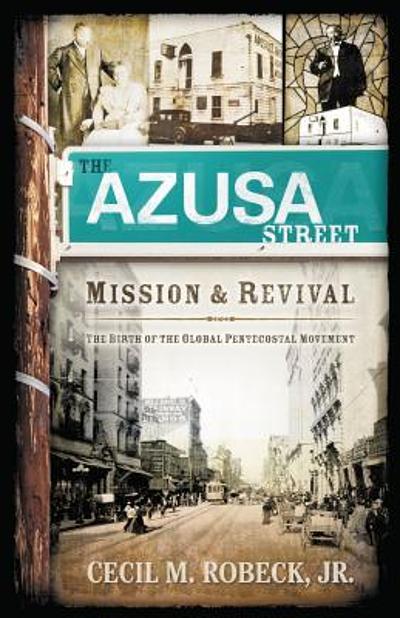
Could a modest wooden storefront in downtown Los Angeles become the crucible for a worldwide Pentecostal surge? In the spring of 1906 a small prayer meeting on Azusa Street erupted into an effervescent display of charismatic fervor, igniting a flame that would blaze across continents and reshape modern Christianity.
The Humble Catalyst
Located in a former church that had been abandoned by its former occupants, the modest building at 312 Azusa Street was initially a nondescript prayer hall. Its unadorned walls and low ceiling concealed a volatile mix of fervent supplication, fervent singing, and an unapologetic openness to the uncanny. When William J. Seymour, a former student of the holiness movement, arrived to lead a Bible study, the space transformed into a pneumatic laboratory where the Holy Spirit was invited to “quake” the very foundations of doctrinal complacency. The raw, improvisational nature of the gatherings—often punctuated by spontaneous utterances in unknown tongues—served as a catalyst for a movement that would soon outgrow its humble origins.
The revival’s early days were marked by an almost palpable anticipation; attendees reported waves of heat, tingling sensations, and an overwhelming sense of being “caught up” in a divine current. Such phenomena, while sensational, were not merely eccentric; they signaled a theological re‑orientation that placed the experiential encounter with the Spirit at the heart of Christian practice.
A Mosaic of Seekers
Azusa attracted a disparate ensemble of believers: African‑American former slaves, Mexican‑American farmhands, white revivalists, and immigrant laborers. Thisosaic of seekers was unusual for the era, when racial segregation was the norm in most American churches. Yet the revival’s leadership, particularly Seymour, explicitly declared that “the blood washes the color line away,” thereby creating a liminal space where social hierarchies were temporarily suspended. The atmosphere was electric, a tapestry of clapping hands, swaying bodies, and the resonant echo of foreign tongues that seemed to knit the participants together in a collective mystic embrace.
Women also claimed prominent roles, preaching, prophesying, and orchestrating worship—a radical deviation from the patriarchal conventions of the time. This egalitarian spirit, though not without tension, forged a community that celebrated the charismatic gifts as a universal inheritance, not a prerogative of a single ethnicity or gender.
The Pneumatic Earthquake
At the heart of Azusa’s theological ferment lay a bold re‑interpretation of the Pentecost narrative. The “baptism of the Holy Spirit” was reframed not as a subsequent experience reserved for a doctrinal elite, but as an imminent, tangible event accessible to any believer who sought it. Speaking in tongues—glossolalia—was proclaimed as the initial physical evidence, a hierophanic marker signifying the arrival of the promised Spirit. This doctrinal shift produced a cascade of ecstatic utterances, prophetic declarations, and

