

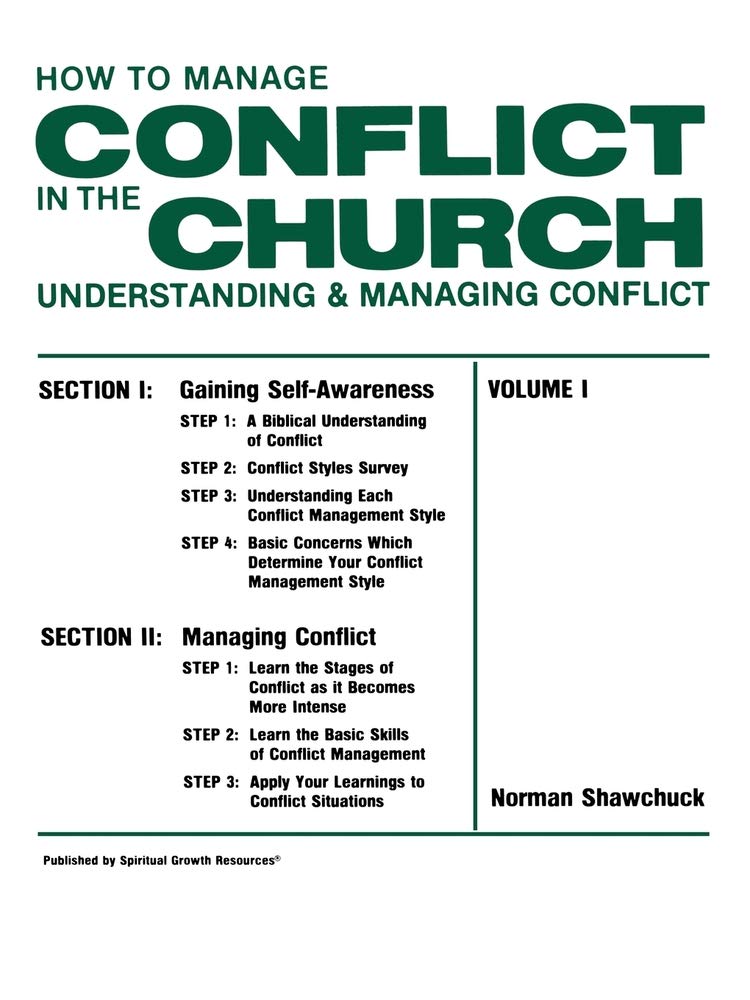
When tension bubbles beneath the surface of a church staff, it can feel like an unexpected storm in a sanctuary that should be calm. Yet, this very friction holds a hidden promise: a chance to deepen relationships, sharpen purpose, and forge a more resilient community of faith. Rather than seeing conflict as an unwelcome intruder, the narrative can shift to view it as a catalyst for transformation. By embracing curiosity, asking the right questions, and listening with intentional empathy, staff members can turn discord into a doorway of growth, turning every clash into an opportunity for collective wisdom.
Reclaiming Conflict as a Catalyst
Most believers instinctively recoil from discord, fearing it will fracture the body of Christ. Yet, historical accounts of early Christian communities reveal that spirited debate often birthed deeper doctrine and stronger unity. Shifting perspective means recognizing that tension, when channeled correctly, can act like a crucible—heating ideas until they harden into solid commitment. This reframing invites staff to view disagreements not as threats, but as vital signs indicating where renewal is needed.
Consider a symphony: each instrument produces distinct sounds, and occasional dissonance is required to create a richer harmonic tapestry. Church staff can adopt a symphonic mindset, where conflict becomes the necessary variation that leads to a more vibrant mission. The promise is clear: confronting issues head‑on can precipitate renewed purpose, clearer communication, and a renewed sense of shared destiny.
Decoding the Hidden Tensions
Often, the visible eruption of anger or frustration masks underlying, latent fissures—misaligned expectations, unspoken grievances, or competing visions for ministry. A keen observer learns to read the subtle cues: changes in tone, body language, or the sudden withdrawal from collaborative projects. By developing a habit of reflective inquiry, leaders can decipher the hidden narratives that fuel interpersonal dynamics.
Use diagnostic tools such as anonymous surveys, one‑on‑one listening sessions, or even reflective prayer walks around the church grounds to uncover covert tensions. When staff members feel safe to articulate concerns, the invisible becomes visible, allowing targeted interventions rather than blanket solutions. This process transforms vague unease into actionable insight.
Establishing Open Channels of Communication
Transparent dialogue is the lifeblood of any healthy community. Structured forums—such as weekly staff huddles with a dedicated “conflict debrief” segment—create predictable spaces where voices can be heard without fear of reprisal. Emphasize active listening: paraphrase, ask clarifying questions, and resist the urge to formulate rebuttals while the other person speaks.
Adopt “empathic mirroring,” a practice where each participant repeats back the essence of what was heard, ensuring understanding before response. When words are mirrored accurately, trust deepens, and the emotional temperature drops. Such habits lay a foundation for proactive mediation, preventing isolated misunderstandings from escalating into full‑blown confrontations.
Infusing Empathy Through Spiritual Practice
Beyond professional techniques, spiritual disciplines can cultivate a disposition of grace‑filled empathy. Encourage staff to begin meetings with a brief moment of communal prayer, inviting the Holy Spirit to soften hearts and open minds. Practices like lectio divina on passages about reconciliation (e.g., Matthew 18:15‑20) can remind the team that forgiveness is a covenantal act, not merely a social nicety.
Incorporate “ritualistic empathy” by having participants silently hold the perspective of the other during a conflict. Visualizing the situation through the other’s eyes can dissolve adversarial positions, revealing common ground rooted in shared mission. When prayer meets purpose, empathy becomes a tangible force that can transmutate discord into collaborative discernment.
Designing Collaborative Resolution Frameworks
Structured processes act as scaffolds for navigating conflict without allowing it to spiral out of control. A three‑step model—acknowledgment, articulation, and agreement—offers a clear pathway. First, both parties acknowledge the existence of the issue. Next

