

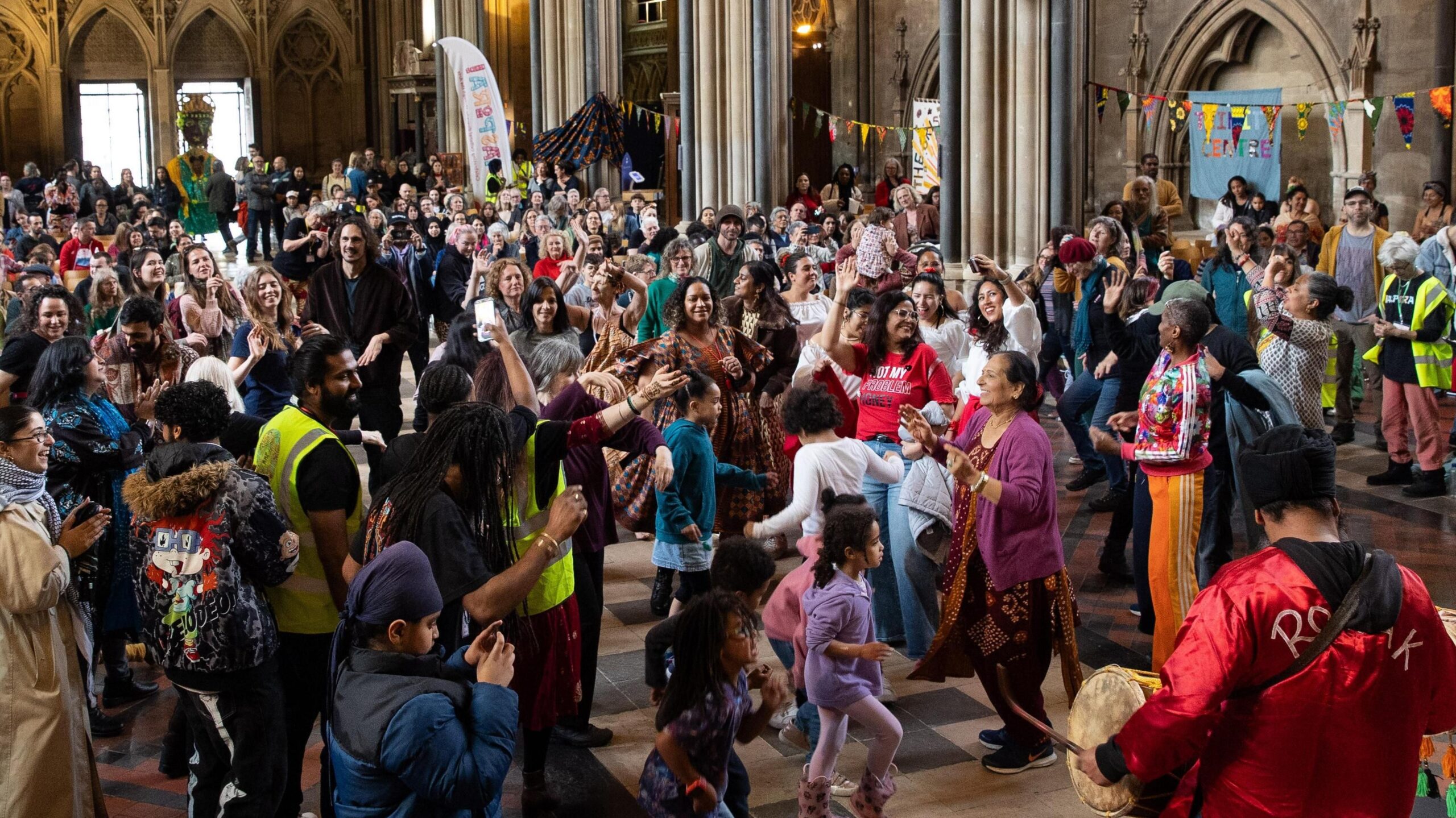
In the luminous nave where stained glass fragments the morning light, a hushed symphony of cultures converges, each worshipper carrying a fragment of a global mosaic into the sanctuary. The church, long regarded as a bastion of doctrine, is now also a stage where the vibrant tableau of human diversity unfolds. It becomes a living tapestry, woven from threads of faith, tradition, and communal memory, each thread pulsating with stories that echo across centuries and continents. This interplay between sacred ritual and cultural celebration turns the house of worship into a pulsating crucible, a place where the ordinary and the extraordinary interlace, inviting all who enter to witness the kaleidoscopic beauty of humanity.
Sacred Spaces as Cultural Crucibles
When a stone altar is brushed by incense from a Latin Mass and the rhythmic drumbeats of a West African ceremony, the environment transforms into an interstitial laboratory of belief. Parishioners, migrants, and native-born worshippers alike converge, each bringing a distinctive palette of language, song, and custom. The building’s vaulted ceilings become a resonant chamber, amplifying a heteroglossia of prayers that rise in a polyphonic chorus. Pastors and lay leaders often curate programs that invite folk dancers, literary salons, and visual art exhibits, turning Sunday service into a pluripotential platform where faith and culture co‑evolve. The resultant atmosphere is one of liminal wonder, where the familiar sanctuary is simultaneously a gallery, a concert hall, and a community kitchen.
Liturgical Rhythms and Folk Melodies
Music moves through the nave like a river of syncretic sound, its currents carrying both Gregorian chant and Afro‑Caribbean percussion. A choir may intone a hymn in Latin while a steel‑pan ensemble weaves a Caribbean undertone, creating a sonic tapestry that feels both ancient and freshly minted. The organ, traditionally a symbol of solemnity, now shares its pipes with a sitar or a djembe, forging a conflation of timbres that encourages spontaneous dance. This intermingling not only enriches worship but also functions as a heuristic device, allowing participants to experience unfamiliar rhythms within the safety of a sacred context. Each melodic phrase becomes a metaphor for the broader narrative of inclusion, where the echo of a single note can reverberate across generations.
Ritual as Narrative: Storytelling Across Generations
Every liturgy is also a story, a layered narrative that speaks in multiple vernaculars—visual, auditory, and embodied. In many congregations, elders recount the migration journeys of their ancestors, their narratives punctuated by gestures that echo traditional dances. Young storytellers, armed with digital tablets, project animated illustrations that translate ancient parables into contemporary visual slang. This layered storytelling serves as a communal catharsis, allowing the congregation to process collective histories of displacement, resilience, and hope. The result is a living archive where the past is not merely remembered but re‑enacted, ensuring that each cultural thread remains vivid and resonant.
Feasts and Fastings: Culinary Mosaic
No celebration of diversity is complete without the aromatic invitation of food, an element that can turn a solemn service into a festive banquet. During Lent, a parish might serve both traditional fish tacos and vegan spring rolls, honoring fasting customs while accommodating dietary restrictions born of multicultural backgrounds. Harvest festivals showcase a cornucopia of dishes—spicy jerk chicken, fragrant biryani, hearty pierogi—each presented as an offering on the altar of communal fellowship. The act of breaking bread together becomes a tactile metaphor for unity, where the communal table extends beyond the sanctuary walls, drawing in neighbors who may never have set foot in a church but are eager to share a meal.
Artistic Expressions: Visual and Performing
Within these holy precincts, art flourishes as a conduit for cultural dialogue. Stained‑glass windows now feature motifs borrowed from Indigenous petroglyphs, while murals on the narthex depict scenes of diaspora and solidarity. Dance troupes perform interpretive works that blend contemporary choreography with traditional steps, their movements

