

What if your church’s discipleship campaign felt less like a mandatory checklist and more like a thrilling quest where every member discovers their unique role in God’s grand narrative? Imagine the energy if, instead of passive spectators, your congregation became active participants in a spiritual adventure—one that transforms lives, strengthens community, and ignites a fire for discipleship. But here’s the playful challenge: How do you turn a traditional campaign into a dynamic movement that captivates hearts, engages minds, and mobilizes action? The answer lies not in rigid structures, but in crafting an experience that feels personal, purposeful, and even a little adventurous.
The Power of Storytelling: Why Narrative Trumps Sermons
Humans are wired for stories. Long before PowerPoint slides and bulletin inserts, our ancestors gathered around campfires to hear tales of courage, redemption, and transformation. Your discipleship campaign can harness this ancient power by framing it as a story—one where every member plays a starring role. Instead of launching into a dry recitation of theological principles, invite your congregation to see themselves as characters in God’s unfolding story. Will they be the steadfast mentor, the curious seeker, or the bold pioneer? The key is to make the campaign’s purpose feel like an invitation to a grand narrative rather than a top-down directive.
Consider weaving personal testimonies into the campaign’s messaging. Share stories of how small steps in faith led to profound life changes. Highlight the struggles and triumphs of biblical figures, drawing parallels to modern-day challenges. When people see themselves in the story, they’re more likely to engage—not out of obligation, but out of a desire to contribute to something meaningful.
From Spectators to Co-Creators: The Art of Shared Ownership
Here’s a radical thought: What if your discipleship campaign wasn’t designed *for* the congregation, but *by* the congregation? The most vibrant spiritual movements aren’t imposed; they’re co-created. Start by assembling a diverse team of volunteers—young and old, new believers and seasoned saints—to brainstorm ideas. Let them shape the campaign’s themes, activities, and even its name. When people invest their creativity and ideas, they develop a vested interest in its success.
But beware the subtle trap of tokenism. Involving the congregation isn’t about checking a box; it’s about genuinely valuing their input. Host listening sessions where members can voice their hopes, fears, and suggestions. Use surveys or digital tools to gather feedback anonymously, ensuring shy or introverted voices are heard. The goal is to create a culture where leadership isn’t a one-way street but a collaborative dialogue.
The Gamification Gambit: Turning Discipleship into an Adventure
Why should video games have all the fun? Gamification—applying game-design elements to non-game contexts—can inject excitement into your discipleship campaign. Think of it as a spiritual scavenger hunt where participants earn badges for completing Bible studies, serving in the community, or sharing their faith. Leaderboards can spark friendly competition, while milestones unlock rewards like mentorship opportunities or special recognition.
But gamification isn’t just about points and prizes. It’s about creating a sense of progress and achievement. Use visual tools like progress bars or milestone markers to show how far the congregation has come. Celebrate small wins along the way—perhaps with a “hallelujah moments” wall where members post notes about answered prayers or acts of kindness. The more tangible the progress, the more motivated people will be to keep going.
Small Groups as the Secret Sauce: Why They’re the Heartbeat of Engagement
If your discipleship campaign is a symphony, small groups are the individual instruments that create harmony. These intimate gatherings provide the space for deeper connection, accountability, and personal growth. But here’s the catch: small groups can’t be forced into existence. They must emerge organically from the congregation’s needs and interests.
Start by identifying natural affinity groups—perhaps young parents, college students, or retirees—and invite them to form their own groups. Offer flexible meeting times and formats (virtual, in-person, or hybrid) to accommodate different lifestyles. Provide discussion guides that are conversational rather than prescriptive, allowing the Holy Spirit to lead the conversation. The goal is to create an environment where people feel safe to wrestle with questions, share struggles, and pray together.
Remember, the best small groups aren’t just about study; they’re about transformation. Encourage members to set personal growth goals—whether it’s memorizing Scripture, serving in a ministry, or deepening their prayer life—and check in regularly on their progress. When small groups become incubators for spiritual growth, the entire campaign gains momentum.
The Volunteer Vortex: How to Turn Members into Missionaries
No campaign thrives on passive participation. To truly involve the congregation, you need to mobilize them as volunteers—not just for the campaign’s duration, but as a sustainable part of your church’s culture. The key is to make volunteering feel less like a chore and more like a calling. Start by identifying roles that align with people’s passions and gifts. Are they natural teachers? Organizers? Storytellers? Match them to tasks that ignite their enthusiasm.
But here’s the playful challenge: How do you prevent volunteer burnout while keeping the energy high? The answer lies in creating a “volunteer vortex”—a cycle where service leads to deeper engagement, which in turn fuels more service. For example, someone who starts by helping with childcare might later lead a small group or organize a community outreach event. The more they serve, the more they grow—and the more they grow, the more they want to serve.
Celebrate volunteers publicly, not just in announcements but in ways that highlight their impact. Share stories of how their contributions changed lives. Consider hosting a “volunteer appreciation night” where you highlight their stories and pray over them. When people feel seen and valued, they’re more likely to commit long-term.
The Digital Dimension: Leveraging Technology Without Losing the Human Touch
In today’s world, digital tools aren’t optional; they’re essential. But here’s the tension: How do you use technology to enhance connection without making discipleship feel impersonal? The answer is to strike a balance between virtual and in-person engagement. Use apps or online platforms to share resources, track progress, and facilitate discussions—but don’t let them replace face-to-face interaction.
For example, create a private social media group where members can share prayer requests, celebrate milestones, and post updates on their spiritual journey. Use video messages from the pastor or guest speakers to supplement in-person teaching. But always provide an “offline” option for those who aren’t tech-savvy or prefer in-person interactions. The goal is to make technology a bridge, not a barrier.
The Ripple Effect: How to Sustain Momentum Beyond the Campaign
A discipleship campaign shouldn’t be a one-time event but the spark that ignites a lifelong fire. The challenge is to transition from a short-term push to a long-term culture of discipleship. Start by identifying “discipleship multipliers”—people who are naturally gifted at mentoring or leading others. Invest in their training and empower them to reproduce what they’ve learned in others.
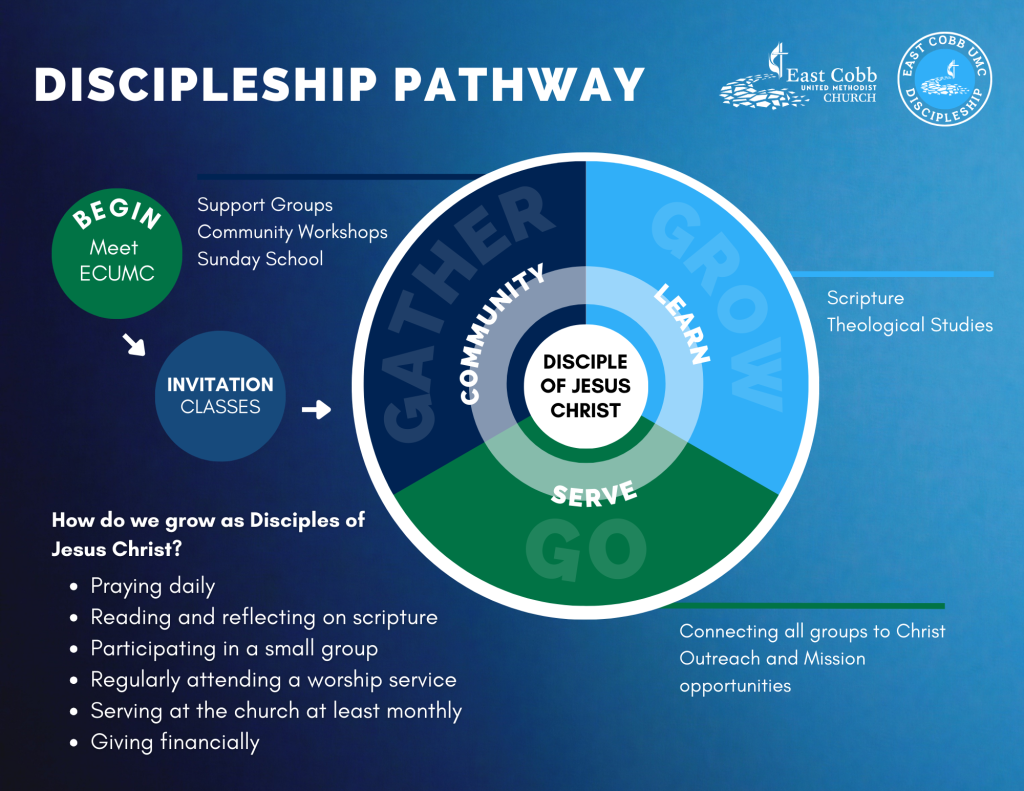
Create pathways for continued growth, such as advanced Bible studies, leadership training, or mission trips. Encourage members to set personal growth goals and revisit them regularly. And don’t forget to celebrate the campaign’s legacy—highlight the stories of transformation, the lives changed, and the community strengthened. When people see the lasting impact of their involvement, they’ll be more likely to stay engaged long after the campaign ends.
The most successful discipleship campaigns aren’t measured by attendance numbers or completion rates, but by the depth of transformation they inspire. When the congregation feels like active participants in God’s story—not just spectators—something magical happens. The campaign becomes more than a program; it becomes a movement.

