

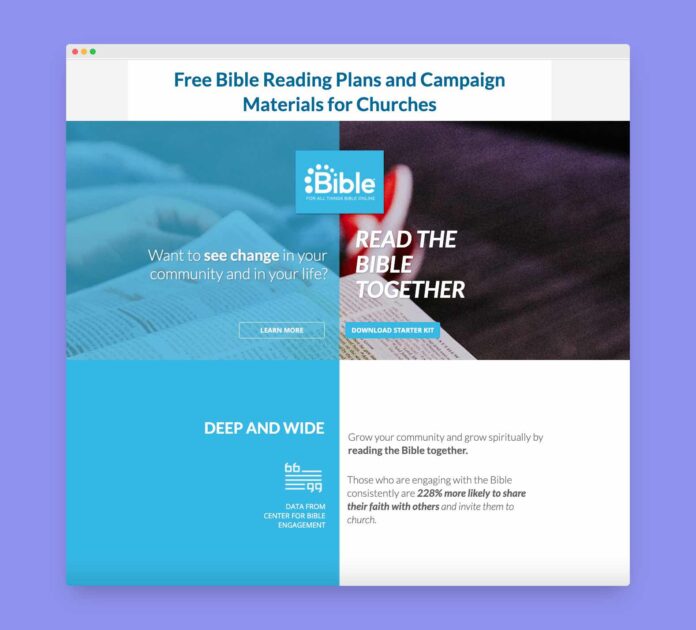
Ever wondered how to nudge your congregation from passive pew-sitting to active, Scripture-soaked discipleship? What if your church could transform into a vibrant community where every member—from the toddler in the nursery to the retiree in the back pew—is not just hearing the Word, but wrestling with it, journaling through it, and living it out? Launching a church Bible reading campaign isn’t just about handing out reading plans; it’s about igniting a spiritual wildfire that spreads from Sunday to Monday, from the sanctuary to the streets. But here’s the playful challenge: how do you turn good intentions into consistent action without burning out your people—or yourself? Let’s walk through a step-by-step guide that turns that spark into a roaring flame.
Why a Church Bible Reading Campaign? The Ripple Effect of Collective Scripture Engagement
Imagine your church as a pond. When one person drops a pebble of Scripture into the water, the ripples spread—quietly at first, then wider, touching neighbors, coworkers, and even strangers. A church-wide Bible reading campaign isn’t just a program; it’s a cultural reset. Studies show that people who engage with Scripture daily are 40% more likely to report spiritual growth and 30% more likely to serve in their community. But here’s the twist: most reading plans gather dust because they lack communal glue. The secret? Turn individual reading into a shared journey. When your congregation reads the same passage on Monday and discusses it in small groups on Wednesday, the Word stops being a lecture and starts being a conversation. The challenge isn’t just getting people to read—it’s getting them to *stick* with it. So, how do you build that stickiness?
Step 1: Cast the Vision—Paint a Picture People Want to Step Into
Vision isn’t a bullet-pointed list on a PowerPoint slide. It’s a story. Instead of saying, “We’re launching a reading plan,” try this: “What if, by this time next year, our church wasn’t just a building on a street corner, but a family of people who couldn’t wait to open their Bibles every morning because they knew God was speaking directly to their Monday chaos?” Use vivid language. Share testimonies. Show a short video of a shy teen saying, “I never thought I’d understand Revelation until our youth group read it together.” The goal? Make Scripture feel less like homework and more like a treasure hunt. The challenge? Avoid the trap of overpromising. Don’t say, “This will change your life.” Say, “This might disrupt your life—in the best way possible.”
Step 2: Choose the Right Reading Plan—One Size Doesn’t Fit Souls
Not all reading plans are created equal. A 365-day chronological plan might thrill the scholar but drown the single mom working two jobs. A thematic plan on “joy” could feel shallow if your church is grieving. The key? Customize. Offer three tracks: a foundational plan (Psalms and Gospels), a topical plan (e.g., “Praying the Names of God”), and a challenge plan (read the entire New Testament in 90 days). But here’s the playful twist: gamify it. Create a “Bible Buck” system where people earn points for reading, journaling, and sharing insights. Redeem points for coffee with the pastor or a reserved parking spot. The challenge? Don’t let the plan become the tail that wags the dog. If the plan feels like a chore, people will quit. Keep it flexible, fun, and faith-filled.
Step 3: Build the Infrastructure—Tools That Don’t Feel Like Tools
Technology should serve the mission, not the other way around. But here’s the rub: if your app login feels like a tax return, people won’t use it. Opt for a platform that’s intuitive—think a mobile app with daily notifications, audio Bibles for commuters, and a private group chat for sharing “aha” moments. But don’t stop at digital. Print isn’t dead. Create a sleek, pocket-sized reading guide with space for notes. Include QR codes linking to devotionals or worship playlists. The challenge? Avoid the “shiny object” syndrome. Just because a tool exists doesn’t mean it’s right for your people. Survey your congregation. Ask: “What’s your biggest hurdle to reading the Bible daily?” Then build the infrastructure to remove that hurdle.
Step 4: Equip the Leaders—Your Secret Weapon Isn’t a Plan, It’s People
Your senior pastor’s pulpit thundering about reading plans? That’s table stakes. The real magic happens in the small groups, the Sunday school classes, the men’s breakfast huddles. Equip your leaders—not just with a leader’s guide, but with a leader’s *heart*. Train them to ask open-ended questions: “Where did you see God in this passage?” instead of “Did you finish your reading?” Provide them with a weekly “conversation starter” email with three questions and a prayer prompt. The challenge? Leaders burn out when they feel like they’re carrying the campaign alone. Rotate leadership. Share the load. Celebrate their wins publicly. Remember, a campaign isn’t a sprint; it’s a marathon run in relay.
Step 5: Create Moments That Matter—From Digital to Doable
People remember experiences, not spreadsheets. So, how do you turn reading the Bible into something they’ll tell their grandkids about? Host a “Scripture Scavenger Hunt” where teams race to find verses hidden around the church campus. Or launch a “Prayer Walk” where people meditate on a passage while walking their neighborhood. For the introverts, create a “Silent Retreat” with guided reflections. The challenge? Avoid the “event trap.” Don’t let the campaign become a series of one-off activities. Every moment should point back to the Word. The goal isn’t entertainment; it’s encounter.
Step 6: Sustain the Momentum—The Art of the Long Game
Here’s the hard truth: most campaigns fizzle by week six. The initial excitement wanes. Life happens. The challenge isn’t starting strong; it’s finishing well. So, how do you keep the flame alive? Introduce “mid-campaign check-ins” where people share testimonies in worship. Launch a “reading buddy” system pairing veterans with newcomers. Celebrate milestones—not just completion, but transformation. Did someone overcome anxiety? Did a marriage heal? Did a teenager lead their first devotional? Shout it from the rooftops. The challenge? Don’t let the campaign become a guilt trip. If someone misses a week, welcome them back without shame. Grace fuels persistence.
Step 7: Measure What Matters—Numbers Aren’t the Point, Lives Are
You’ll track downloads, attendance, and completion rates. But the real metric? Stories. Did Sarah, who’d never opened her Bible alone, now lead a family devotional? Did Mark, a skeptic, start praying with his kids? Did your church’s prayer time increase because people were reading Scripture daily? Collect these stories. Share them in worship. The challenge? Avoid the tyranny of metrics. A 90% completion rate means nothing if the 10% who dropped out felt shamed. Focus on the fruit, not the foliage.
Launching the Campaign: Your First 30 Days
Week 1: Cast the vision. Share testimonies. Distribute the reading plans.
Week 2: Host a “Bible Reading Kickoff” with live music, testimonies, and a free coffee bar.
Week 3: Launch small groups with trained leaders and conversation starters.
Week 4: Celebrate the first month with a “Scripture Swap” where people trade their favorite verses on sticky notes.
The challenge isn’t just launching a campaign; it’s launching a movement. And movements aren’t built on plans—they’re built on people who dare to believe that God’s Word is alive, active, and transformative. So, are you ready to turn the page?

