

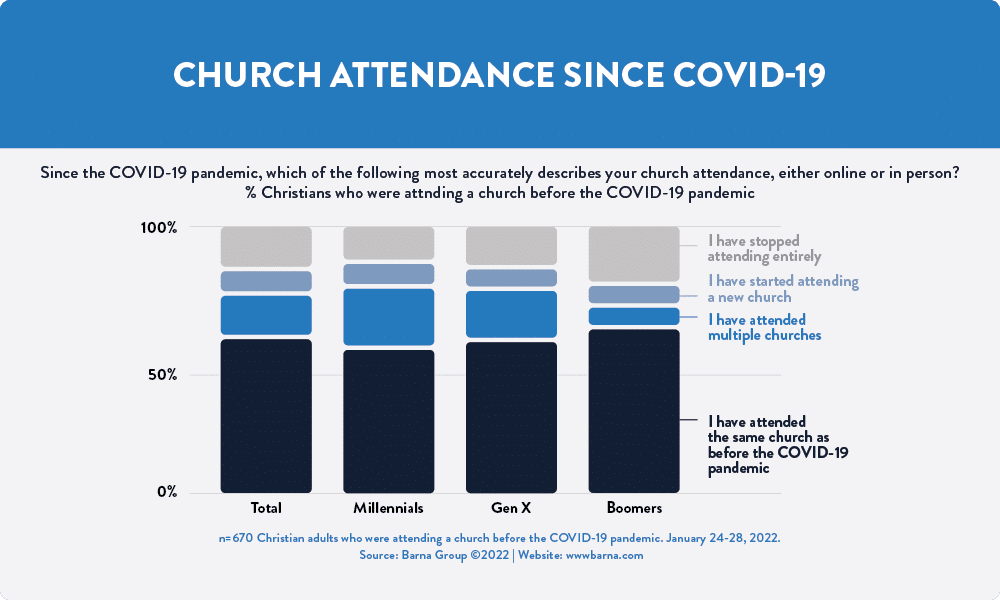
In the quiet hum of pews and the echo of hymns, a transformation is unfolding—one that defies convention and challenges long-held assumptions about faith and community. Church attendance, once a cornerstone of societal rhythm, now dances to the beat of an unpredictable tempo. What if the numbers we’ve clung to for decades no longer tell the full story? What if the decline we’ve mourned is merely the prelude to a renaissance, where tradition and innovation collide in unexpected ways? The story of church attendance in 2025 is not a tale of erosion, but a saga of reinvention—one that demands we look beyond the surface to uncover the forces reshaping spiritual engagement.
The Great Reckoning: Why Attendance Figures No Longer Tell the Whole Story
The traditional metrics of church attendance—weekly pew counts and membership rolls—once painted a clear picture of religious vitality. But today, those numbers are as reliable as a sundial in the digital age. The reality? Attendance is no longer the sole barometer of a congregation’s health or influence. Instead, we’re witnessing a seismic shift where engagement trumps presence, and impact eclipses attendance. Churches that thrive in 2025 are those that have abandoned the illusion of numerical growth as the ultimate measure of success. They’ve embraced a more nuanced understanding: that a single life transformed can ripple through generations, while a packed sanctuary may mask spiritual stagnation.
Consider the paradox: while brick-and-mortar attendance may fluctuate, digital footprints are exploding. Livestreams, podcasts, and interactive online communities are drawing crowds that would have been unimaginable a generation ago. The modern believer no longer needs four walls to encounter the divine—they carry the church in their pocket. This isn’t dilution; it’s democratization. The question isn’t whether people are showing up in person, but whether they’re showing up at all—and in what form.
The Digital Exodus: How Technology is Reshaping Sacred Spaces
If the 20th century was defined by the rise of megachurches, the 21st belongs to the micro-congregations—nimble, decentralized communities that thrive in the cracks of the digital landscape. Platforms like Zoom, YouTube, and specialized faith-based apps have birthed a new kind of spiritual gathering, one that transcends geography and time zones. A pastor in Nairobi can now preach to a congregation in Nebraska without either party leaving their home. A Bible study group in Tokyo can share insights with peers in Buenos Aires, forging bonds that defy borders.
Yet this digital exodus isn’t without its tensions. Critics argue that virtual worship lacks the embodied experience—the warmth of a handshake, the shared breath of a congregation singing in unison. But what if the digital realm isn’t a substitute for the sacred, but a new frontier? What if the Holy Spirit moves just as powerfully through a pixelated screen as through stained glass? The data suggests a resounding yes. Churches that have mastered the art of hybrid engagement—blending in-person intimacy with digital reach—are seeing not just survival, but explosive growth in unexpected places.
The Silent Revolution: Generational Shifts in Spiritual Practice
Generational divides have always shaped religious landscapes, but never before have they fractured the church so dramatically. Millennials and Gen Z aren’t rejecting faith—they’re redefining it. For them, spirituality is no longer confined to Sunday mornings or denominational loyalty. It’s a buffet of experiences: a meditation app in the morning, a podcast sermon during lunch, a small group discussion over coffee at midnight. The rigid structures of yesteryear feel stifling to a generation that values authenticity over tradition, questions over dogma, and experience over ritual.
This isn’t decline—it’s evolution. Churches that cling to the past risk becoming relics, while those that adapt are discovering a hunger for something deeper. The most compelling trend? The rise of intentional communities—groups that gather not out of obligation, but because they’ve found a shared rhythm of life that resonates with their souls. These aren’t passive consumers of religious content; they’re active participants in a faith that feels alive.
The Unseen Metrics: What Really Matters in Modern Church Growth
If attendance numbers are losing their luster, what should we measure instead? The answer lies in the ripple effects of a church’s presence. Are members serving their neighborhoods? Are families growing in generosity? Is the community healthier because of the church’s influence? These are the unseen metrics that reveal true vitality. A church with 200 attendees might have more impact than one with 2,000 if its people are transforming their city one act of kindness at a time.
Consider the phenomenon of micro-churches—small, house-based gatherings that prioritize depth over breadth. These communities often fly under the radar of traditional metrics, yet their influence is profound. A single micro-church might disciple a handful of people so deeply that they, in turn, disciple dozens more. The result? A grassroots movement that spreads like wildfire, unencumbered by the bureaucracy of large institutions.
Another telling sign is the rise of bi-vocational ministry. Pastors who work secular jobs while shepherding a flock are rewriting the rules of vocational ministry. They’re not just preaching sermons—they’re living out faith in the trenches of everyday life, modeling what it means to integrate belief with work, family, and community. Their churches may not boast massive attendance rolls, but their impact is undeniable.
The Global Awakening: How the Church is Growing Where You Least Expect
While Western churches grapple with decline, the global church is experiencing a quiet explosion. In regions where Christianity was once a persecuted minority, vibrant communities are thriving. In Africa, the church is growing at a rate that defies demographic trends. In Asia, underground house churches are multiplying despite government crackdowns. In Latin America, Pentecostal movements are reshaping entire nations. The story of church attendance in 2025 isn’t a Western story—it’s a global one.
This isn’t mere survival; it’s ferment. The fastest-growing churches today are those that have shed the trappings of cultural Christianity and embraced a faith that is raw, unapologetic, and deeply personal. They’re not concerned with keeping up appearances—they’re focused on kingdom impact. And their growth isn’t measured in pews, but in transformed lives.
The Future is Hybrid: Why the Church’s Best Days Are Ahead
The church of 2025 is not a monolith. It’s a mosaic—diverse, dynamic, and defying easy categorization. It’s the megachurch with a robust digital ministry. It’s the tiny house church that meets in a living room. It’s the online community that gathers across continents. It’s the bi-vocational pastor who leads a flock while working a 9-to-5. It’s the young adult who finds God in a podcast before sunrise. The future of the church isn’t a return to the past; it’s a leap into uncharted territory.
The numbers may tell one story, but the heart of the church tells another. It’s a story of resilience, adaptability, and unwavering faith. It’s a story of people who refuse to let tradition become a tomb, but instead, use it as a launchpad for something new. The church isn’t dying—it’s evolving. And those who are paying attention won’t just witness the change—they’ll be part of it.

