

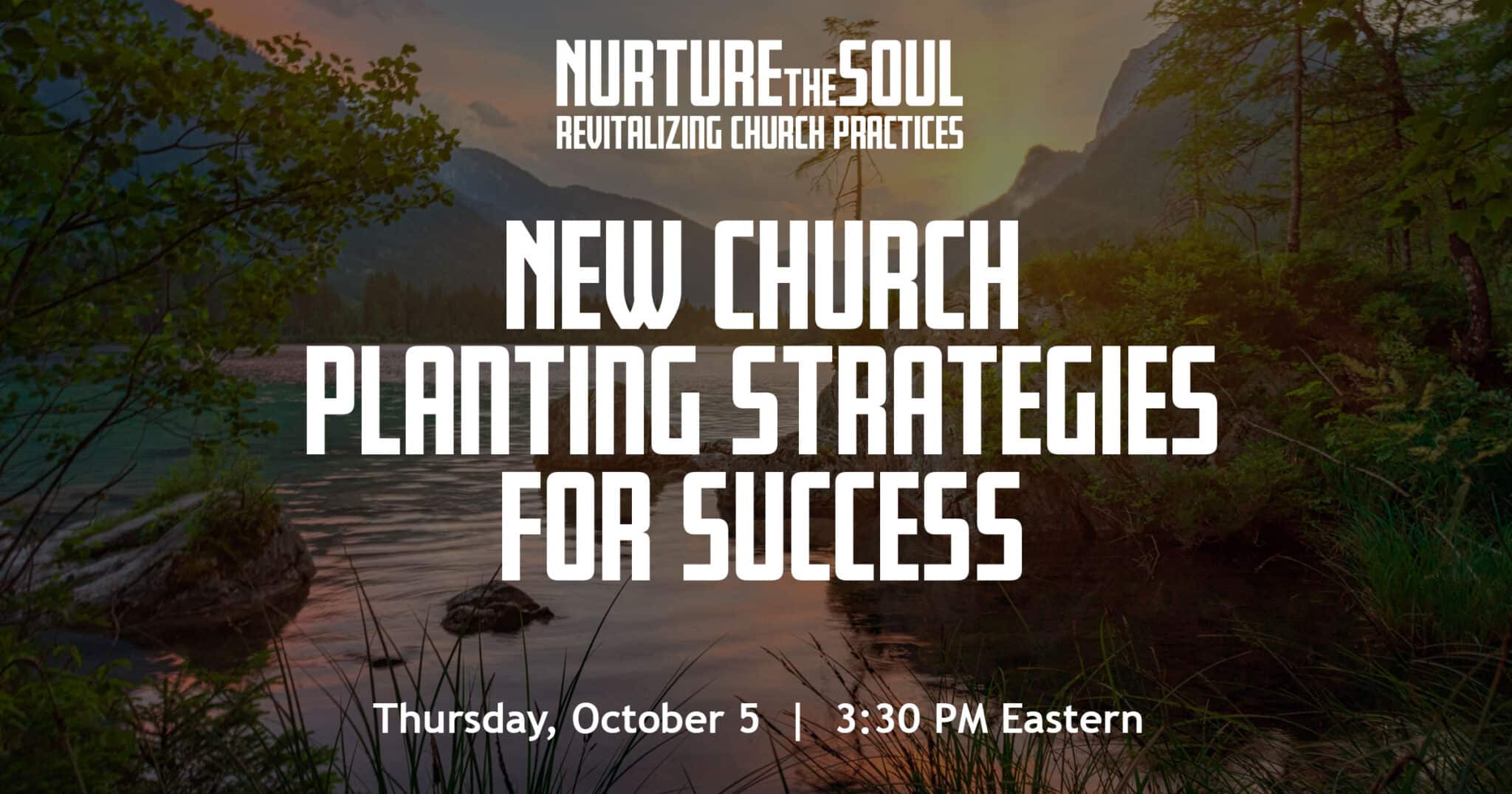
In an era where spiritual hunger intersects with cultural fatigue, the modern church stands at a precipice—one that demands not just survival, but a radiant revival. The stagnation of traditional models has left many congregations yearning for a spark, a divine rekindling that transcends the ordinary. Church revival campaigns are no longer optional; they are a clarion call to reawaken faith, redefine purpose, and reignite the collective soul of the faithful. But how does one orchestrate such a metamorphosis? What alchemy transforms a lukewarm assembly into a blazing furnace of devotion? The answers lie not in mere programming, but in a deliberate, spirit-led revolution of perspective and practice.
The Anatomy of a Revival: Beyond the Surface Stirrings
Revival is not a fleeting emotional surge—it is a tectonic shift in the spiritual landscape. To engineer such a transformation, one must first dismantle the illusion that revival is a product of human effort alone. True revival begins with a collective surrender, a unanimous acknowledgment that the status quo is insufficient. It thrives on the paradox of divine intervention meeting human vulnerability. Campaigns that succeed in sparking revival do so by creating sacred spaces where doubt is met with grace, complacency with conviction, and apathy with awe.
Consider the power of a single question posed to a congregation: “What if God is waiting for us to stop pretending we have it all together?” This is not a rhetorical flourish—it is the first domino in a chain reaction of spiritual awakening. Revival campaigns must, therefore, be designed as laboratories of authenticity, where leaders model brokenness and expectancy, and where the congregation is invited to trade performative piety for raw, unfiltered pursuit of the divine.
Curiosity as the Catalyst: Igniting the Flame of “What If?”
Human curiosity is the most underutilized tool in the church’s arsenal. Most revival campaigns default to guilt, obligation, or fear—tactics that may yield temporary compliance but rarely cultivate lasting transformation. Instead, campaigns that promise a shift in perspective leverage the magnetic pull of “What if?” This phrase is a psychological doorway, inviting people to step beyond the familiar and into the realm of the possible. What if the church could be a place of radical hospitality? What if worship could feel like an encounter rather than a performance? What if discipleship wasn’t a checklist but a journey of discovery?
To stoke this curiosity, campaigns must employ storytelling that transcends the mundane. A sermon on repentance is more compelling when framed as a hero’s return from exile. A call to service becomes irresistible when illustrated through the life of an unlikely saint. The goal is not to manipulate emotions but to awaken dormant longings—to make people feel the ache of a life half-lived without the fullness of God’s presence.
The Role of Disruption: Shattering the Illusion of Comfort
Comfort is the enemy of revival. A church nestled in the warm embrace of tradition may resist the discomfort of change, but revival campaigns must intentionally disrupt the gravitational pull of the status quo. This doesn’t mean reckless innovation or gimmickry; it means introducing sacred dissonance—moments where the congregation is forced to confront the gap between their current reality and God’s intended design.
Disruption can take many forms: an unannounced time of silent reflection in the midst of a lively service, a sermon delivered in a non-traditional setting, or a call to action that requires personal sacrifice. The key is to create cognitive dissonance—the unsettling realization that something must change. When people are jarred from their spiritual autopilot, they become more receptive to the Holy Spirit’s whisper. Revival is not born in the comfort of the familiar; it is forged in the crucible of holy unease.
Community as the Crucible: The Power of Shared Vulnerability
Isolation is the soil in which spiritual stagnation grows. Revival campaigns that prioritize individual experiences over communal transformation often fizzle out, leaving participants spiritually adrift. The most potent revivals in history—from the First Great Awakening to the Welsh Revival—were not solo endeavors but collective movements where shared vulnerability became the catalyst for divine encounter.
To harness this power, campaigns must foster environments where people can confess, question, and dream together. Small groups designed for raw honesty, corporate prayer marathons, and testimonies of transformation are not ancillary to revival—they are its lifeblood. When a congregation realizes they are not alone in their struggles, their faith becomes contagious. The church’s greatest weapon against spiritual lethargy is not a polished program but a community that refuses to let anyone remain unchanged.
From Spectacle to Sacrament: Redefining the Church’s Role
Modern revival campaigns often fall into the trap of equating success with spectacle—massive events, high-energy worship, and celebrity speakers. While these elements can create momentum, they are not the essence of revival. True revival is not measured by attendance numbers or social media engagement; it is measured by the quiet, persistent transformation of lives. The church’s role is not to entertain but to facilitate an encounter with the sacred.
This requires a shift from performative faith to sacramental living. Sacraments are not just rituals; they are visible signs of invisible grace. A revival campaign that prioritizes the sacrament of reconciliation, the sacrament of community, and the sacrament of service will leave a lasting imprint. When people leave a service feeling as though they have participated in something holy—not just watched it—they carry that encounter into their daily lives. Revival is not a one-time event; it is a way of being.
The Long Game: Sustaining the Spark Beyond the Campaign
Even the most electrifying revival campaign will fade if it is not embedded in a long-term strategy. The temptation is to treat these initiatives as isolated revivals rather than as the beginning of a lifelong journey. The most successful campaigns are those that plant seeds for ongoing transformation, equipping believers to carry the revival into their homes, workplaces, and neighborhoods.
This means investing in discipleship pathways that extend beyond the campaign’s timeline. It means training leaders who can sustain the momentum. It means creating rhythms of prayer, worship, and service that outlast the initial excitement. Revival is not a sprint; it is a marathon run in the power of the Holy Spirit. The goal is not to manufacture a moment but to cultivate a movement.
The church’s future does not hinge on better programs or more charismatic leaders—it hinges on a willingness to die to what has been and embrace what could be. Revival campaigns are not about returning to a golden age; they are about stepping into a new dawn. The question is not whether revival is possible, but whether the church is willing to pay the price to see it come to pass. The answer lies not in our strength, but in our surrender.

