

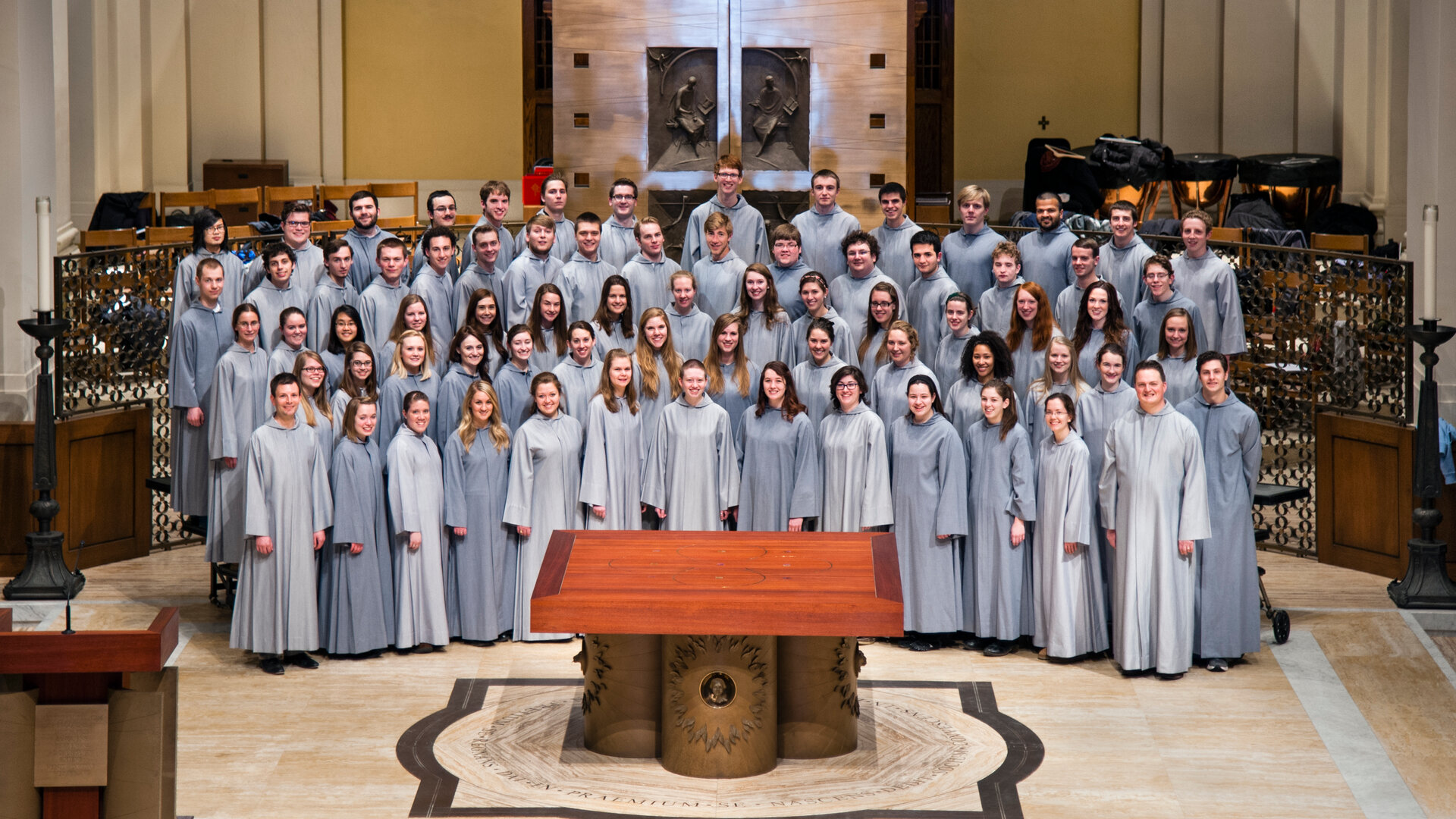
In the ever-evolving landscape of faith and devotion, the intersection of music and liturgy stands as a vibrant tapestry, weaving tradition with innovation. The sacred spaces where communities gather are no longer static; they pulse with the rhythm of contemporary sounds, ancient chants, and the unspoken yearnings of the soul. From the soaring harmonies of a cathedral choir to the intimate strum of a guitar in a small parish hall, music has always been the heartbeat of worship. Yet today, the fusion of tradition and modernity is reshaping how we experience the divine, creating a dynamic dialogue between the past and the future. This exploration delves into the multifaceted trends that are redefining church music and liturgy, offering readers a panoramic view of what to expect in sacred spaces near and far.
The Resurgence of Gregorian Chant and Plainchant in Modern Liturgies
There is a quiet revolution unfolding in the hallowed halls of liturgy, one that whispers rather than shouts. Gregorian chant, with its hauntingly beautiful monophonic melodies, is experiencing an unexpected renaissance. Once relegated to the shadows of history, these ancient plainsongs are now reclaiming their place in contemporary worship. Parishes and monastic communities alike are reintroducing chant into their liturgies, not as a nostalgic throwback, but as a deliberate choice to anchor modern worship in the timeless cadence of the Church’s musical heritage. The effect is profound: congregations find themselves transported beyond the noise of daily life, into a space where time seems to dissolve, and the sacred becomes palpable. This resurgence is not merely about aesthetics; it is a theological statement, a reclaiming of the Church’s earliest musical language as a vessel for prayer.
The Rise of Contemporary Worship Bands and Their Liturgical Role
Yet, the pendulum of liturgical music swings both ways. In many vibrant parishes, the electric guitar, the drum set, and the amplified voice have become as integral to worship as the organ once was. Contemporary worship bands, often led by passionate musicians with backgrounds in rock, pop, or folk, are redefining the sonic landscape of the Mass. These ensembles bring a raw, emotional energy to liturgy, one that resonates deeply with younger generations. The lyrics—often original compositions—are crafted to reflect the lived experiences of modern believers, blending scriptural truths with the language of today. Critics argue that this shift risks diluting the sacredness of liturgy, but proponents counter that it revitalizes it, making the divine accessible to those who might otherwise feel estranged from tradition. The key, they say, lies in balance: integrating contemporary sounds without losing sight of the liturgy’s solemnity.
Liturgical Dance: Movement as a Form of Prayer
Worship is not confined to the vocal cords or the strum of strings; it is also a physical act. Liturgical dance, once a rarity in many Western traditions, is gaining traction as a powerful expression of devotion. Dancers, adorned in flowing robes or simple garments, move in response to the music, their bodies becoming instruments of praise. This practice draws from ancient traditions, such as those found in the psalms, where dance is celebrated as a form of worship. In some churches, liturgical dance is woven into the liturgy itself—during processions, the offertory, or even the consecration. The sight of a dancer twirling in reverence can evoke a sense of awe, a visual sermon that transcends words. For those who participate or witness, it is a reminder that worship is not just heard but felt, not just seen but experienced in the fullness of the body.
The Digital Reformation: Streaming, Playlists, and Virtual Choir Experiences
The digital age has irrevocably altered the way we engage with music, and liturgy is no exception. Streaming platforms now host entire liturgical playlists, from Advent hymns to Easter anthems, allowing worshippers to curate their spiritual soundtracks. Virtual choirs, where singers from across the globe record their parts individually and merge them into a single performance, have become a symbol of unity in diversity. These innovations democratize access to sacred music, enabling those in remote parishes or homebound individuals to partake in the musical tapestry of the Church. Yet, they also pose challenges: the loss of communal singing, the potential for passive consumption over active participation. The question lingers—can digital liturgical music deepen our faith, or does it risk reducing worship to a background soundtrack?
Multicultural and Global Influences in Church Music
The Church has always been a global body, and its music is reflecting that diversity more than ever. From the rhythmic drumbeats of African liturgical music to the intricate harmonies of Slavic chant, the sounds of worship are becoming a mosaic of cultures. Parishes are incorporating instruments like the djembe, the sitar, or the kalimba into their liturgies, creating a richer, more inclusive sonic environment. This trend is not just about novelty; it is a theological imperative. The Second Vatican Council’s call for the Church to be a “universal sacrament of salvation” is echoed in the music that now fills its sanctuaries. When a congregation sings in Swahili, Tagalog, or Spanish alongside Latin or English, it becomes a living testament to the Church’s catholicity—the unity of faith expressed in the diversity of its people.
The Role of Silence and Minimalism in Sacred Spaces
Amidst the crescendos of contemporary worship and the polyphony of global sounds, there is a counter-trend gaining momentum: the embrace of silence and minimalism. In an era of constant noise, the value of stillness is being rediscovered. Some liturgies now incorporate extended periods of silence, allowing worshippers to reflect, pray, or simply listen to the whispers of the Holy Spirit. Minimalist compositions, with their sparse instrumentation and meditative qualities, are also finding a place in worship. Think of a lone cello playing a slow, aching melody, or a single voice singing a wordless chant. These moments of quietude are not empty; they are pregnant with meaning, offering a space for the soul to encounter God without distraction. In a world that clamors for attention, silence becomes a radical act of faith.
Youth-Led Worship: Empowering the Next Generation of Liturgical Musicians
The future of church music lies in the hands of the young, and many parishes are recognizing this by placing youth at the forefront of liturgical leadership. Youth-led worship bands, choirs, and even songwriting initiatives are flourishing, giving teenagers and young adults a voice in shaping the musical identity of their communities. These young musicians bring fresh perspectives, blending their cultural influences with the traditions of the Church. Their music often reflects the struggles and triumphs of their generation—topics like mental health, social justice, and environmental stewardship find their way into hymns and anthems. The result is a liturgy that feels alive, relevant, and deeply personal. When young people see their contributions valued, they are more likely to remain engaged in the life of the Church, ensuring that its musical traditions continue to evolve.
Theological Underpinnings: How Music Shapes Doctrine and Experience
Beyond the notes and rhythms, music in worship carries profound theological weight. It is not merely an accompaniment to liturgy; it is a participant in it. The choice of hymns can shape how a congregation understands the Eucharist, the nature of God, or the call to discipleship. A slow, contemplative piece might invite reflection on the crucifixion, while a joyful, syncopated rhythm could underscore the resurrection’s triumph. Music has the power to make abstract doctrines tangible, to translate theology into emotion. Composers and liturgists are increasingly aware of this, crafting music that not only sounds beautiful but also deepens the worshipper’s understanding of the mysteries they celebrate. In this way, music becomes a bridge between the head and the heart, the intellect and the spirit.
Conclusion: A Harmonious Future for Church Music and Liturgy
The trends shaping church music and liturgy today are as diverse as the communities they serve. From the ancient echoes of Gregorian chant to the digital frontiers of virtual choirs, from the rhythmic pulse of multicultural rhythms to the profound stillness of minimalism, the landscape of worship is expanding in ways that honor both tradition and innovation. What remains constant is the desire to encounter the divine, to lift voices in praise, and to find meaning in the sacred. As these trends continue to unfold, one thing is clear: the future of liturgical music will be as rich and varied as the people who sing it. For those who listen closely, the melodies of the present are not just sounds—they are the whispers of a faith that refuses to be confined by the limits of time or tradition.

