

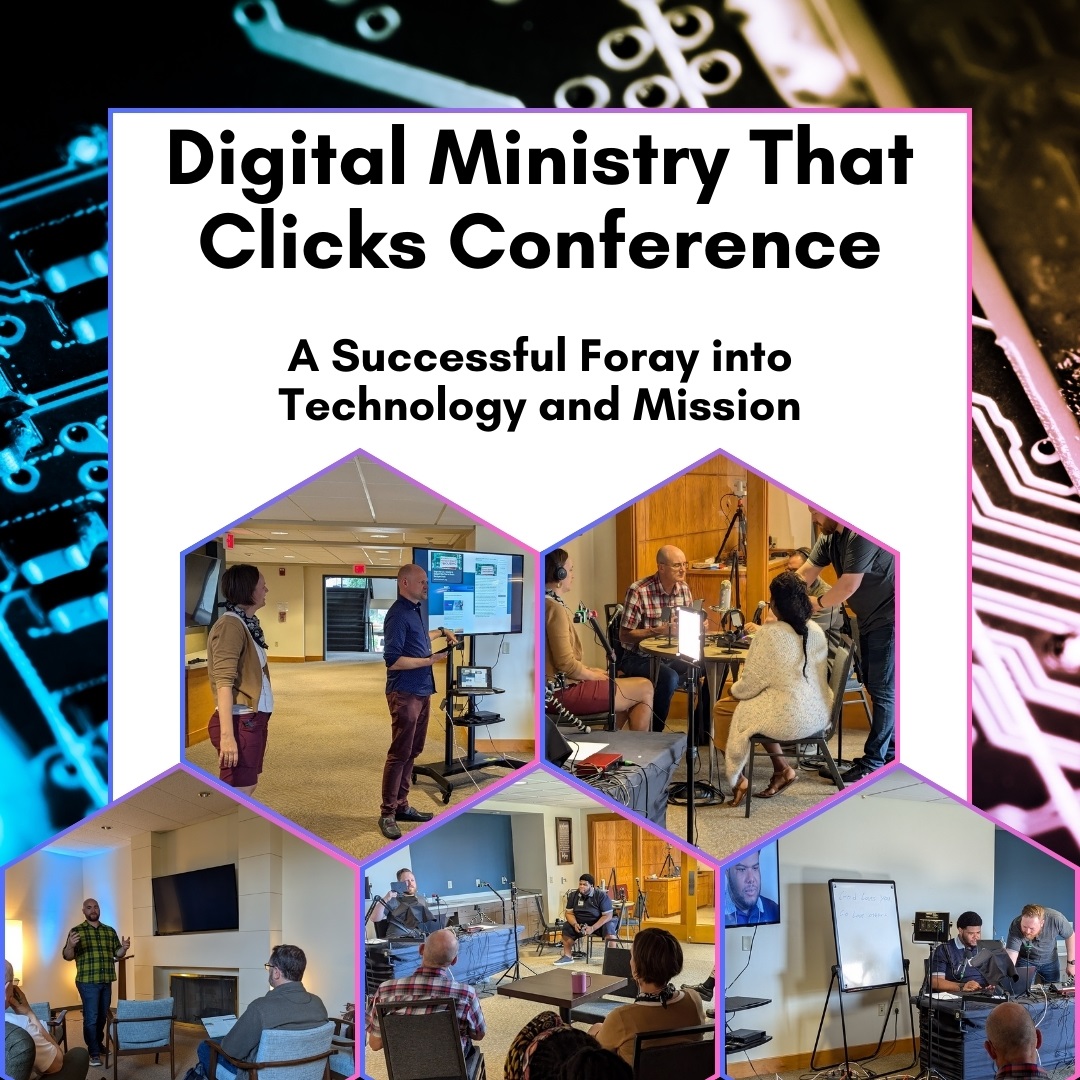
In an era where the digital realm pulsates with relentless energy, the church stands at a crossroads of tradition and innovation. The ancient echoes of pulpits and pews now resonate alongside the hum of servers and the glow of screens. Digital ministry is not merely a trend—it is a seismic shift, a sacred calling to meet people where they are: online. This transformation is not just about technology; it is about connection, relevance, and the timeless mission of spreading hope in a fragmented world.
The Digital Parish: A New Frontier for Community
The modern believer is no longer confined to a physical sanctuary. The digital parish stretches across continents, transcending time zones and cultural barriers. Social media platforms, streaming services, and interactive apps have become the new town squares, where faith is discussed, doubts are aired, and fellowship is fostered. Churches that embrace these tools are not abandoning their roots; they are planting them in fertile soil, where the seeds of the Gospel can take root in hearts that might never step inside a traditional church.
Consider the power of a live-streamed sermon reaching a single parent at 2 AM, or a Bible study app guiding a young professional through their commute. These are not mere conveniences—they are lifelines. Digital ministry dismantles the illusion of isolation, weaving a tapestry of believers who gather not in one place, but in many, united by a shared purpose. The church’s mission has always been to be a beacon of light; now, that light flickers in pixels as much as in stained glass.
The Algorithm of Grace: Leveraging Technology for Evangelism
Algorithms are often seen as cold, calculating forces, but in the hands of a digitally savvy church, they can become instruments of divine serendipity. Platforms like Facebook, Instagram, and YouTube are not just tools—they are modern-day agoras, where conversations about faith unfold in real time. A well-crafted post, a thoughtfully targeted ad, or a viral video can introduce the message of hope to someone who has never considered it before.
Yet, this is not about chasing trends or exploiting algorithms for hollow engagement. It is about understanding the digital landscape as a mission field. The key lies in authenticity. When a church shares its story—its struggles, its triumphs, its raw humanity—it resonates. People are not looking for polished perfection; they are seeking genuine connection. A candid livestream, a behind-the-scenes glimpse of ministry life, or a transparent discussion about doubt can forge bonds that transcend the digital divide.
The challenge, then, is not whether to use technology, but how to use it wisely. The church must ask: Are we speaking the language of the digital native, or are we merely broadcasting into the void? The answer lies in intentionality—crafting content that invites, that challenges, that comforts. In doing so, the Gospel becomes not a relic of the past, but a living, breathing force in the present.
The Paradox of Presence: Virtual Intimacy in a Hyperconnected World
There is a paradox at the heart of digital ministry: the more connected we become online, the more disconnected we often feel in reality. Yet, paradoxically, the digital world can also foster a deeper sense of intimacy. A prayer request shared in a private Facebook group, a Zoom small group where faces light up with shared laughter, or a podcast that feels like a conversation with a trusted friend—these are not superficial interactions. They are the modern equivalents of the early church’s gatherings in homes, where faith was lived out in close-knit communities.
The danger, of course, is mistaking digital interaction for true communion. The church must guard against the illusion of connection without depth. This means creating spaces where vulnerability is welcomed, where questions are encouraged, and where the Holy Spirit is invited to move. It means balancing the convenience of online engagement with the sacredness of in-person fellowship. The goal is not to replace the physical gathering but to enrich it, to ensure that no one is left on the fringes of the community.
In this digital age, the church’s call is to be both a lighthouse and a hearth—a beacon that guides the lost and a home that welcomes the weary. The screen is not the enemy; it is a tool, a bridge, a means to an end. The end, as always, is love.
The Discipleship Dilemma: Nurturing Growth in a Scrolling World
Discipleship in the digital age is a delicate dance. On one hand, the internet offers an unprecedented wealth of resources—sermons, devotionals, online courses, and interactive Bible studies. On the other, the constant barrage of notifications, memes, and endless content can leave the soul starved for substance. How does the church nurture spiritual growth when attention spans are measured in seconds and wisdom is often reduced to soundbites?
The answer lies in intentional design. Churches must curate digital spaces that prioritize depth over distraction. This might mean a weekly email newsletter that digs into Scripture with thoughtful commentary, or a private online community where members can engage in meaningful discussion. It could be a podcast that explores the intersection of faith and culture, or a mobile app that guides users through a seasonal devotional plan. The key is to meet people where they are—not just geographically, but spiritually and intellectually.
Yet, discipleship cannot thrive on digital bread alone. The church must also cultivate a culture of curiosity, encouraging believers to ask hard questions, to wrestle with doubt, and to seek God in both the sacred and the secular. The digital world is a vast library, but it is not a substitute for the living Word or the guidance of the Holy Spirit. The most effective digital ministries are those that point beyond themselves—to the transformative power of a personal relationship with Christ.
The Future Unfolds: Embracing the Unknown with Faith
The digital frontier is still uncharted territory, and the church’s journey into it is fraught with uncertainty. What will the next wave of technology bring? How will AI, virtual reality, and emerging platforms reshape the way we worship and witness? These questions are not just about strategy; they are about faith. The church has always been at its best when it steps into the unknown with courage, trusting that God’s Spirit goes before it.
What is clear is that the digital world is not a passing phase. It is the new reality, and the church must engage with it wholeheartedly. This does not mean abandoning tradition or diluting doctrine. It means reimagining how we live out the Great Commission in a world where the mission field is as vast as the internet itself. It means being present—not just in the pews, but in the feeds, the streams, and the conversations that shape modern life.
The digital ministry is not a departure from the church’s mission; it is an evolution of it. It is a call to be the hands and feet of Christ in pixels and pixels of light. And as the church steps into this new era, it does so with the same conviction that has sustained it for centuries: that the Gospel is not bound by walls or wires, but is alive, active, and ready to transform lives—one click at a time.

