

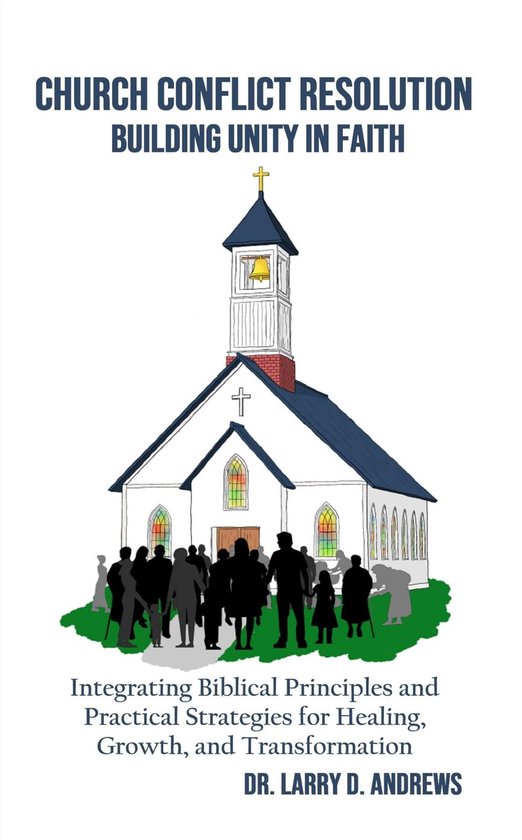
When the echo of a hymn fades and the last prayer is whispered, an unexpected silence can sometimes give way to something far less harmonious—conflict. Even in a sanctuary built on love, the sparks of disagreement can ignite, threatening to fracture the very fabric of community that binds believers together. In the heart of every congregation, the question lingers: can a simple discussion about pew carpet colors evolve into a theological showdown that splinters a flock? The challenge is not merely to settle disputes, but to prevent division before it takes root.
The Anatomy of Church Conflict
Church conflict rarely announces itself with fanfare. It often seeps in through ordinary channels: differing interpretations of doctrine, divergent cultural practices, or even the most mundane of administrative decisions. When personal convictions clash with communal expectations, ecclesiastical dissonance can arise, creating a subtle friction that erodes trust. The subtle nuances of liturgical preferences can become the fulcrum upon which larger schisms swing, turning seemingly innocuous preferences into battlegrounds of belief.
Biblical Foundations of Unity
Scripture offers a compass for navigating turbulence. Verses such as Ephesians 4:3 urge believers to “make every effort to keep the unity of the Spirit through the bond of peace.” This divine imperative underscores that unity is not a passive by‑product but an active pursuit. The soteriological narrative of reconciliation—God’s act of mending broken humanity—serves as the ultimate model for communal restoration. By anchoring conflict resolution in the story of redemption, congregations can transform discord into an opportunity for collective sanctification.
The Art of Listening: Communication as Armor
Active listening functions as both shield and bridge. When a member shares a concern, listening with genuine empathy—rather than formulating a rebuttal—demonstrates respect and validates the speaker’s experience. Short, affirming sentences (“I hear you,” “That sounds difficult”) interweave with longer explanatory passages, allowing the listener to grasp the full context. This dialectic of brevity and depth creates a communicative rhythm that mitigates misunderstandings, turning potential confrontations into collaborative dialogues.
Mediation and Reconciliation: A Pathway to Peace
In moments when direct conversation stalls, a trusted mediator can act as a catalyst. Mediation is not about imposing a verdict but about facilitating mutual understanding. A seasoned pastor or an elder trained in conflict transformation can guide parties through the labyrinth of feelings, interests, and values, employing techniques such as “interest‑based bargaining” to uncover shared goals. The process of reconciliation mirrors the grace extended through Christ: confession, forgiveness, and renewed covenant.
Leadership as a Catalyst for Cohesion
Leaders within the congregation wield the power to shape a culture of cohesion. By modeling humility, transparency, and a willingness to admit fault, pastors and elders can dissolve hierarchical barriers that often fuel resentment. The practice of “ servant‑leadership” encourages leaders to prioritize the wellbeing of the community over personal prestige. When leaders openly address tensions—such as budget allocations or worship style choices—they preempt the rumor mill and replace speculation with clarity.
Preventive Practices: Nurturing a Culture of Grace
Prevention begins with routine rituals that reinforce communal bonds. Regular fellowship meals, shared service projects, and restorative prayer vigils serve as social glue. Additionally, instituting a “grace‑centered covenant” at the onset of any new ministry initiative can set expectations, making it clear that disagreements will be handled with compassion rather than confrontation. By embedding grace into the church’s rhythm, the congregation becomes resilient against the encro

