

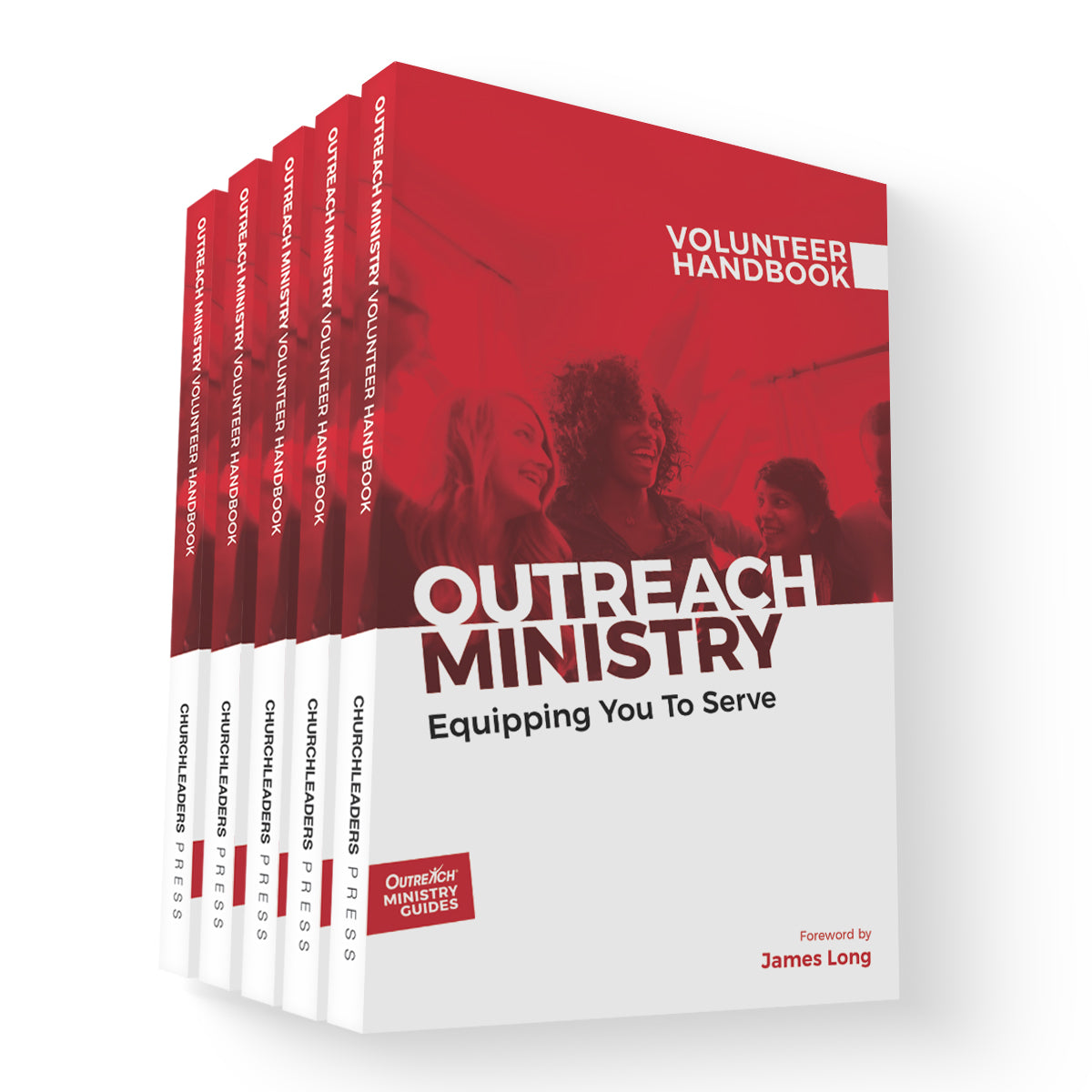
What if the most transformative outreach isn’t found in grand gestures, but in the quiet pages of a book? The right volume can spark conversations, ignite passions, and bridge divides in ways a sermon alone never could. For churches seeking to deepen their community engagement, books aren’t just tools—they’re lifelines to hearts and minds hungry for meaning. Yet, the challenge isn’t merely finding *any* book; it’s uncovering the ones that resonate, challenge, and inspire. How do we sift through the noise to discover the titles that will truly move the needle? Let’s embark on a journey through the literary landscape of outreach, where every chapter holds the potential to rewrite lives.
The Power of Story: Why Books Outshine Sermons in Outreach
At first glance, a sermon feels like the natural heartbeat of a church’s outreach. It’s immediate, communal, and steeped in tradition. But books? They’re patient. They linger. A well-chosen book doesn’t demand attention—it invites it. Consider the difference between a fleeting sermon and a dog-eared novel left on a coffee table, its margins filled with underlines and margin notes. Books don’t just preach; they converse. They meet people where they are, whether that’s a coffee shop, a hospital bed, or a lonely night at home. They’re the silent missionaries, slipping into lives unannounced and leaving behind seeds of curiosity.
Take, for example, a young mother struggling with postpartum depression. A sermon might offer temporary solace, but a book like *The Ruthless Elimination of Hurry* could become her lifeline—a guide to slowing down and rediscovering her faith. Or consider the skeptic who scoffs at religious platitudes. A novel like *The Shack* doesn’t preach; it tells a story that disarms defenses and opens doors to deeper questions. Books don’t just inform—they transform. They’re the Trojan horses of outreach, carrying truth inside narratives that feel safe, relatable, and even entertaining.
Curating a Library That Speaks to the Unchurched
The art of outreach through books begins with curation. Not every book will resonate, and not every reader is the same. A church’s outreach library should be as diverse as the community it serves. Start with accessibility. Books like *Jesus Calling* or *The Case for Christ* are accessible to newcomers, their language warm and inviting. But don’t stop there. Venture into genres that might surprise: sci-fi fans could be drawn to *The Chronicles of Narnia*, while poetry lovers might find solace in *The Message*’s contemporary phrasing. The goal isn’t to preach at people but to meet them where their interests lie.
Consider the power of a book club. A church could host monthly gatherings where attendees discuss a book—not as a religious text, but as a piece of literature. The conversation naturally flows toward faith, but the entry point is neutral ground. Imagine a group discussing *The Alchemist* and stumbling upon themes of destiny and divine purpose. The discussion isn’t forced; it’s organic. This approach turns passive readers into active participants in their spiritual journey.
But curation isn’t just about content—it’s about presentation. A book left on a park bench with a note saying, “Thought you might enjoy this,” is more likely to be picked up than one handed out in a church foyer. The packaging matters. A sleek, modern design appeals to younger audiences, while a classic leather-bound Bible might resonate with older generations. The key is to make the book feel like a gift, not a sermon.
The Challenge of Relevance: Avoiding the “Preachy” Trap
Here’s the rub: not every book will land. A well-intentioned outreach program can backfire if the material feels too heavy-handed. The line between inspiration and indoctrination is thin, and crossing it can alienate rather than engage. The challenge lies in selecting books that spark curiosity without triggering defenses. A book like *Blue Like Jazz* walks this tightrope masterfully—it’s honest, self-deprecating, and deeply spiritual without being preachy. It’s the kind of book that makes an atheist laugh out loud while subtly questioning their own beliefs.
Another pitfall is assuming that only overtly Christian books will work. The truth is, secular books often plant seeds more effectively. A novel like *The Road* by Cormac McCarthy, with its themes of hope in darkness, can open doors to conversations about faith that a direct gospel tract never could. The key is to focus on the universal questions—purpose, suffering, redemption—and let the answers emerge naturally from the discussion.
So how do churches avoid the “preachy” trap? By listening first. Survey the community. What are their struggles? Their dreams? Their favorite genres? A book on financial stewardship might resonate in a working-class neighborhood, while a memoir about overcoming addiction could speak to a recovering community. The most effective outreach books are the ones that feel tailor-made, even if they’re mass-produced.
From Pages to Action: Turning Reading into Community Impact
Books alone won’t change the world—but the conversations they inspire might. The real magic happens when a church takes the next step: turning reading into action. A book club isn’t just a discussion group; it’s a launchpad for service projects, volunteer initiatives, and deeper community ties. Imagine a group that reads *The Hate U Give* and decides to partner with a local youth center. Or a church that uses *Just Mercy* as a catalyst to advocate for criminal justice reform. The book becomes the spark, but the church’s involvement turns it into a flame.
Another powerful approach is the “book exchange” model. Partner with local businesses to set up book nooks where people can take a book and leave one. Stock them with a mix of spiritual and secular titles, ensuring there’s something for everyone. The church’s role? To maintain the nooks, perhaps adding a small plaque inviting people to visit on Sundays if they’re curious. It’s a low-pressure way to plant seeds without ever uttering a word about faith.
But perhaps the most transformative use of books in outreach is mentorship. Pair a seasoned church member with someone new to faith, using a book as a guide. The mentor doesn’t preach; they listen, share their own struggles, and let the book do the talking. This model fosters organic relationships and allows faith to grow in its own time. It’s outreach without the agenda—just a shared journey.
The Digital Frontier: Books in the Age of Scrolling
In a world where attention spans are measured in seconds, how do books compete with TikTok and Instagram reels? The answer lies in meeting people where they are—digitally. Audiobooks and e-books are game-changers for outreach. A busy professional might listen to *The Ragamuffin Gospel* during their commute, while a teen glued to their phone could stumble upon a free PDF of *The Chronicles of Narnia* shared on a church’s social media. The key is to make books as accessible as a viral meme.
Churches can also leverage technology to create interactive experiences. Imagine an app where users can read a chapter of a book each day, then join a live Q&A with the author or a church leader. Or a podcast that explores the themes of a book, blending storytelling with real-life applications. The digital space isn’t a replacement for physical books—it’s an extension, a way to meet people in the mediums they already inhabit.
But even in the digital age, the tactile experience of a book holds power. A handwritten note tucked inside the cover—“This chapter reminded me of you”—can turn a book into a keepsake. The goal isn’t to abandon physical books but to embrace all formats, ensuring that outreach reaches people wherever they are, both online and off.
The Ripple Effect: How One Book Can Change a Community
It’s easy to underestimate the ripple effect of a single book. A church in a small town started a “Book of the Month” program, selecting titles that addressed local issues like addiction and poverty. Within a year, the church saw a 30% increase in volunteerism, and several participants joined small groups. The book wasn’t the sole catalyst—it was the conversation starter. It gave people a reason to gather, to share, and to act.
Another church used a graphic novel adaptation of the Gospel of Luke to reach a younger audience. The visual storytelling made the message accessible to teens who might never crack open a Bible. Within months, the church’s youth group doubled in size, and several teens began volunteering in community service projects. The book wasn’t just a tool—it was a bridge.
These stories remind us that outreach isn’t about numbers or metrics. It’s about people. It’s about the single mom who finds hope in the pages of a memoir, the skeptic who questions their beliefs after reading a novel, or the teenager who discovers their purpose through a story. Books have the power to change lives, one reader at a time. The challenge isn’t whether we can do it—it’s whether we’re brave enough to try.

