

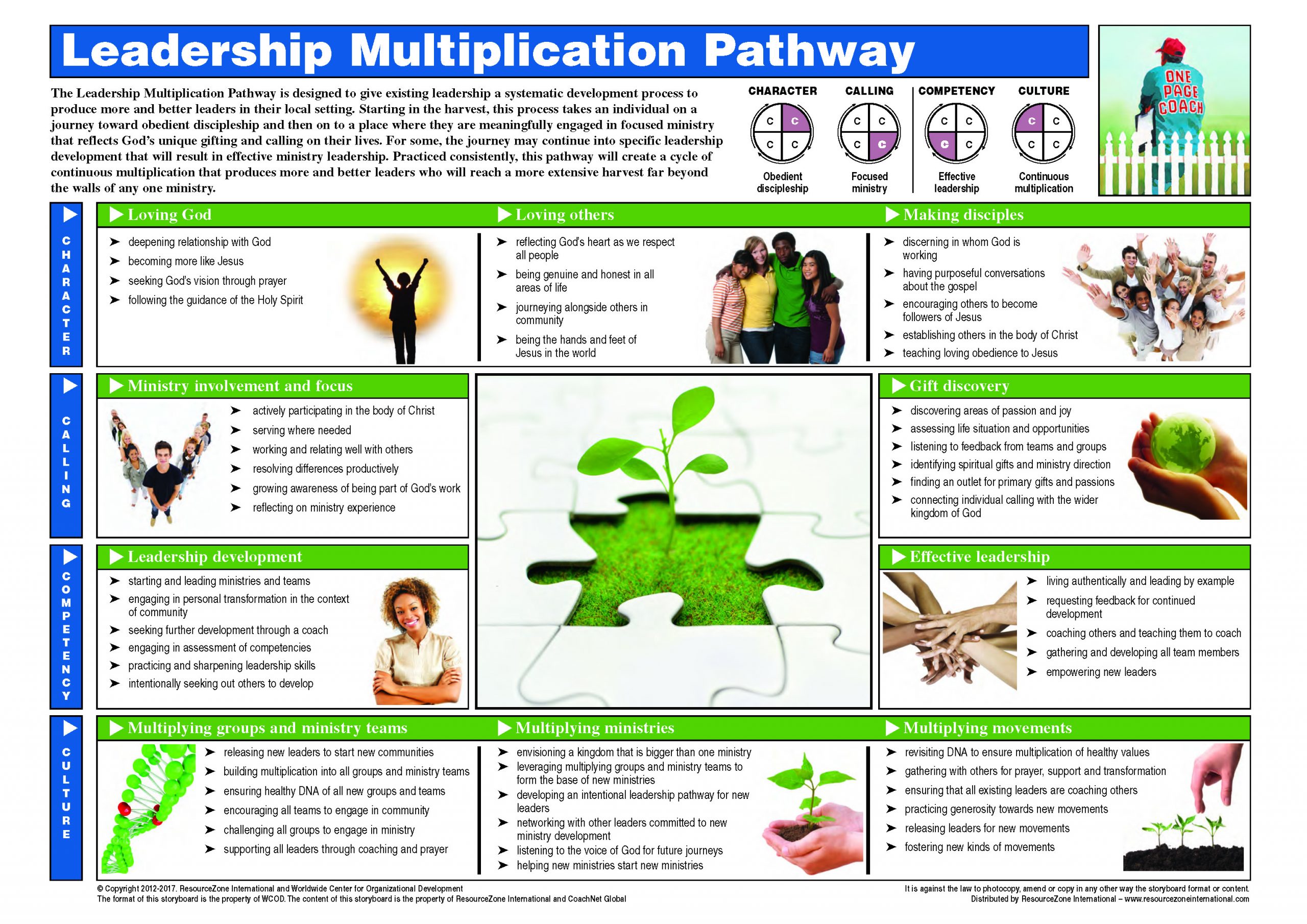
Training church leaders for multiplication is a strategic endeavor that intertwines spiritual formation, practical skill acquisition, and systemic replication of ministries. When done with intentional design, it creates a ripple effect that expands the Kingdom’s influence far beyond a single congregation, spawning new cells, ministries, and churches that embody the same Gospel vitality. The following guide delineates an extensive outline for cultivating multiplicatively-minded leaders, highlighting the types of content readers can expect within each section.
Visionary Clarification: Casting a Multiplicative Mindset
Effective multiplication begins with a clear articulation of purpose. Leaders must internalize a vision that not only celebrates individual growth but also prizes the replication of that growth across generations. Content in this section typically blends scriptural narrative with contemporary case studies, showing how the early church in Acts 2:42‑47 modeled communal expansion. Expect concise bullet points that distill core values—such as “reproducing disciples, not just attendees,” and “cultivating a culture of sending”—alongside reflective prompts that encourage readers to internalize these aspirations.
Theological Grounding: Biblical Foundations of Multiplication
Sound doctrine undergirds sustainable multiplication. This segment offers an exegetical tour through passages like Matthew 28:19‑20, 2 Timothy 2:2, and the “parable of the seeds” (Mark 4:14‑20). Readers will encounter an analysis of “organic replication” versus “programmatic duplication,” using terminology like “ontological formation” to describe how the inner life of a believer is reshaped to emit Christ‑like attributes. In-depth explanations will link the concept of the Trinity as a perichoretic community to the notion of reciprocal leadership.
Formation Pathways: Structured Curriculum for Emerging Leaders
Transitioning from vision to execution requires a systematic curriculum. Content here often includes module breakdowns: (1) Identity & Calling, (2) Scripture Engagement & Hermeneutics, (3) Discipleship Dynamics, (4) Missional Deployment, and (5) Leadership Management. Each module may contain reading lists, video lectures, and interactive worksheets. The language emphasizes “learning arcs” and “competency ladders,” ensuring that participants progress from foundational knowledge to advanced application. Diagrams illustrate how these pathways intersect, highlighting “feedback loops” that reinforce learning.
Experiential Learning: Hands‑On Ministry Laboratories
Theory without practice yields fleeting results. This section advocates for “ministry laboratories”—real‑world environments where emerging leaders pilot new initiatives under supervision. Expect narratives describing pilot cells in urban neighborhoods, rural fellowships, or diaspora communities. The content outlines how to scaffold such labs: setting measurable objectives, providing mentorship, and documenting outcomes. Uncommon terminology like “praxis crucible” underscores the transformative intensity of on‑the‑job training.
Mentoring Ecosystems: Peer Networks and Cohort Dynamics
No leader multiplies alone; they need a robust relational web. Content explores cohort models, mentor‑mentee covenants, and peer‑learning circles. Detailed explanations detail how to form “apostolic bands” that meet weekly for prayer, case debriefs, and strategic planning. Tips include establishing clear communication protocols, employing digital collaboration tools, and designing accountability charts. The segment also addresses the balance between hierarchical oversight and egalitarian collaboration, using the term “reciprocal authority.”
Assessment & Feedback: Metrics for Growth and Replication
Measuring multiplication requires both qualitative and quantitative gauges. This part delineates key performance indicators (KPIs) such as “disciple‑to‑disciple ratio,” “new leader identification rate,” and “sustained ministry viability.” Readers receive templates for periodic self‑assessment, sample rubrics, and feedback forms that emphasize growth narratives rather than mere numeric scoring. Emphasis is placed on “formative feedback loops” that guide corrective action without stifling Spirit‑driven innovation.
Resource Deployment: Tools, Materials, and Digital Platforms
Accessible resources amplify training impact. The content covers a curated library: e‑books on missional ecclesiology, audio podcasts featuring seasoned pastors, and printable field guides. It also highlights proprietary software for tracking disciple‑making轨迹, as well as open‑source apps for community prayer and goal setting. Detailed instructions guide leaders on how to adapt these resources to local contexts, using the concept of “glocal adaptation”—global resources, local relevance.
Sustaining Momentum: Ongoing Coaching, Retreats, and Refreshers
Initial training is only the launchpad; continual refinement is essential. This section introduces “coaching cadences”—monthly one‑on‑one sessions, quarterly retreats, and annual refreshers designed to re‑energize leaders. Content offers retreat agendas emphasizing contemplative practices, strategic vision‑casting, and inter‑church fellowship. It also presents a “resilience matrix” to help leaders identify burnout precursors and implement restorative rhythms.
Overcoming Obstacles: Navigating Resistance, Burnout, and Cultural Barriers
Multiplication inevitably meets friction. Here, readers encounter case studies of resistance within traditional hierarchies, strategies for addressing theological objections, and culturally-sensitive frameworks for diaspora ministries. Terminology such as “cultural dissonance mitigation” and “adaptive tension management” appears. Practical tools include conflict‑resolution scripts, prayer strategies for spiritual warfare, and “boundary resetting” exercises.
Celebrating Milestones: Story‑Based Reinforcement and Testimonials
Stories cement the multiplication narrative. This final segment curates testimonies from leaders who have launched daughter churches, cellular groups, and mission trips. It explains how to harness narrative storytelling as a teaching method, integrating elements of plot, character development, and moral climax. Expect prompts for readers to document their own multiplication milestones, creating a living archive that fuels future inspiration.
By weaving together visionary clarity, robust theology, experiential labs, relational ecosystems, rigorous assessment, strategic resources, ongoing coaching, obstacle navigation, and celebratory storytelling, the training framework equips church leaders not merely to multiply programs but to spawn organically reproducing disciples. The result is a resilient, Kingdom‑expanding network that honors Scripture while embracing contemporary mission‑field realities.

