

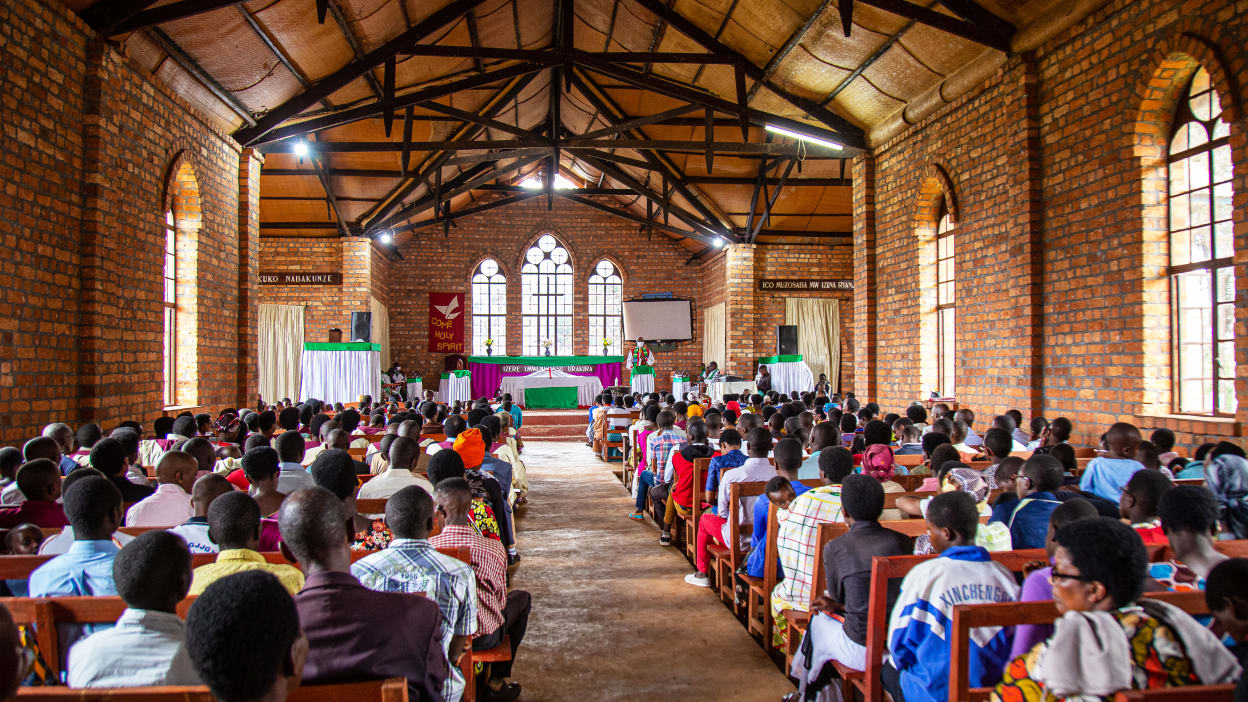
The church is not merely a building with stained glass and pews—it is a living, breathing organism woven into the very fabric of the community it serves. For centuries, the church has stood as a beacon of hope, a sanctuary of solace, and a catalyst for transformation. But what exactly is the role of the church in the community? Beyond Sunday services and hymnals, the church’s influence extends into the lives of individuals, the dynamics of neighborhoods, and the broader societal landscape. It is a place of spiritual nourishment, yes, but also a hub for compassion, education, and social justice. Whether through acts of service, fostering fellowship, or advocating for the marginalized, the church remains an indispensable force in shaping the moral and social landscape of the world around us.
The Church as a Spiritual Anchor: Nurturing Faith and Purpose
At its core, the church exists to cultivate a deeper relationship with the divine. It is a sanctuary where seekers find solace, believers find strength, and the weary find rest. The pulpit becomes a platform for truth, where sermons are not just speeches but lifelines for those navigating life’s storms. The church provides a space for worship, prayer, and reflection, offering a rhythm of life that counters the chaos of the modern world. It is where individuals are reminded of their inherent worth, where grace is extended freely, and where the sacred is made tangible through sacraments and fellowship. In a society often defined by materialism and fleeting distractions, the church stands as a countercultural oasis—a place where eternal truths are proclaimed and where the soul finds its true home.
Community Building: The Church as a Gathering Place
Beyond its spiritual mission, the church is a master architect of community. It transforms four walls into a living room where strangers become friends and acquaintances become family. Through small groups, Bible studies, and social events, the church fosters connections that transcend superficial interactions. It is where the lonely find companionship, where the grieving find comfort, and where the isolated find belonging. The church’s role in community building is not passive; it is intentional. It creates spaces where people can share their burdens, celebrate their joys, and grow together. In an era of digital isolation, the church’s physical and emotional presence is a rare and precious gift—a reminder that we are not meant to walk life’s journey alone.
Servant Leadership: The Church’s Call to Action
The church is not called to be a fortress of piety but a force of compassion. Its mission extends beyond the sanctuary walls into the streets, soup kitchens, and shelters where the need is greatest. Through outreach programs, the church addresses hunger, homelessness, and injustice, embodying the principle that faith without works is dead. Volunteers from the congregation serve meals, tutor children, and advocate for the oppressed, proving that love is not just a sentiment but an action. The church’s servant leadership is a testament to its belief that true worship is measured not by the volume of hymns sung but by the lives transformed through selfless service. It is a call to roll up sleeves, to get dirty, and to love fiercely—because the kingdom of heaven is not a distant dream but a present reality to be lived out daily.
Education and Discipleship: Shaping Minds and Hearts
The church is an academy of the soul, where minds are sharpened and hearts are softened. Through Sunday schools, youth groups, and adult education classes, it equips individuals with the tools to navigate life’s complexities. It teaches not just biblical literacy but critical thinking, ethical reasoning, and emotional resilience. The church’s role in education extends beyond the classroom; it is a lifelong journey of discipleship where individuals are challenged to grow, question, and evolve in their faith. It is where the curious find answers, where the doubtful find reassurance, and where the committed find deeper conviction. In a world of misinformation and moral ambiguity, the church stands as a beacon of wisdom, guiding its members toward truth and integrity.
Advocacy and Justice: The Church’s Prophetic Voice
The church is not silent in the face of injustice. It is a prophetic voice that echoes through the corridors of power, demanding equity, dignity, and mercy. Whether through sermons that challenge systemic oppression or partnerships with local organizations, the church advocates for the voiceless—the poor, the immigrant, the abused, and the forgotten. It preaches a gospel that is not just about personal salvation but about societal transformation. The church’s role in justice is not optional; it is woven into the very fabric of its mission. It calls out hypocrisy, confronts prejudice, and stands in solidarity with the marginalized. In doing so, it reminds the world that faith is not just about what happens after death but about how we live—and fight—for justice here and now.
Cultural Preservation: The Church as Keeper of Tradition
In an age of rapid change, the church preserves the treasures of the past while embracing the possibilities of the future. It safeguards traditions, hymns, and rituals that connect generations, ensuring that the stories of faith are not lost to time. The church is a living museum of culture, where art, music, and literature are celebrated as expressions of divine creativity. It is where ancient prayers meet modern struggles, where the wisdom of the ages informs the challenges of today. The church’s role in cultural preservation is not about nostalgia; it is about continuity. It ensures that the lessons of history are not forgotten and that the values that have sustained communities for centuries remain vibrant and relevant.
Healing and Restoration: The Church’s Embrace of Brokenness
The church is a hospital for the soul, where the broken are mended and the wounded are healed. It offers a safe space for those battling addiction, mental illness, or emotional trauma. Through counseling, support groups, and prayer, the church provides a lifeline for those drowning in despair. It is where the prodigal returns, where the addict finds sobriety, and where the grieving find hope. The church’s role in healing is not just about words; it is about presence. It sits with the suffering, weeps with the sorrowful, and celebrates with the joyful. In a world that often stigmatizes pain, the church offers unconditional love—a balm for the weary and a refuge for the broken.

