

Church mission trips have long been a crucible for personal metamorphosis, a place where faith is tested, deepened, and sometimes turned on its head. When a believer steps beyond the familiar walls of a sanctuary and into a foreign community, the encounter can reframe their understanding of God’s kingdom, of service, and of self. The promise held in those itineraries is not merely adventure; it is a promise of a perspective shift that can reverberate through every facet of life.
A Catalyst for Perspective Shift
At the heart of every mission trip lies a promise that challenges the traveler: to see the world through the eyes of the marginalized, to feel the pulse of cultures that speak in unfamiliar dialects, and to hear the quiet sighs of those longing for hope. This isn’t simply a change of scenery; it is a soteriological re‑orientation. The believer begins to recognize that God’s love is not confined to a single ZIP code, and that the gospel can be lived out in the language of hospitality, construction, education, and health care. The shift is both cognitive—altering how one conceptualizes “neighbor”—and affective, stirring compassion that no sermon can fully ignite.
Discerning the Right Opportunity
Choosing a mission trip is akin to selecting a doorway within a labyrinth; each path leads to a different rhythm of community life. Some trips are short‑term, lasting a week, designed for those who wish to dip a toe into missional praxis. Others stretch across months, demanding a deeper immersion and a willingness to surrender comfort for a sustained intercultural competency. The prospective participant should ask: Does this endeavor align with my spiritual gifts? Do the hosting churches share a vision of empowerment rather than paternalism? Does the itinerary allow room for reflection and integration? By prayerfully weighing these considerations, the seeker can find a journey that resonates both with personal passion and communal need.
Spiritual and Practical Preparation
Before a single footstep lands on foreign soil, the preparation phase becomes a crucible of faith itself. Spiritual preparation begins with an earnest posture of prayer, asking the Holy Spirit to illumine motives and to guard against the subtle allure of “heroic tourism.” Practical preparation involves fundraising strategies that are rooted in transparency—budget breakdowns, donor communications, and creative community‑building events. Additionally, participants often undergo training sessions that cover cultural etiquette, basic language phrases, safety protocols, and trauma‑informed care. This dual‑layered readiness ensures that the traveler steps onto the field equipped to serve effectively while remaining humble.
Embarking on the Journey: Life on the Ground
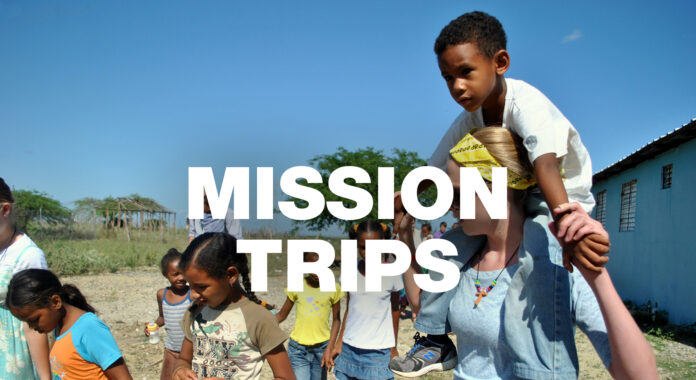
Arriving at the mission site is a sensory onslaught: the scent of spices mingling with incense, the rhythmic chant of morning prayers echoing from a neighboring mosque, the laughter of children playing amid dust‑caked streets. The image of students on a mission trip captures the raw energy of this encounter—a moment frozen in time when curiosity meets commitment. While the initial days may be disorienting, the rhythm of service gradually becomes the liturgy of daily life. Whether laying bricks for a community center, tutoring adolescents in mathematics, or assisting local health workers, each task serves as a conduit for relational bridge‑building.
Navigating Challenges and Celebrating Wins
The terrain of a mission trip is strewn with both boulders and blossoms. Language barriers can spark frustration, yet they often become the catalyst for inventive communication—hand gestures, drawings, shared laughter. Cultural misunderstandings may surface, prompting reflective dialogues that can correct misconceptions. Health concerns, limited resources, and unexpected weather can test resilience, but each trial can be reframed as an opportunity for dependence on divine providence. Conversely, the victories—seeing a child’s eyes light up after learning a new song, witnessing a water pump inauguration, or receiving heartfelt gratitude from a host family—offer tangible proof that love, when enacted, bears fruit.
Returning Home: Integration and Ongoing Impact
Re‑entry into one’s home culture can be as jarring as the departure. The returning traveler may feel a dissonance between the heightened awareness of global suffering and the mundane comforts of suburbia. Integration involves deliberate practices: debrief sessions with mentors, journaling, and participation in local outreach programs that extend the mission’s ethos. Moreover, alumni of mission trips often become advocates for policy changes, fundraisers for international NGOs, or simply more compassionate neighbors. The experience thus does not conclude at the airport; it morphs into a lifelong posture of missional living.
How to Get Involved: Step‑by‑Step Guide
For those ready to answer the call, the pathway can be distilled into a clear roadmap:
- Prayerful Inquiry: Begin by presenting the desire to serve before the Lord, inviting discernment.
- Research Opportunities: Explore church bulletins, denominational websites, and mission networks that list current projects.
- Connect with Leadership: Schedule a meeting with your pastor or mission coordinator to discuss interests, skills, and possible placements.
- Attend Orientation

