

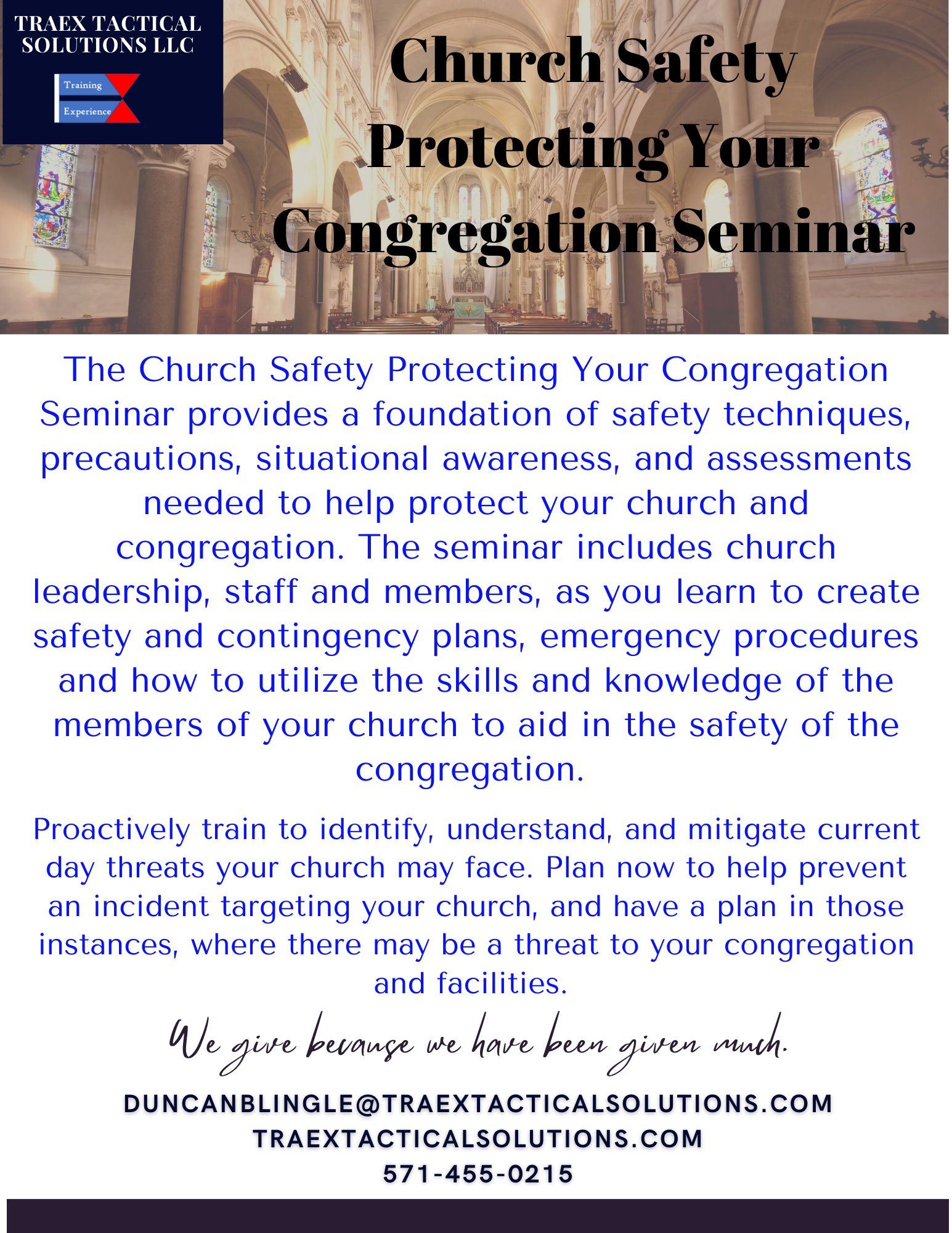
Within the quiet hush of a sanctuary, where prayers rise and hymns echo against stone walls, an unexpected tension can linger in the air. Modern congregations are increasingly aware that the act of gathering for worship carries an implicit responsibility: to safeguard the faithful, the vulnerable, and the sacred space itself. The need for thoughtful church security is no longer a peripheral concern but a central element of stewardship, intertwining compassion with vigilance.
Reading the Pulse of the Congregation
Observation reveals that many churches, regardless of size, experience a subtle but persistent unease. Unfamiliar faces appear more frequently; the rhythm of daily life spills over into the nave, and the occasional flash of a camera or a hurried step can spark a fleeting alarm. This common observation often masks a deeper fascination: societies are fascinated by the paradox of sacred spaces becoming theatres for potential conflict. The fascination fuels a desire to understand not just the threats, but the cultural and spiritual resonance that makes protecting a church so compelling.
The Societal Fascination with Sacred Guarding
There is an uncanny fascination with the concept of a bastion of faith standing against intrusion. The symbolism of a church—its steeples piercing the sky, its doors opening wide—evokes both invitation and fortification. Scholars note that the allure of church security stems from its intersection of communal identity, historic legacy, and the modern anxiety of public safety. The narrative of protecting a sanctuary mirrors larger societal narratives about resilience and the preservation of communal values.
Foundational Physical Protections
Before technology or training, the edifice itself must project deterrence. Thoughtful design can channel foot traffic, limit blind spots, and embed natural surveillance. Wide, well‑lit entryways, unobstructed sightlines, and the strategic placement of barriers such as planters or low walls serve dual purposes: they discourage casual trespass while maintaining an open, welcoming aesthetic. The term “architectural sentinel” captures this blend of aesthetic grace and protective intent.
The Human Element: Guardians of the Gate
Volunteers, ushers, and greeters form the first line of defense, their presence a living reassurance to attendees. Their training should go beyond mere greeting: situational awareness, de‑escalation tactics, and a calm, authoritative demeanor are essential. A well‑orchestrated welcome can deter opportunistic actors while preserving the spirit of hospitality. The language of “civic custodians” underscores their dual role as caretakers and protectors.
Technological Armament
Modern security systems provide a digital halo around the premises. High‑definition cameras with night‑vision, motion‑sensitive lighting, and cloud‑based monitoring allow real‑time observation from any location. Access‑control mechanisms—such as keycard entry for侧门 or mobile‑based visitor passes—ensure that only authorized individuals can venture deeper into the sanctuary. When integrated with a central command hub, these tools create a seamless shield, responsive yet unobtrusive.
Policy and Procedure: The Blueprint of Response
Clear, documented protocols translate intention into action. An emergency response plan should delineate lockdown procedures, evacuation routes, and points of contact with local law enforcement. A “code of conduct” for both staff and congregants establishes expectations, fostering a culture of mutual respect and shared responsibility. Regular review and updating of these documents ensure they remain relevant amid evolving threats.
Training and Drills: Cultivating Readiness
Theorizing security is insufficient; practice cements readiness. Quarterly drills—ranging from fire evacuation to active‑threat scenarios—embed muscle memory in participants. Role‑play exercises can simulate the psychological pressure of an intrusion, teaching volunteers how to remain composed and decisive. The cadence of repetition transforms anxiety into confidence, a vital shift for any guardian of a worship space.
Community Synergy: Partnerships Beyond the Pews
Security is not an island; it thrives on collaboration. Establishing a liaison with local police, fire departments, and neighboring businesses creates a network of mutual aid. Joint workshops on threat assessment, first‑aid, and communication strategies enhance the overall protective ecosystem. When the broader community feels invested in the safety of the church, the protective mantle expands beyond its walls.
Spiritual Dimension: Balancing Warmth and Watchfulness
A delicate equilibrium exists between the welcoming ethos of a church and the necessity of vigilance. Over‑militarized security can alienate worshippers, eroding the very openness the faith seeks to embody. The key lies in “gracious vigilance”: a posture that respects personal dignity while maintaining a watchful presence. Pastoral counseling on the theological roots of care can reinforce this balance, aligning security practices with the church’s mission of love and service.
Continuous Assessment: The Rhythm of Improvement
Security is a living system, subject to the ebbs and flows of circumstance. Periodic audits—combining internal inspections with external expert reviews—identify weaknesses and celebrate strengths. Feedback loops, wherein congregants and staff report concerns, feed a cycle of incremental enhancement. By treating security as an ongoing journey rather than a static solution, churches can adapt swiftly to emerging challenges.
Commitment to the Congregation’s Safety
In the end, the pursuit of church security is more than a checklist of measures; it is an expression of communal love and responsibility. When a congregation embraces protective practices, it affirms a belief that the sacred should be shielded

