

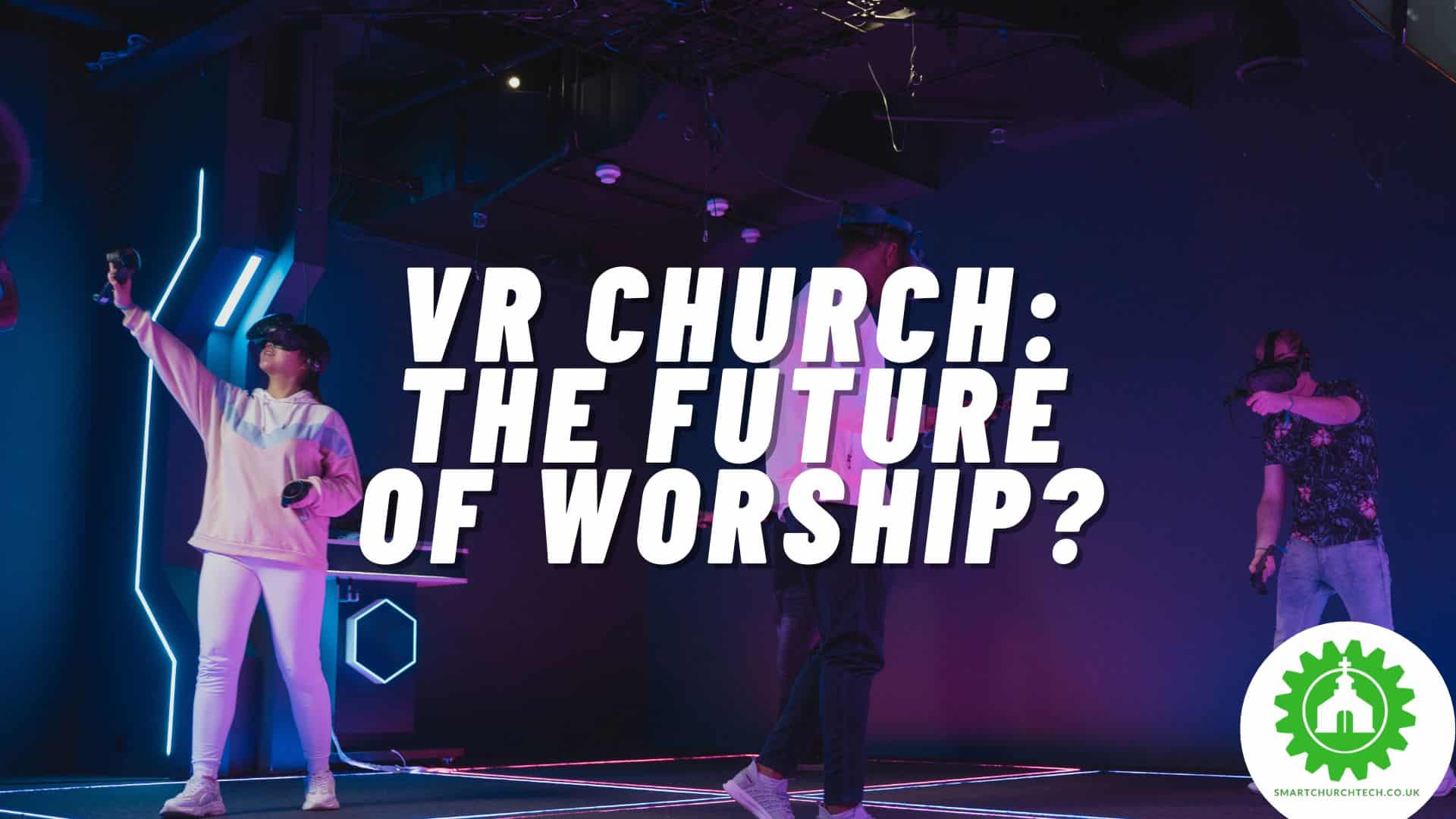
Imagine stepping into a sanctuary where the pews dissolve into starlight, where hymns are sung not by a choir in robes but by a chorus of digital voices harmonizing across continents, where the sermon isn’t delivered from a pulpit but unfolds like an immersive epic, tailored to the seeker’s soul. This is not the distant promise of some cybernetic utopia—it is the quiet revolution already unfolding in the intersection of faith and virtual reality. The church, an institution built on centuries of tradition, now stands at the threshold of a new dimension, where pixels and prayer intertwine to redefine what it means to worship. The future of worship is not coming. It is being streamed.
The Digital Sanctuary: Where Heaven Meets the Headset
In the beginning, there was the Word—and now, there is the pixel. The digital sanctuary is more than a livestream or a Zoom call; it is a fully realized, three-dimensional space where architecture transcends brick and mortar. Picture a Gothic cathedral rendered in crystalline clarity, its vaulted ceilings stretching into a simulated twilight, bathed in the glow of stained glass that tells the story of redemption not in static panels, but in interactive light. Worshippers don headsets and find themselves not as distant observers, but as pilgrims walking the aisles of a cathedral that exists only in code—yet feels more real than the sanctuary down the street. This is the power of presence without proximity. Distance collapses. Time zones blur. A believer in Tokyo kneels beside one in Toronto, their avatars bowing in unison beneath the same virtual vaulted sky. The church, once a local gathering, becomes a global communion—where geography is no longer a barrier, but a bridge.
Sacred Immersion: Worship as an Experience, Not an Event
Traditional worship is linear: sit, stand, sing, listen, leave. But in virtual reality, worship becomes a journey. The sermon is no longer a monologue from a pulpit, but an interactive narrative where the congregation can pause, reflect, and even influence the unfolding story. Imagine a sermon on the Exodus, where the Red Sea parts not on a screen, but around you, the water curling like liquid glass as you walk through on dry land. Or a worship set where the lyrics of a hymn rise from the floor in luminous text, lifting you into a chorus of light that swirls around your avatar like a celestial dance. This is sacramental immersion—where doctrine is not just heard, but felt, seen, and lived. The Holy Spirit, once invoked in silence, now moves through the very fabric of the digital realm, breathing life into pixels and turning pixels into prayer.
Yet immersion demands more than spectacle. It requires intention. The best VR worship experiences are not distractions from the sacred, but portals into it. They use the language of the medium—depth, perspective, interactivity—to draw the believer deeper into the mystery of God. A virtual baptism isn’t a video of water being poured; it’s a descent into a shimmering pool where the baptized emerges not just cleansed, but transformed, their avatar glowing with new light. This is not virtual reality. This is sacramental reality—where the symbols of faith become tangible, where the invisible becomes visible, and where the worshipper doesn’t just attend a service, but participates in a miracle.
The Global Parish: Breaking Walls, Building Bridges
For centuries, the church has been a local body. But in the age of VR, the parish becomes planetary. A small rural church in Kansas can now host a worship service that draws believers from Lagos to Lahore, each logging in from their living room, their office, or even a park bench. The barriers of language, culture, and denomination begin to dissolve. A Pentecostal believer in Brazil can pray alongside a Reformed believer in the Netherlands, their differences in theology momentarily suspended in the shared glow of a virtual altar. This is the democratization of worship—a world where the church is not defined by four walls, but by the hearts of those who gather within them, regardless of where those hearts reside.
Yet this global parish comes with challenges. How do we maintain unity when the body of Christ spans continents and cultures? How do we ensure that the digital gathering does not become a fleeting distraction, but a true communion? The answer lies in intentional design. VR worship must prioritize connection over convenience. It must foster small groups within the virtual space, where believers can break bread together in digital kitchens, study Scripture in immersive libraries, and serve one another through shared tasks in virtual gardens or orphanages. The global parish is not just a crowd—it is a family, bound not by geography, but by the Spirit.
The Ethical Labyrinth: Navigating the Shadows of the Digital Temple
Every revolution has its shadows, and the marriage of church and VR is no exception. The ethical labyrinth of virtual worship is vast and winding. Who controls the digital sanctuary? Can algorithms curate the spiritual journey, subtly shaping belief through data-driven personalization? What about those who cannot afford headsets or high-speed internet—are they excluded from the body of Christ in this new age? And what of the sacredness of the physical? Can a virtual Eucharist truly convey the mystery of Christ’s body and blood, or does it risk reducing the sacrament to a simulation?
These questions demand more than technical answers. They require theological reflection. The church must approach VR not as a tool to be wielded, but as a sacrament to be discerned. It must ask: Does this technology draw people closer to God, or does it merely offer the illusion of closeness? Does it foster genuine community, or does it create a hollow simulacrum of fellowship? The answers will not come from Silicon Valley, but from Jerusalem, from Antioch, from the quiet places where the Spirit has always moved. The church must walk this labyrinth with wisdom, ensuring that in its pursuit of innovation, it does not lose sight of the sacred.
The Future Unfolds: A New Chapter in the Story of God
The church has always been a storyteller. From the oral traditions of the Old Testament to the illuminated manuscripts of the Middle Ages, from the printed Bibles of the Reformation to the live-streamed sermons of today, the church has used the tools of its time to proclaim the gospel. Now, it stands at the dawn of a new chapter—one written not in ink or parchment, but in lines of code and pulses of light. Virtual reality is not the end of the church’s story. It is a new verse, a new melody in the grand symphony of faith.
Yet for all its promise, VR worship remains a supplement, not a replacement. The church is not a building, virtual or otherwise. It is a people. A body. A living, breathing organism knit together by the Spirit. Technology can enhance worship. It can expand its reach. It can even deepen its impact. But it cannot replace the mystery of gathering in person, of sharing bread and wine, of laying hands on one another in prayer. The future of worship is not a choice between the physical and the digital. It is a harmony of both—where the sanctuary in the cloud meets the sanctuary on the corner, where the global parish exists alongside the local church, and where the story of God continues to unfold in every dimension imaginable.
So put on your headset. Step into the light. The future is not waiting. It is worshiping.

