

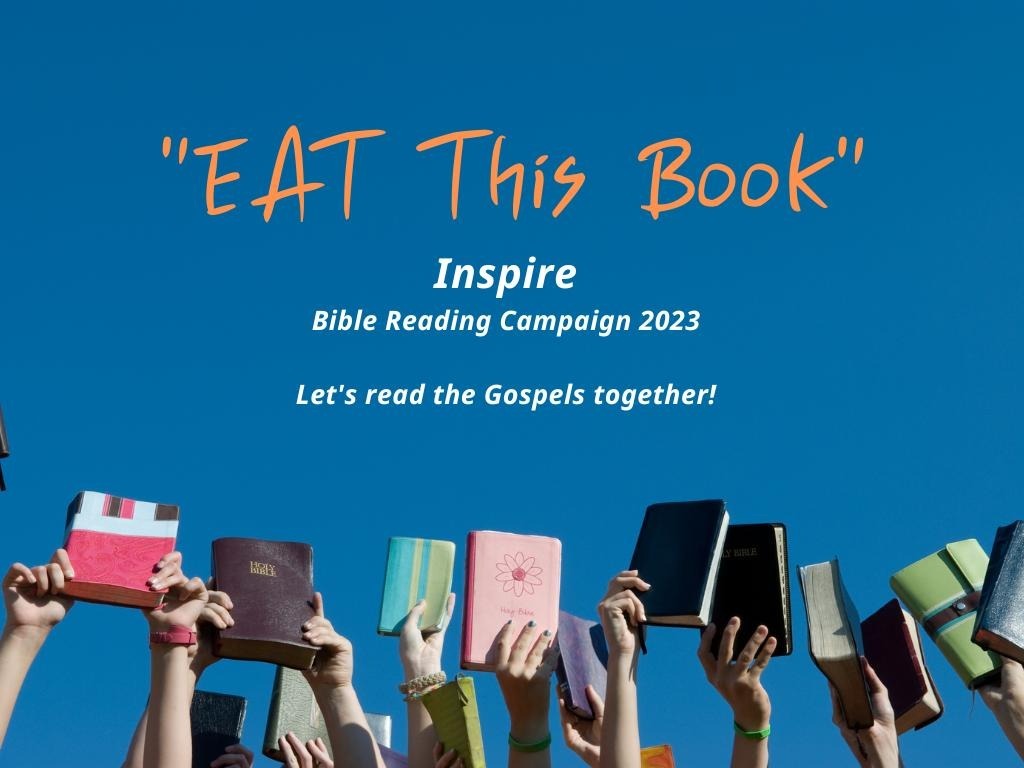
In the quietude of dawn, as the first light spills across the horizon, there exists a quiet revolution—one that stirs the soul and reshapes destinies. It is the whisper of a divine invitation, beckoning hearts to embark on a journey of discovery, transformation, and unity. Church Bible reading campaigns are not merely events; they are the lifeblood of spiritual renewal, the forge where vision is tempered, and the compass that guides communities toward a shared future. These campaigns are more than organized readings; they are the scaffolding upon which the church’s mission is built, the lens through which its purpose is clarified, and the catalyst for a future where faith is not just spoken but lived.
The Sacred Rhythm: Structured Bible Reading Plans
At the heart of every impactful Bible reading campaign lies a meticulously crafted plan—a rhythmic cadence that transforms sporadic reading into a disciplined pilgrimage. Structured plans, whether chronological, thematic, or book-by-book, serve as the backbone of these initiatives. They provide a roadmap, ensuring that participants traverse the vast landscapes of Scripture with intention and coherence. A chronological plan, for instance, unravels the tapestry of biblical history, allowing readers to witness the unfolding of God’s redemptive narrative in real time. Thematic plans, on the other hand, distill profound truths into digestible morsels, making complex doctrines accessible to the curious and the seasoned alike. Meanwhile, book-by-book studies invite deep dives into the nuances of individual texts, fostering a granular understanding that ignites both the mind and the spirit.
These plans are not static; they are living entities, evolving with the needs of the community. They adapt to the seasons of life, the spiritual maturity of participants, and the collective pulse of the congregation. Whether it’s a 90-day sprint through the Gospels or a year-long odyssey through the Psalms, the structure is designed to meet people where they are—whether they are seekers, skeptics, or steadfast believers. The goal is not just completion but transformation, where the Word becomes a mirror, revealing the contours of one’s heart and a window, offering glimpses of the divine.
Narrative Alchemy: Transforming Scripture into Stories
Bible reading campaigns are not just about reading; they are about experiencing the Word. This is where narrative alchemy comes into play—a process of transmuting ancient texts into vivid, relatable stories that resonate with modern audiences. Imagine a campaign where the Exodus narrative is not just read but lived through immersive storytelling sessions, where participants are transported to the banks of the Red Sea, feeling the weight of Pharaoh’s chariots and the breath of God’s deliverance. Or consider a study on the parables of Jesus, where each story is dramatized, allowing listeners to step into the sandals of the prodigal son, the Good Samaritan, or the persistent widow.
This approach leverages the power of storytelling to bridge the chasm between antiquity and today. It transforms abstract doctrines into tangible encounters, where the struggles of biblical characters mirror the struggles of contemporary believers. By framing Scripture as a grand narrative—one with heroes, villains, twists, and triumphs—campaigns awaken the imagination and stir the emotions. They make the Word not just a book to be studied but a story to be inhabited, a legacy to be passed down. In doing so, they cultivate a culture where Scripture is not merely revered but relished, where its truths are not just known but felt.
Interactive Sanctuaries: Engaging Communities in Dialogue
A Bible reading campaign without dialogue is like a symphony without an audience—beautiful in theory, but lacking the resonance of shared experience. Interactive sanctuaries are the forums where Scripture meets conversation, where the solitary act of reading becomes a communal act of discovery. These spaces can take many forms: small group discussions where participants wrestle with tough questions, panel forums where theologians and laypeople alike explore the implications of a passage, or even digital platforms where global conversations unfold in real time. The key is to create environments where curiosity is nurtured, doubts are aired, and insights are exchanged without judgment.
Consider the power of a “Texts in Context” series, where historical and cultural backdrops are illuminated before diving into a passage. Suddenly, the Sermon on the Mount is not just a collection of sayings but a radical manifesto for a countercultural kingdom. Or a “Questions Welcome” night, where no query is too trivial or too profound, and the group collectively seeks answers in the text. These interactions do more than deepen understanding; they foster belonging. They remind participants that they are not alone in their spiritual journey, that their questions matter, and that their insights have value. In this way, interactive sanctuaries become the crucibles where faith is refined and community is forged.
Digital Pilgrimages: Harnessing Technology for Global Impact
The digital age has democratized access to Scripture, turning smartphones and tablets into portable pulpits and global forums. Bible reading campaigns that leverage technology can transcend geographical boundaries, uniting believers from Tokyo to Toronto in a shared pursuit of divine truth. Digital pilgrimages take many shapes: live-streamed devotionals that accompany daily readings, interactive apps that track progress and offer reflections, or even gamified challenges that reward consistency and engagement. Social media becomes a canvas for sharing insights, where a single verse can spark a thousand conversations across continents.
Yet, technology is not without its pitfalls. The challenge lies in using digital tools to enhance rather than distract from the sacred. The most effective campaigns strike a balance—curating content that is rich in substance, designing platforms that are intuitive and inviting, and fostering environments where screen time gives way to soul time. A well-designed app, for example, might include a “pause and pray” feature that interrupts reading to invite reflection, or a “community prayer wall” where requests are shared and lifted up in real time. The goal is to create a seamless fusion of the ancient and the modern, where the Word is as accessible as it is authoritative.
Legacy Builders: Equipping the Next Generation
A vision cast in isolation is a vision doomed to fade. The true measure of a Bible reading campaign’s success is not in the number of participants or the completion rates, but in the ripple effects it generates across generations. Legacy builders are those who ensure that the fire of Scripture does not flicker out but is passed from one generation to the next. This begins with equipping parents to lead family devotions, where the rhythms of Scripture reading become as natural as bedtime stories. It extends to youth programs that make the Bible relevant to teenagers, using multimedia, art, and interactive challenges to engage young minds.
Consider a campaign where grandparents and grandchildren read the same passage each week, then share their insights in a video call. The older generation imparts wisdom gleaned from decades of walking with God, while the younger offers fresh perspectives that challenge long-held assumptions. Or a “Scripture in Song” initiative, where hymns and modern worship anthems are tied to weekly readings, creating a soundtrack for the spiritual journey. These efforts ensure that the Word is not just a relic of the past but a living, breathing force that shapes the future.
Vision Casting: From Campaigns to Cultural Renewal
The ultimate aim of a Bible reading campaign is not merely to increase biblical literacy but to catalyze cultural renewal—a transformation where the values of the kingdom of God permeate every sphere of life. This is where vision casting becomes an art form. It is the art of painting a picture of what could be: a community where Scripture informs decisions at the dinner table, in the boardroom, and in the voting booth; where the marginalized are uplifted because the church has internalized the call to justice; where the lonely find solace because the Word has taught the church to love sacrificially.
This vision is not abstract; it is incarnational. It is seen in the church that opens its doors to refugees, having been moved by the story of the Good Samaritan. It is heard in the sermons that echo the prophets’ cries for the oppressed, having been steeped in the prophetic texts. It is lived out in the lives of believers who, having encountered the Word, cannot help but become ambassadors of reconciliation in a fractured world. The campaign, then, is not the end but the beginning—a spark that ignites a wildfire of kingdom values, spreading from the pews to the public square.

