

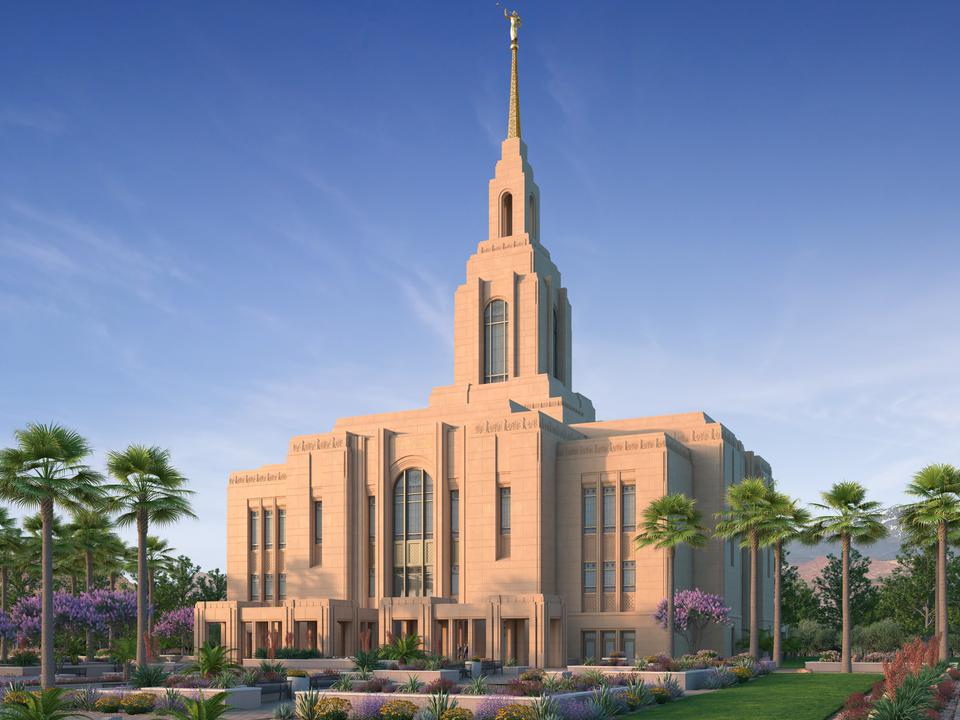
The air hums with anticipation as the first ceremonial shovelfuls of earth are turned. Not merely the birth of brick and mortar, but the unfolding of a divine promise etched into the fabric of time. When a church announces groundbreakings for new temples, it is not just an architectural milestone—it is a cosmic echo, a fulfillment of ancient covenants whispered across millennia. These sacred sites are not built by human hands alone; they are raised by faith, foretold in prophecy, and destined to become beacons of spiritual awakening. To witness such an event is to stand at the threshold of a sacred narrative, one that stretches from the dust of Eden to the shores of the New Jerusalem. It is a moment when heaven and earth converge, and the promises of God take tangible form.
The Prophetic Echo: Temples as Living Oracles
Temples have always been more than structures—they are living oracles, vessels of divine revelation. From the Tabernacle in the wilderness, where God’s presence dwelt among His people, to Solomon’s Temple, where wisdom and worship intertwined, these sanctuaries have served as portals between the temporal and the eternal. The groundbreaking of a new temple is not a random event; it is a fulfillment of a prophetic cadence, a note in the grand symphony of redemption. When Isaiah declared, “My house shall be called a house of prayer for all peoples,” he was not merely describing architecture—he was foretelling a future where the divine and the human would once again commune in sacred space. Each new temple is a step toward that promised reunion, a tangible sign that God’s covenant with His people remains unbroken.
Consider the symbolism embedded in the very act of breaking ground. The earth, once cursed by the Fall, is now being reclaimed—not through conquest, but through consecration. The shovel that pierces the soil is not just a tool; it is a declaration that the wilderness is being transformed into a garden of worship. The stones that will rise from the earth are not inert—they are witnesses, bearing silent testimony to the promises of God. This is why groundbreakings resonate so deeply: they are not just the beginning of a building project, but the continuation of a story that began in the Garden and will culminate in the New Jerusalem, where every tear will be wiped away, and every promise fulfilled.
The Covenant Thread: From Abraham to the Latter Days
The lineage of temple-building is not a mere historical footnote—it is a covenant thread woven through the tapestry of time. When God called Abraham and promised him that his descendants would be as numerous as the stars, He was not just speaking of physical posterity. He was laying the foundation for a spiritual legacy, one that would culminate in the temple, where heaven and earth would meet. The covenant with Abraham was not merely about land or lineage; it was about a people set apart to bear witness to the divine. The temple, then, is the physical manifestation of that covenant—a place where the promises made to Abraham, Isaac, and Jacob are remembered, renewed, and realized.
In the latter days, as the world grows darker and the shadows of uncertainty lengthen, the groundbreaking of new temples is a clarion call. It is a reminder that God’s covenants are not relics of the past but living, breathing realities. The temple is the place where the promises of Abraham—blessing to all nations—are actualized. It is where the scattered children of God are gathered, where the lost are found, and where the weary are refreshed. Each new temple is a beacon, a light in the darkness, signaling that the covenant made with Abraham is still in force, still unfolding, still reaching toward its ultimate fulfillment.
The Architectural Alchemy: Transforming the Mundane into the Sacred
To build a temple is to engage in an act of sacred alchemy—to take the ordinary materials of the earth—stone, wood, glass—and transmute them into vessels of the divine. The groundbreaking is the first step in this transformation, where the raw, unrefined elements of creation are set apart for a holy purpose. The stones, once buried in the earth, will rise as pillars of faith. The wood, once part of a silent forest, will become the framework of a sanctuary where angels ascend and descend. The glass, once a mere barrier, will become a window through which the light of heaven shines.
This alchemy is not confined to the physical structure. It extends to the lives of those who will worship there. The temple is not just a building; it is a school of the spirit, a place where the soul is refined and the heart is purified. The groundbreaking is a call to transformation—not just for the building, but for the people who will gather within its walls. It is an invitation to leave behind the weight of the world and enter a space where time itself is suspended, where the cares of the day dissolve in the presence of the eternal. The temple is where the mundane is made sacred, where the ordinary is infused with the extraordinary, and where the promises of God become a living reality.
The Global Resonance: A Unified Voice in a Fragmented World
In an era where division and discord seem to dominate the landscape, the groundbreaking of new temples is a unifying force. It is a declaration that despite the fractures of the world, there remains a people who are bound together by a shared covenant, a shared hope, and a shared destiny. Temples are not built in isolation; they are part of a global network, a constellation of sacred spaces where the faithful from every nation, tongue, and tribe can gather in unity.
The announcement of groundbreakings in distant lands is not just a local event—it is a global symphony. It is the sound of a people who, despite their differences, are united in their pursuit of the divine. It is a reminder that the promises of God are not limited by geography or culture, but are meant to echo across the earth. Each new temple is a thread in a tapestry that spans continents, connecting the faithful in a shared journey toward the celestial city. In a world that often feels fragmented, the temple is a symbol of unity—a place where all are welcome, all are invited, and all are one in Christ.
The Eschatological Horizon: Temples and the End of Days
There is a profound eschatological significance to the groundbreaking of new temples. In the grand narrative of redemption, temples are not merely historical artifacts; they are prophetic signposts pointing toward the consummation of all things. The temple is where the promises of the past meet the hopes of the future, where the firstfruits of the kingdom are tasted, and where the faithful are prepared for the day when every knee shall bow and every tongue confess that Jesus is Lord.
The construction of new temples is a tangible sign that the work of God is not yet finished. It is a declaration that the kingdom of God is still advancing, still breaking forth in new places, still gathering in the faithful. Each groundbreaking is a step toward the day when the Lord will dwell with His people, when the New Jerusalem will descend from heaven, and when the temple will no longer be a building, but the very presence of God among His people. Until that day, the temples that rise from the earth are beacons of hope, reminders that the story is still unfolding, and that the promises of God are as sure as the rising sun.
The Personal Invitation: A Call to Sacred Participation
Yet, the groundbreaking of a temple is not merely an event to be observed from afar—it is an invitation to personal participation. The temple is not just a place where the faithful gather; it is a place where each individual is called to ascend, to seek, and to find. The promises made to Abraham, the covenants sealed in ancient temples, the prophecies fulfilled in the latter days—all of these are not distant realities but intimate invitations. The groundbreaking is a call to each person to examine their own heart, to consider their own covenant relationship with God, and to ask: Am I ready to enter the sacred space where heaven and earth meet?
The temple is not a monument to be admired from a distance; it is a doorway to be entered, a journey to be undertaken. The groundbreaking is the first step in a process that will culminate in a personal encounter with the divine. It is an opportunity to leave behind the distractions of the world and to enter a space where time is suspended, where the cares of the day are laid aside, and where the soul is nourished. The temple is where the promises of God become personal, where the covenants of the past are renewed in the present, and where the faithful are prepared for the future.
The groundbreaking of a new temple is more than an event—it is a revelation. It is a glimpse into the heart of God, a reminder of His faithfulness, and a promise of what is to come. As the shovels dig into the earth and the first stones are laid, we are witnessing not just the beginning of a building, but the continuation of a story that began in Eden and will culminate in the New Jerusalem. It is a story of hope, of covenant, of transformation, and of divine promise. And it is a story in which each of us is invited to play a part.

