

In the quiet hum of pews and the flicker of candlelight, a quiet revolution often begins—not with fanfare, but with the turning of a page. Churches across the globe have discovered that the most profound spiritual growth doesn’t always roar; sometimes, it whispers through the disciplined rhythm of daily Scripture reading. Yet, despite the undeniable power of God’s Word, many congregations struggle to ignite a collective hunger for it. Why do some Bible reading plans flourish like well-tended gardens while others wither like untended fields? The answer lies not in the plan itself, but in the careful cultivation of a campaign that speaks to the heart’s deepest longings.
The Silent Hunger: Why Churches Struggle to Sustain Bible Engagement
Every Sunday, pastors exhort their flocks to dive deeper into Scripture, only to watch enthusiasm wane by Wednesday. The phenomenon isn’t new—it’s a centuries-old tension between inspiration and follow-through. The deeper reason? Many campaigns treat Bible reading as a checkbox exercise rather than a transformative encounter. When the plan feels like a duty rather than a dialogue, the soul retreats. The key lies in recognizing that people don’t just want to read the Bible; they want to *feel* its pulse in their daily lives. A campaign must bridge the chasm between sacred text and lived experience, turning abstract verses into tangible encounters with the Divine.
Laying the Foundation: Clarity Before Creativity
A campaign without a clear purpose is like a ship without a rudder. Before designing schedules or selecting themes, define the *why*. Is the goal to deepen intimacy with God, foster unity in the body, or equip believers for evangelism? Each objective demands a different approach. For instance, a unity-focused campaign might pair readings with shared reflection questions, while an evangelism-driven plan could incorporate Scripture memorization tied to outreach opportunities. Clarity isn’t just about vision—it’s about ensuring every element of the campaign serves a singular, compelling narrative. Without this, even the most creative plan risks becoming a hollow exercise in activity.
The Art of the Hook: Crafting a Compelling Invitation
People don’t commit to what doesn’t captivate them. A Bible reading campaign must begin with a hook that seizes attention and stirs curiosity. This isn’t about gimmicks but about framing Scripture in a way that resonates with contemporary longings. For example, a plan titled “40 Days of Divine Whispers” positions reading as an intimate conversation with God, not a chore. Or consider “The Jesus Lens,” which invites participants to see their daily lives through the filter of Christ’s teachings. The hook must feel personal, not prescriptive—like an invitation to a feast rather than a lecture. When the campaign’s language mirrors the heart’s language, engagement follows naturally.
Designing the Journey: Structure That Serves the Soul
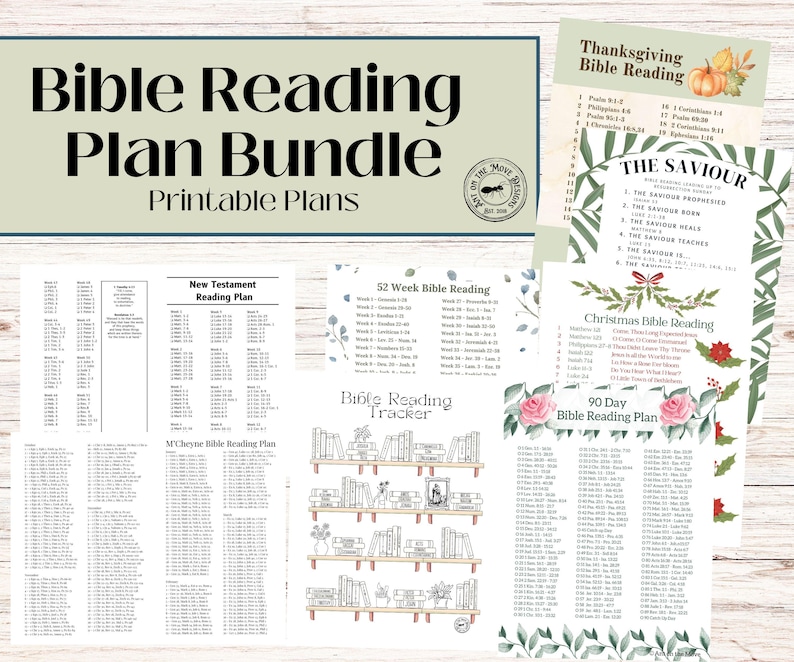
A well-structured campaign is like a river—it flows with purpose but adapts to the terrain. Start with a kickoff event that’s more than a pep talk; make it an immersive experience. Imagine a worship night where Scripture is read dramatically, followed by small-group discussions that unpack its relevance. Then, design the reading plan itself with intentionality. A 90-day chronological plan works for those craving context, while a thematic approach suits those seeking practical application. Include milestones—like a mid-campaign celebration or a “Scripture feast” where families share their favorite verses—to maintain momentum. The structure should feel like scaffolding, not shackles; it guides without suffocating.
Technology as a Bridge: Leveraging Tools Without Losing the Human Touch
In an age of digital noise, technology can either amplify or drown out the message. A campaign must harness tools wisely—apps for reminders, social media for encouragement, and digital devotionals for accessibility—but never at the expense of human connection. For instance, a private Facebook group can foster accountability, but it shouldn’t replace face-to-face gatherings. Consider a hybrid model: weekly in-person check-ins paired with daily digital nudges. The goal is to meet people where they are, technologically and spiritually, without letting pixels replace presence. When used thoughtfully, technology becomes a bridge, not a barrier.
Cultivating the Soil: Nurturing Participation Beyond the Plan
A campaign’s success hinges on what happens *between* the readings. This is where the deeper work occurs. Train small-group leaders to facilitate discussions that dig beneath the surface, asking questions like, “Where did this passage challenge you?” or “How might God be inviting you to respond?” Encourage participants to journal, not just read—writing creates space for the Holy Spirit to speak. Additionally, invite testimonies. Nothing fuels momentum like hearing how Scripture has transformed a life. Whether through video clips or live sharing, stories remind people that they’re part of something bigger than themselves. The campaign isn’t just about completing a plan; it’s about cultivating a hunger that outlasts the calendar.
Overcoming the Plateau: Sustaining Momentum When the Spark Fades
Every campaign hits a lull—usually around the third week. This isn’t a sign of failure but a natural phase. The key is to anticipate it and pivot. Introduce a “reset” week where the focus shifts from quantity to quality—perhaps a day of silence, a guided prayer walk, or a service project tied to the week’s theme. Alternatively, inject variety: swap a traditional reading for a podcast, a hymn for a modern worship song, or a solo study for a group challenge. The goal is to reignite curiosity without abandoning the core. Remember, spiritual growth isn’t linear; it’s cyclical. The plateau is just the calm before the next surge of revelation.
Measuring What Matters: Beyond Numbers to Transformation
It’s tempting to gauge success by attendance or completion rates, but these metrics often miss the mark. True success is measured in changed lives—stories of reconciliation, renewed purpose, or deeper prayer. Create space for participants to reflect on their journey. A simple survey asking, “What did God reveal to you this week?” can yield more insight than a spreadsheet. Additionally, track qualitative markers: Are small groups growing? Are people sharing Scripture outside church walls? Are volunteers emerging to lead future campaigns? The numbers tell part of the story, but the soul’s transformation tells the rest.
The Ripple Effect: How One Campaign Can Reshape a Church
The most powerful campaigns don’t just change individuals; they transform communities. When a congregation collectively engages with Scripture, it fosters unity, deepens empathy, and ignites a shared passion for mission. Suddenly, the church isn’t just a building but a family on a journey. The ripple effect extends beyond Sunday mornings—parents disciple children, neighbors share verses, and skeptics witness the tangible impact of God’s Word. This is the campaign’s ultimate goal: not just to read the Bible, but to become a people who *live* it.

