

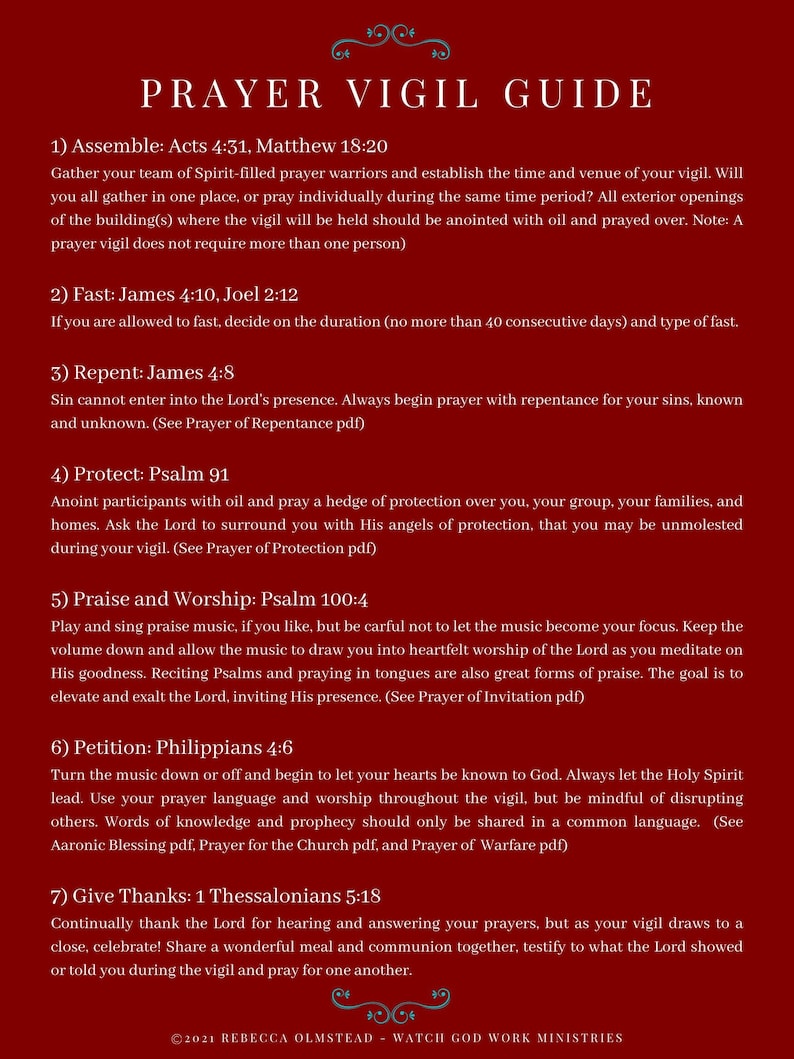
Imagine a sanctuary where the whisper of prayer never dies, where every heartbeat matches a hymn, and where the faithful gather not just for an hour, but for an entire day and night. What if your congregation could sustain that unceasing flame of intercession, turning a singular moment into a living, breathing marathon of devotion? This vision, while exhilarating, carries a delicate challenge: keeping volunteers engaged, logistics humming, and the spiritual rhythm from faltering under the weight of time.
Vision and Purpose
Before rolling out a schedule, articulate the core intention behind a 24/7 prayer vigil. Is the goal to seek divine guidance for a community crisis, to celebrate a milestone, or to foster deeper personal communion? A clear purpose acts as a north star, aligning every participant’s heart and ensuring that each prayer slot feels purposeful rather than perfunctory. By embedding the vigil within the broader narrative of the church’s mission, you invite members to see themselves as co‑architects of a sacred endeavor.
Strategic Planning: Defining Objectives
Translate the vision into concrete objectives. Decide whether the vigil will prioritize silent contemplation, guided worship, or a blend of both. Outline key metrics: number of participants per hour, desired atmosphere, and specific prayer topics such as healing, unity, or outreach. These targets become the scaffolding on which logistical decisions rest, allowing you to measure success and make adjustments mid‑event.
Logistics: Space, Scheduling, and Rotation
A successful round‑the‑clock vigil hinges on a well‑orchestrated logistical matrix. Select a central, comfortable space that can accommodate both intimate prayer circles and larger gathering points. Design a rotation schedule that breaks the day into manageable shifts—typically two‑hour blocks—ensuring no individual bears the burden of continuous prayer. Incorporate a “floating” coordinator who can troubleshoot issues as they arise, from temperature control to technology hiccups. Using a shared digital calendar, such as Google Sheets or a church app, keeps volunteers informed of upcoming slots and any last‑minute swaps.
Recruitment: Mobilizing Intercessors
The heart of any vigil is its intercessors. Begin by casting a wide net: announce the initiative during services, publish sign‑up sheets at the welcome desk, and promote via email and social media. Offer a brief orientation session that outlines expectations, prayer guidelines, and the spiritual significance of each shift. Encourage seasoned pray‑ers to mentor newcomers, fostering a sense of mentorship and community. By assigning each shift a “lead intercessor,” you create accountability and a point of contact for prayerful concerns.
Liturgical Rhythm: Worship, Scripture, and Silence
To sustain an unbroken chain of prayer, weave a liturgical cadence that balances structured worship with contemplative silence. Rotate between short devotional readings, communal hymns, responsive Psalms, and periods of quiet intercession. Incorporate periodic “prayer bursts”—brief, energetic bursts of spoken prayer led by rotating leaders—to reignite energy. Consider employing ambient soundscapes, such as gentle piano or nature recordings, to maintain a soothing atmosphere during night hours. This rhythmic variety prevents monotony while honoring the solemnity of continuous prayer.
Communication: Invitations, Reminders, and Updates
Clear communication is the lifeline of a 24/7 vigil. Draft an invitation that conveys the spiritual urgency, includes a call‑to‑action for sign‑ups, and highlights the communal impact. Send regular reminders—one week prior, one day prior, and the morning of each shift—using both email newsletters and text alerts. Throughout the vigil, dispatch brief “mid‑vigil reflections,” sharing testimonies, answered prayers, or inspiring quotes to keep morale high. Visual cues, such as a vigil board in the church lobby displaying the current prayer focus and participant names,

